Health
US Pollen Counts Climb, Sparking Early Allergy Season
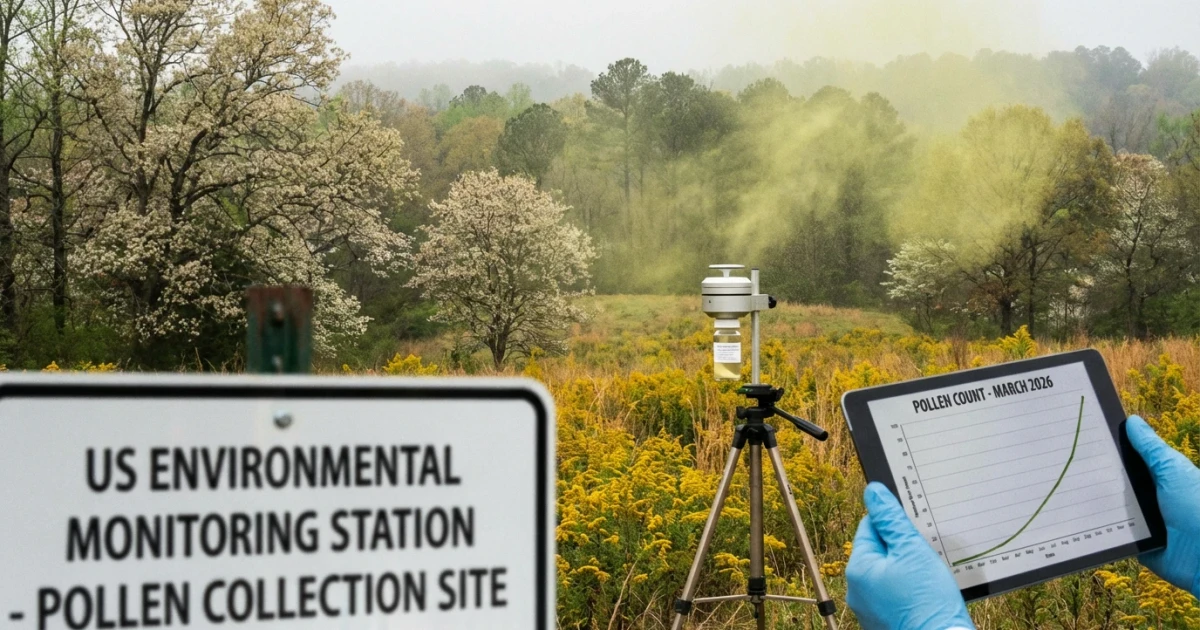
Pollen counts are climbing across the United States, triggering earlier and more intense allergy seasons that are being felt from Colorado Springs to the coasts. As spring arrives, millions of Americans are noticing symptoms sooner, with experts linking this trend to climate shifts and environmental changes.
Early Allergy Season Hits Multiple Regions
Reports from USA Today highlight that allergy sufferers in Colorado Springs are experiencing symptoms weeks earlier than usual, mirroring patterns seen in other cities. According to current pollen forecasts, elevated counts are prevalent throughout the Midwest and South, with ragweed, tree, and grass pollen all contributing to the uptick.
- Colorado Springs and parts of Texas have reported earlier surges in pollen this year, as noted by local health officials.
- Major metropolitan areas like Atlanta, Dallas, and New York are also seeing an increase in allergy-related doctor visits as pollen levels spike.
Why Pollen Counts Are Rising
Research summarized by the Asthma and Allergy Foundation of America and the CDC points to a combination of climate change and urban development as drivers of increasing pollen counts. Warmer temperatures and longer growing seasons allow plants to produce pollen for more weeks each year. The NOAA National Climate Data shows that average US temperatures have increased, especially over the last few decades, supporting a longer pollen season.
- A peer-reviewed study found that pollen seasons in North America are starting 20 days earlier and lasting 10 days longer, on average, compared to the 1990s.
- Urban landscaping and the spread of certain tree species have also contributed to higher localized pollen counts.
Health Impacts and Rankings
The rise in pollen counts is more than a nuisance—it contributes to a growing public health concern. The CDC tracks increases in allergy-related emergency room visits and missed school days during peak pollen periods. The Asthma and Allergy Foundation of America’s "Allergy Capitals" report regularly ranks US cities by allergy challenges, noting that cities like Wichita and Dallas consistently top the list due to high pollen levels and allergy prevalence.
- Over 24 million people in the US are estimated to suffer from seasonal allergies, with symptoms including sneezing, congestion, and itchy eyes.
- Children and older adults are especially vulnerable to complications from high pollen exposure, including asthma exacerbations.
How to Prepare and Protect Yourself
Experts recommend several strategies for managing allergy symptoms as the season intensifies:
- Check daily pollen forecasts and limit outdoor activities during peak hours.
- Keep windows closed and use HEPA filters indoors to reduce pollen infiltration, as advised by the EPA.
- Shower and change clothes after spending time outside to remove pollen from skin and hair.
- Consult with healthcare providers about allergy medications or immunotherapy if symptoms persist.
Looking Ahead
As the US continues to experience rising pollen counts and earlier allergy seasons, experts caution that these trends may intensify unless broader environmental and climate factors are addressed. In the meantime, staying informed and proactive remains the best defense for the nation’s allergy sufferers.