US News
U.S. population growth slows as births fall and aging accelerates

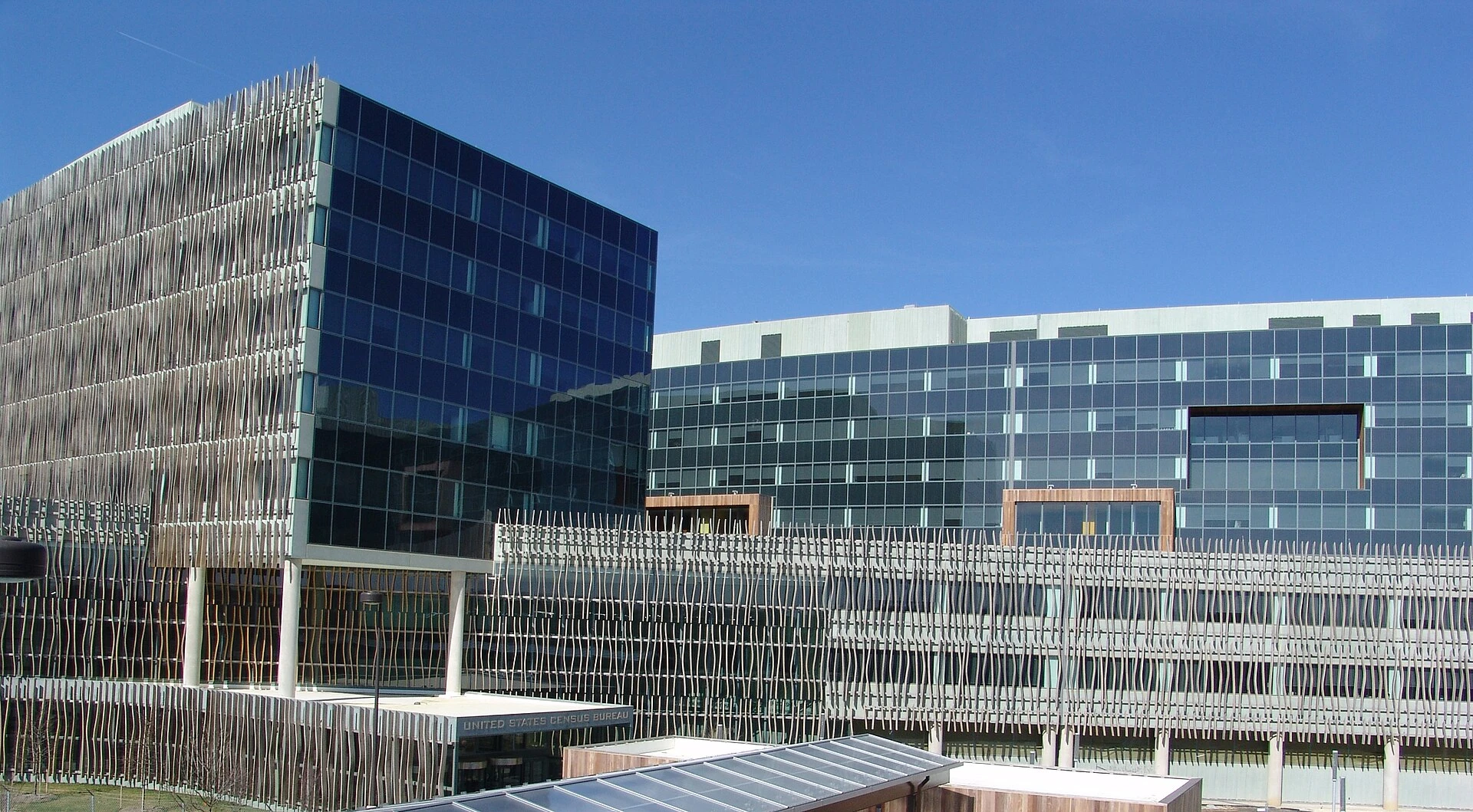
The United States added only 1.8 million people, or 0.5%, between July 1, 2024 and July 1, 2025, and the Census Bureau said that was the slowest growth since the early COVID-19 period. Growth slowed in 310 of 387 metro areas, a sign that the national slowdown is not just a headline number but a shift reaching cities, suburbs and fast-growing counties that had been built for expansion.
The birth numbers explain much of the pressure. The Centers for Disease Control and Prevention said the United States recorded 3,628,934 births in 2024, up 1% from 2023, but the general fertility rate still slipped to 53.8 births per 1,000 females ages 15 to 44. Provisional 2025 data point the other way again, with births falling to 3,606,400 and the fertility rate easing to 53.1. Pew Research Center said the total fertility rate reached 1.60 in 2024, far below replacement level.
At the same time, the country is getting older. The Census Bureau said the median age rose from 39.2 in 2024 to 39.4 in 2025. That small change carries large consequences because the age structure now points toward fewer workers supporting more retirees. In January 2025, the Congressional Budget Office projected that the U.S. population would rise from 350 million in 2025 to 372 million in 2055, but annual deaths would exceed annual births beginning in 2033, leaving net immigration as the only source of growth. By September 2025, the CBO had lowered its estimates of net immigration and fertility, and said long-run population growth would be slower than it had projected earlier in the year.
The policy challenge is no longer only how fast America can grow, but how well its institutions can adapt if growth stalls or turns negative. School districts that planned for larger enrollments, housing markets that depended on steady household formation, and employers counting on a broad labor pool will all feel the change first. Brookings researchers Wendy Edelberg, Stan Veuger and Tara Watson have argued that recent immigration declines are already affecting population growth and labor supply. That same demographic squeeze also reaches local tax bases, since slower growth means fewer new taxpayers, more pressure on property levies, and a heavier burden on Social Security and Medicare as the population ages.
Sources
- [1]nytimes.com
- [2]census.gov
- [3]cdc.gov
- [4]cbo.gov
- [5]brookings.edu
- [6]pewresearch.org