Politics
U.S. population growth slows as immigration decline deepens amid deportations
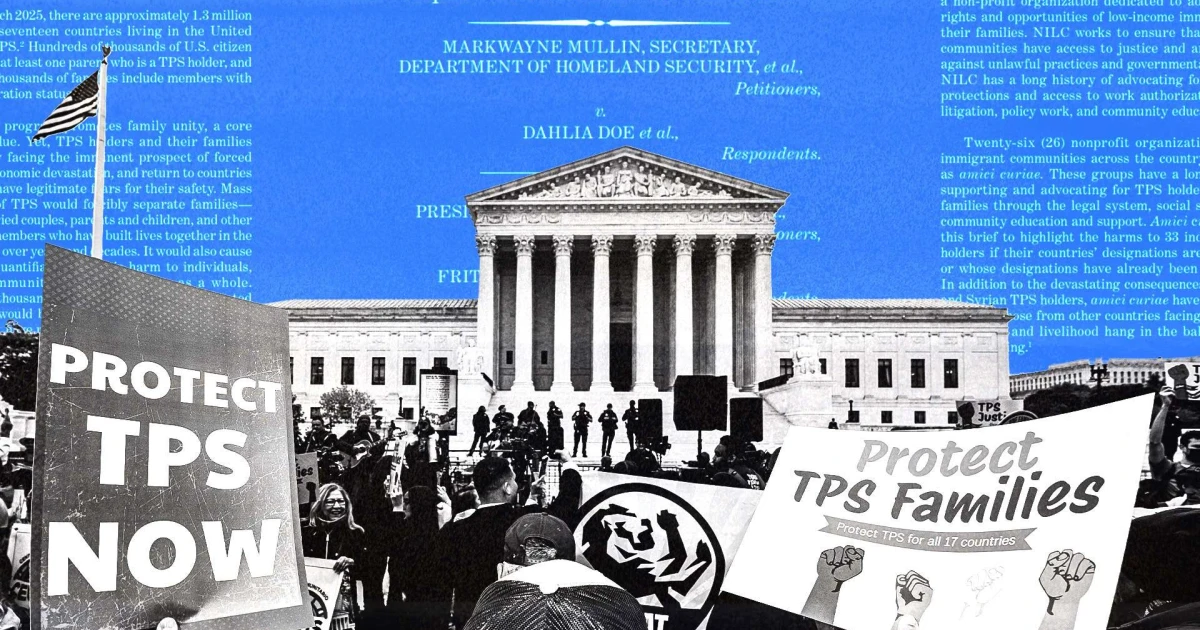
The Supreme Court on June 25 cleared the Trump administration to end Temporary Protected Status for migrants from Haiti and Syria, exposing about 350,000 Haitians and about 7,000 Syrians to deportation risk. That ruling lands as the country is already growing more slowly, with Census Bureau data showing U.S. population growth slowed to 0.5% between July 1, 2024, and July 1, 2025. The bureau said the slowdown came from weaker net international migration, which fell in every state, the District of Columbia and 90% of the nation’s 3,144 counties.
The foreign-born population had already started to contract before the ruling. Pew Research Center said the immigrant population stood at 51.9 million in June 2025, down from 53.3 million in January, the first decline in decades. That shift came as the Trump administration moved to end TPS protections for about 1 million immigrants from 13 countries since the start of his second term, expanding the number of people who could be removed from the country.
The demographic stakes are larger than one court order. In its 2026 outlook, the Congressional Budget Office projects that annual deaths will exceed annual births starting in 2030, with net immigration accounting for all population growth. It sees the population rising from 349 million in 2026 to 364 million in 2056, even as the average age rises. That leaves immigration as the main buffer against a faster aging of the country’s population and a smaller pool of working-age adults.

Brookings researchers Wendy Edelberg, Stan Veuger and Tara Watson said in January 2026 that entries into the United States dropped sharply in 2025 compared with 2024, while enforcement activity increased removals and voluntary departures. They warned that lower immigration can slow population growth and weaken labor-force expansion. That pressure would be felt first in places already losing people and in sectors built on steady labor supply: hospitals, nursing homes, farms and construction sites would face tighter staffing just as demand rises from an older population.
The geography matters as much as the politics. Every state and nearly every county saw weaker net international migration, which means the effects would not be confined to the border or to a few big cities. Counties already worried about shrinking school enrollments, thinner tax bases and labor shortages would feel the slowdown first, while communities that depend on immigrant workers to keep clinics staffed, crops harvested and projects moving would absorb the strain as deportations expand and arrivals fall.
Sources
- [1]npr.org
- [2]census.gov
- [3]pewresearch.org
- [4]cbo.gov
- [5]brookings.edu
- [6]wamc.org