US News
US Prepares Largest Strike Yet in Iran Amid Uncertain Endgame
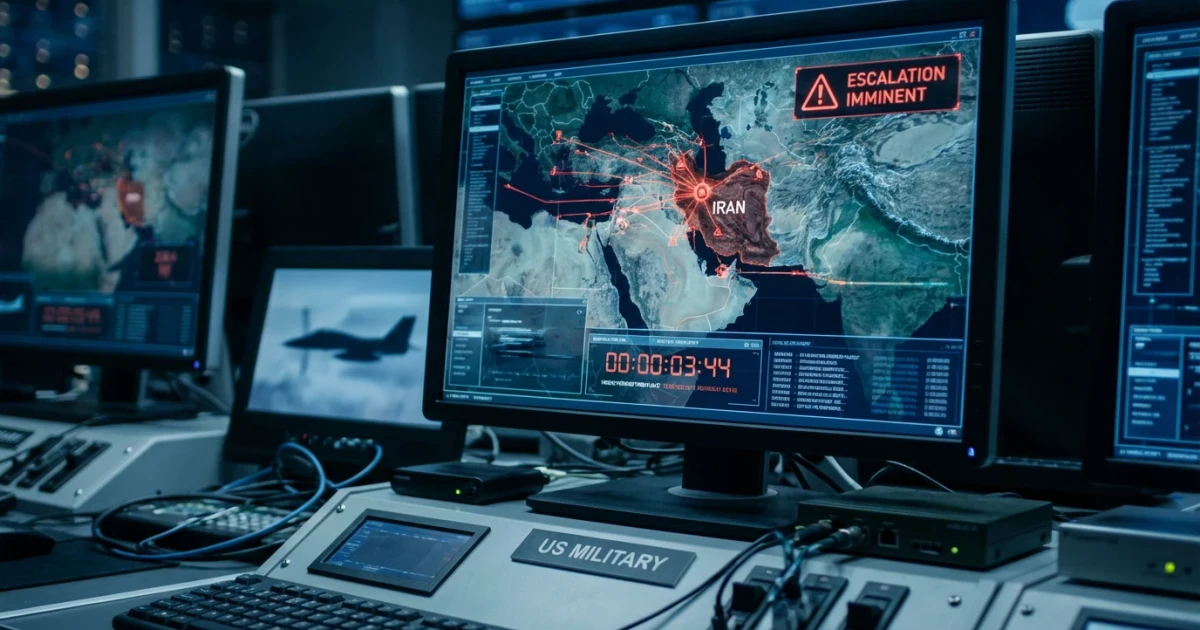
US military operations against Iran are set to intensify, following statements from Pete Hegseth indicating that the "largest strike package yet" will be launched and that there is no clear timeframe for ending the conflict. The developments highlight both the scale of the current escalation and the enduring uncertainty surrounding US objectives in the region.
Escalation with Largest Strike Package Announced
The US is poised to mount its most significant military action to date in the ongoing conflict with Iran. According to CBS News, Pete Hegseth revealed that the "largest strike package yet" is scheduled for launch today, signaling a marked escalation in US operations. While details of the targets and scope remain undisclosed, the language used by Hegseth suggests an operation involving a substantial deployment of assets and firepower.
- The planned strike follows previous waves of military engagement since the conflict began.
- Hegseth's announcement comes amid ongoing tensions and a series of exchanges between the two countries.
- The US has previously conducted targeted strikes on Iranian military infrastructure and affiliated groups, as documented by GlobalSecurity.org's military strike chronicle.
No Defined Timeline for US Withdrawal
In a related development, The Guardian reported that Pete Hegseth confirmed there is currently no set timeframe for ending the US war against Iran. This admission underscores the open-ended nature of the conflict and raises questions about the strategic objectives and end state envisioned by US policymakers.
Hegseth's remarks reflect a stance echoed in previous US military engagements in the region, where operations have often extended without clear deadlines. The lack of a defined exit plan adds to uncertainties for both US forces and international observers. Congressional Research Service analysis of US-Iran military operations points to the complexities involved in determining conflict duration, particularly when operations are tied to shifting security dynamics and evolving political goals.
Strategic and Operational Implications
The decision to escalate with a "largest strike package" comes amid ongoing debate over the effectiveness and risks of military pressure on Iran. Data compiled by the SIPRI Arms Transfers Database highlights the substantial US military capacity engaged in the region, with advanced aircraft, naval assets, and precision munitions regularly deployed in strike operations.
Defense analysts, including those at the RAND Corporation, warn that large-scale strikes can carry escalation risks, potentially triggering retaliatory responses from Iran or its regional partners. The absence of a clear timeline for disengagement further complicates diplomatic efforts and regional stability.
U.S. Policy Objectives Remain Vague
Official statements from the U.S. Department of Defense have emphasized the goals of degrading Iranian military capabilities and deterring further aggression. However, without a publicized end state or withdrawal plan, it remains unclear how success will ultimately be measured.
Ongoing analysis by the Congressional Research Service notes that U.S. operations in Iran are shaped by a complex mix of defense, diplomatic, and counterterrorism objectives, often requiring adjustments as conditions on the ground evolve.
International and Domestic Reactions
The prospect of intensified US strikes and an indefinite timeline has drawn scrutiny from allies, adversaries, and domestic audiences alike. Concerns center on potential humanitarian impacts, the risk of regional escalation, and the challenge of balancing military action with diplomatic engagement.
- International observers will be watching closely for Iranian responses to the planned strike.
- Domestic debate continues over the scope and objectives of US involvement in Iran, with questions about congressional oversight and long-term strategic interests.
Looking Ahead
As the US prepares for its largest military action yet in the Iran conflict, the lack of a defined exit strategy keeps the future path of engagement uncertain. The coming days will be critical in shaping the trajectory of the conflict, as policymakers face mounting pressure to clarify objectives and minimize risks of broader escalation.