World
U.S. presses Europe to tighten Ebola travel rules or face restrictions
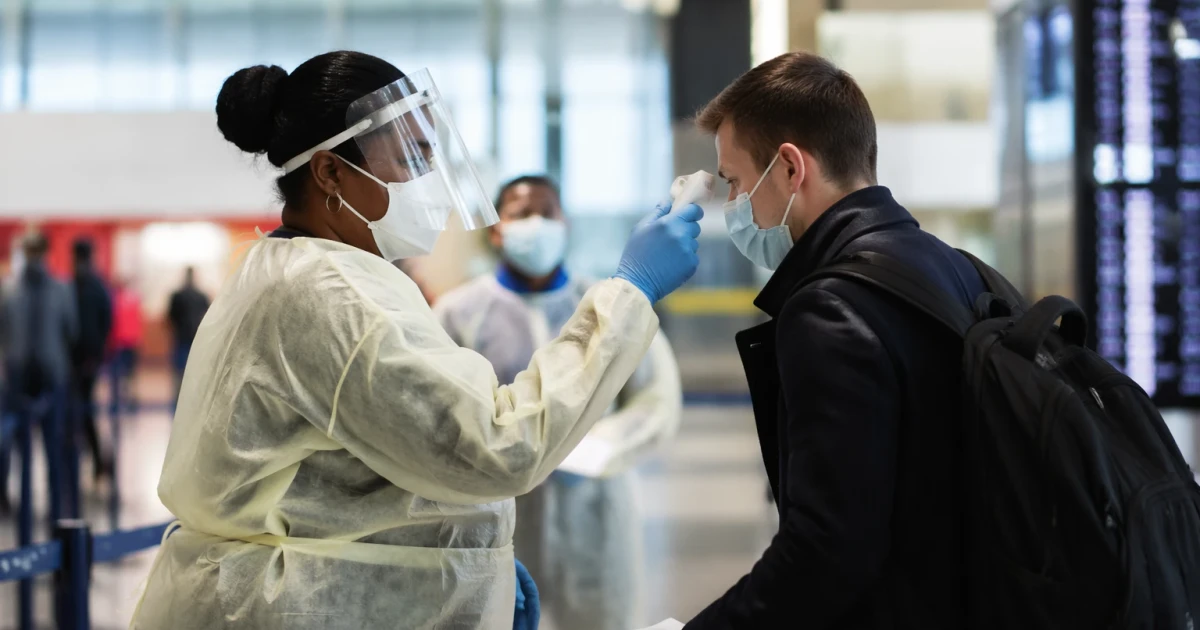
The Trump administration is pressing European governments to tighten travel checks on people coming from Ebola-hit countries in Africa, warning that Washington could answer with tougher rules on arrivals from Europe, including during the World Cup soccer tournament. The push began with a formal demarche on June 1 and carried into talks between Secretary of State Marco Rubio and European Commission President Ursula von der Leyen. It puts border politics directly against the public health guidance now shaping the Ebola response.
World Health Organization leaders declared the outbreak in the Democratic Republic of the Congo and Uganda a Public Health Emergency of International Concern on May 17 after Bundibugyo virus infections appeared in remote but densely populated areas marked by insecurity and a humanitarian crisis. The strain has no licensed vaccine or specific treatment. CDC said on June 9 that no Ebola cases tied to this outbreak had been confirmed in the United States and that the risk to the general public remained low.
European health officials have pushed back on the logic of blanket restrictions. The European Centre for Disease Prevention and Control said on June 9 that the likelihood of infection for people living in the EU and EEA is very low, while WHO says blanket travel bans can disrupt supply chains and hinder outbreak response. WHO instead recommends exit screening at airports, ports and border crossings, a narrower approach meant to catch exposed travelers without choking movement through the region.
The outbreak figures have climbed fast. CDC said on May 16 that the DRC had 246 suspected cases and 80 deaths, then later updated the tally to 291 confirmed cases and 43 confirmed deaths across the DRC and Uganda as of May 31. Congo’s government said on June 9 that confirmed cases had risen to 598 with 115 deaths. It is the DRC’s 17th Ebola outbreak since 1976 and its second involving Bundibugyo virus, while the State Department said on June 3 that U.S. foreign assistance announcements for the response had topped $162 million and six dedicated Ebola response clinics had been established.
For Washington, the dispute is about more than health screening. The clash now tests whether tougher travel rules are being driven by epidemiological evidence, diplomatic pressure, or the domestic optics of appearing hard on borders while experts say targeted screening, not sweeping bans, is what works best to contain spread.
Sources
- [1]abcnews.com
- [2]who.int
- [3]cdc.gov
- [4]state.gov
- [5]ecdc.europa.eu