World
US Presses Iran at UN Over Hormuz and Hostage Claims
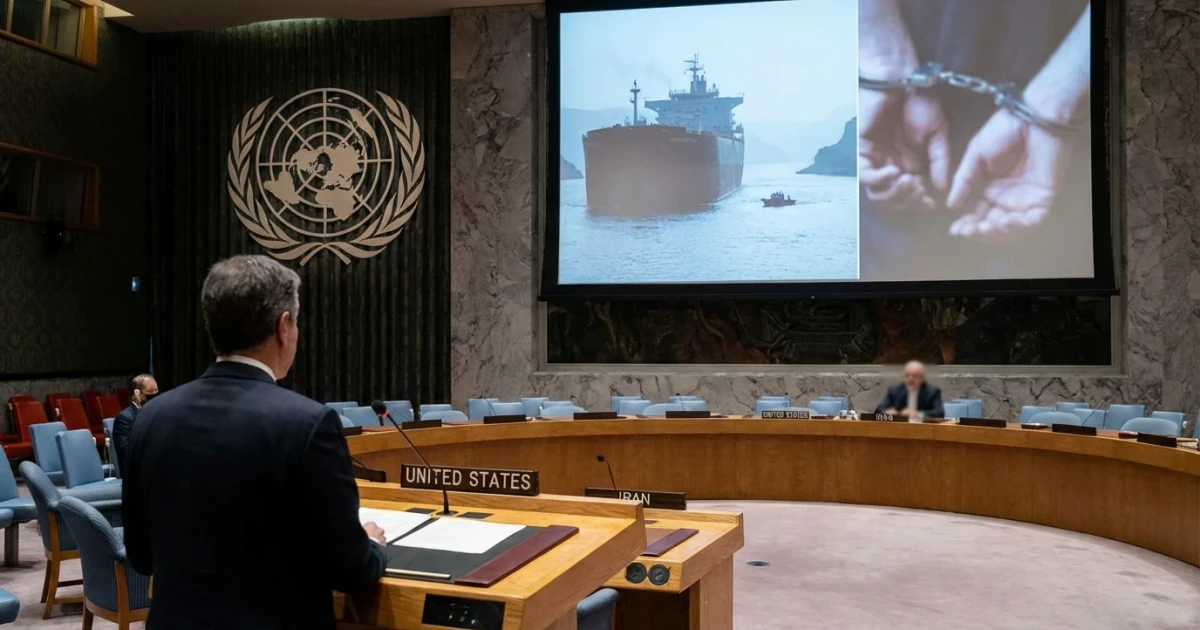
Tensions over the strategic Strait of Hormuz escalated at the United Nations Security Council this week as the United States directly accused Iran of using the vital waterway as a bargaining tool and engaging in the detention of foreign nationals. The exchange, reported by The Economic Times, highlights ongoing geopolitical friction in a region crucial to global energy markets and maritime trade.
Strait of Hormuz: A Critical Global Chokepoint
The Strait of Hormuz is widely recognized as the world's most important oil transit chokepoint. According to data from the United Nations Conference on Trade and Development (UNCTAD), a significant portion of global maritime oil shipments pass through this narrow passage between the Persian Gulf and the Gulf of Oman. Any disruption here can have an immediate impact on global crude oil prices and energy security, as seen during previous regional crises.
- The Strait of Hormuz handles roughly one-fifth of all global oil traded at sea.
- Monthly U.S. imports from the Persian Gulf can be tracked on the U.S. Energy Information Administration database.
- Maritime transport indicators reflect the chokepoint's centrality to international shipping and commerce.
US Accusations at the United Nations
During the recent Security Council session, the United States firmly stated that "Hormuz is not a bargaining chip," directly challenging what it described as Iran's strategy of leveraging the waterway during diplomatic and security negotiations. The U.S. also accused Tehran of "hostage-taking"—a reference to the ongoing detention of foreign nationals, including dual citizens, in Iran. These allegations echo findings in the U.S. Department of State's human rights reports, which have repeatedly documented incidents involving the arrest and prolonged detention of foreign citizens in Iran.
Iran's Response and Diplomatic Implications
While The Economic Times report focused on U.S. statements, Iran has typically denied using the Strait as a tool of blackmail and has maintained that its detention of foreign nationals is based on legal grounds. The ongoing standoff at the Security Council underscores the difficulties in resolving maritime security issues amid broader disputes, including nuclear negotiations and regional influence.
Impact on Global Energy and Security
Instability in the Strait of Hormuz reverberates worldwide. Shipping insurers and energy market analysts closely watch developments, as even the threat of escalation can drive up oil prices and increase costs for global trade. The Security Council has previously adopted resolutions on maritime security and the free flow of energy resources, with the latest actions available in the official UN records.
- Any closure or significant disruption at the Strait could impact energy supplies to Asia, Europe, and the US.
- Previous incidents have led to military escorts for shipping and spikes in insurance premiums.
Outlook
The recent US accusations at the UN highlight persistent mistrust and strategic rivalry in the Gulf region. With the Strait of Hormuz remaining a lifeline for global energy and trade, the international community continues to call for restraint, dialogue, and adherence to maritime law. The situation remains fluid, with both security and humanitarian issues at stake as diplomatic negotiations move forward.