Business
U.S. probe flags aircraft import risks, but stops short of tariffs
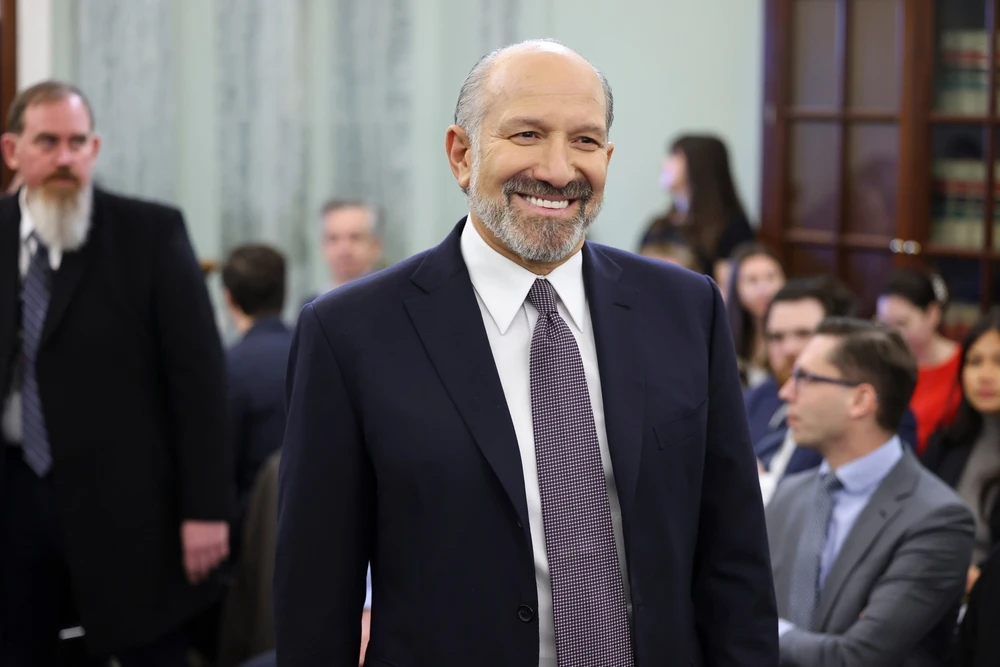
Commerce Secretary Howard Lutnick recommended against immediate duties on imported commercial aircraft, jet engines and parts after the Commerce Department finished a probe into the imports, concluding that foreign goods raise national-security concerns. No new tariffs are being sought for now.
The decision leaves Boeing, engine makers, parts suppliers and airlines exposed to future pressure, but not to an immediate trade shock. Donald Trump directed negotiations with trading partners to address the impact of foreign imports on the U.S. commercial aerospace industry, and the administration has left open the possibility of action within six months if those talks do not produce results.
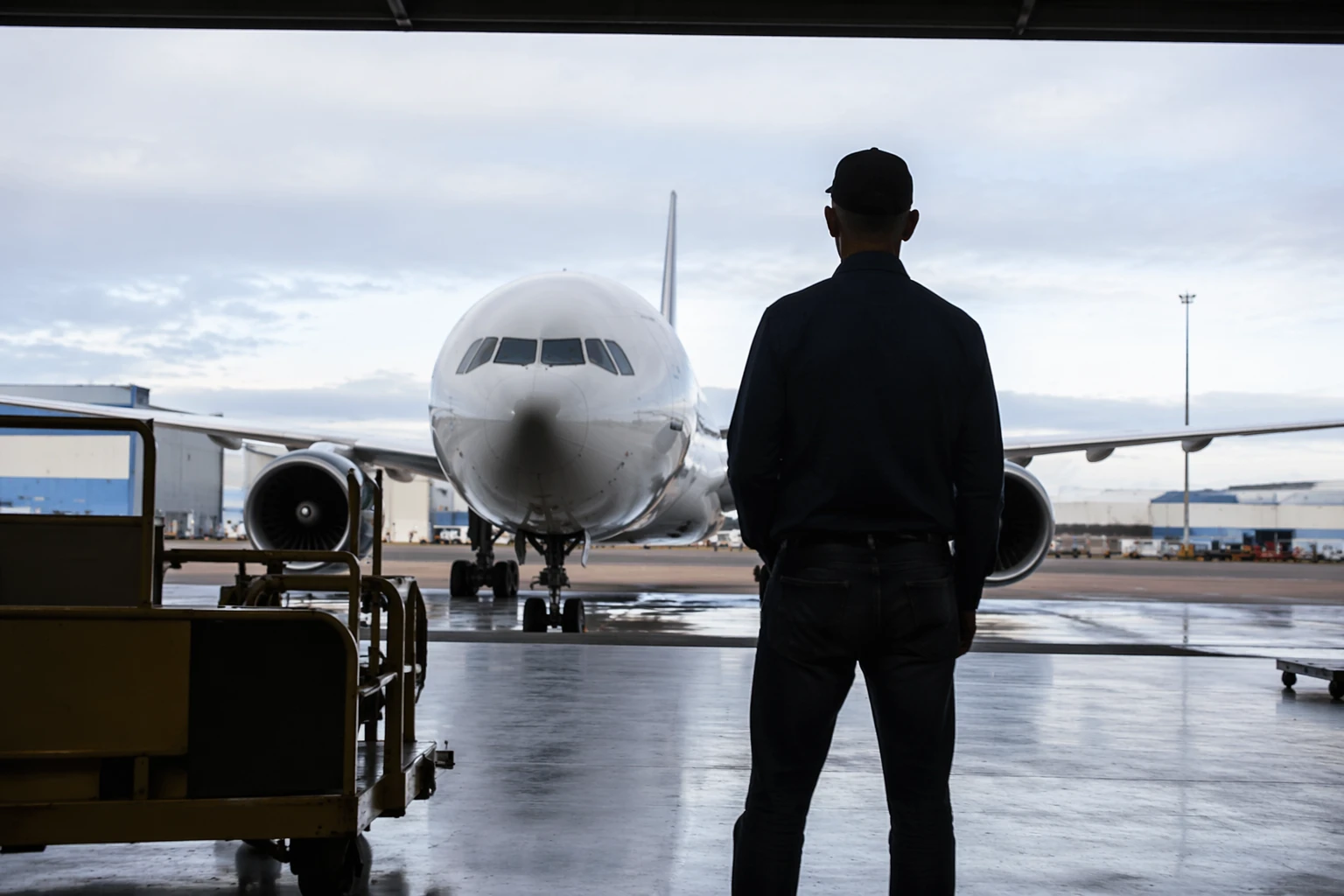
The Agreement on Trade in Civil Aircraft, signed on April 12, 1979, requires signatories to eliminate tariffs on civil aircraft, engines, flight simulators and related parts and components on a nondiscriminatory basis. Aircraft and parts have traded across borders with little friction for decades, even as the supply chain has become deeply international.
The secretary found commercial aircraft, jet engines and their associated parts are essential to U.S. national security and the economy, with ties to defense, cargo, transportation and tourism. The tariff-free regime has underpinned an aerospace trade surplus of about $75 billion a year. Delta Air Lines urged the government not to impose new tariffs in comments tied to the probe, warning of damage to operations and ticket prices, while Airbus Americas warned last year that tariffs would put U.S. planemaking at risk.
Airbus trimmed its 20-year passenger aircraft demand forecast by 1% on July 8, citing the Iran war and trade tensions.
Sources
- [1]usnews.com
- [2]ustr.gov
- [3]whitehouse.gov
- [4]foxbusiness.com
- [5]msn.com
- [6]kfgo.com