World
U.S. probes suspected insider trading on military bets, Cambodia tracks looted antiquities
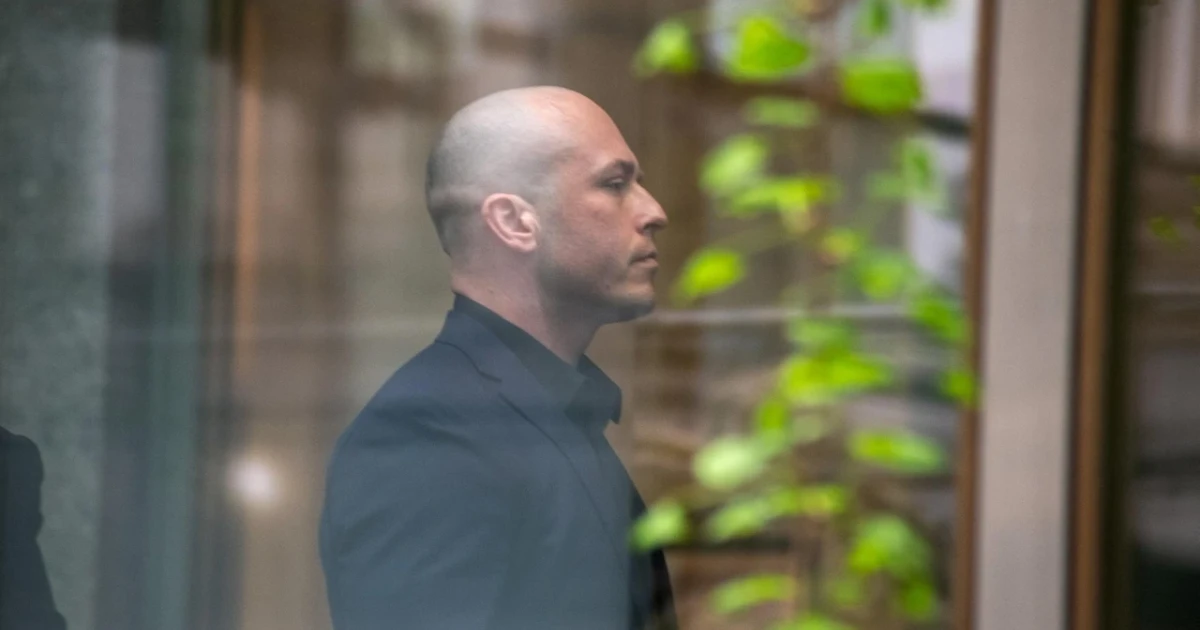
Federal prosecutors charged U.S. Army soldier Gannon Ken Van Dyke with unlawful use of confidential government information, theft of nonpublic government information, commodities fraud, wire fraud and making an unlawful monetary transaction, saying he used classified details tied to Operation Absolute Resolve, a planned operation to capture Nicolás Maduro in Venezuela. The case has sharpened scrutiny on prediction markets after suspected insider accounts netted about $2.4 million on Polymarket’s Iran-war market and posted a 98% win rate across more than 80 bets.
The scale of the trading has become part of the concern. More than $1 billion has been staked online this year on military decisions and outcomes, a volume that creates fertile ground for wagers placed by people with access to nonpublic planning, timing or battlefield developments. The House Oversight Committee has opened an investigation into Kalshi and Polymarket over alleged insider-trading concerns, and Polymarket has tightened its rules after scrutiny over suspiciously timed bets. The hard part for regulators is proving intent: a winning trade on a military event can look like a strong read on geopolitics until investigators connect the account to classified access, privileged briefings or other nonpublic information.
That same logic of tracing hidden value runs through Cambodia’s campaign to recover looted antiquities. Two looted Khmer artifacts were returned to Cambodia from New York’s Metropolitan Museum of Art on June 11, 2026, after seizure by the Manhattan District Attorney’s Office, adding to a broader repatriation effort that has already identified at least 3,500 Cambodian artifacts for return, with hundreds already back at Phnom Penh’s National Museum. The country’s losses stretch across religious sites and eras of instability after the Khmer Rouge period, when temples were left exposed to organized theft.
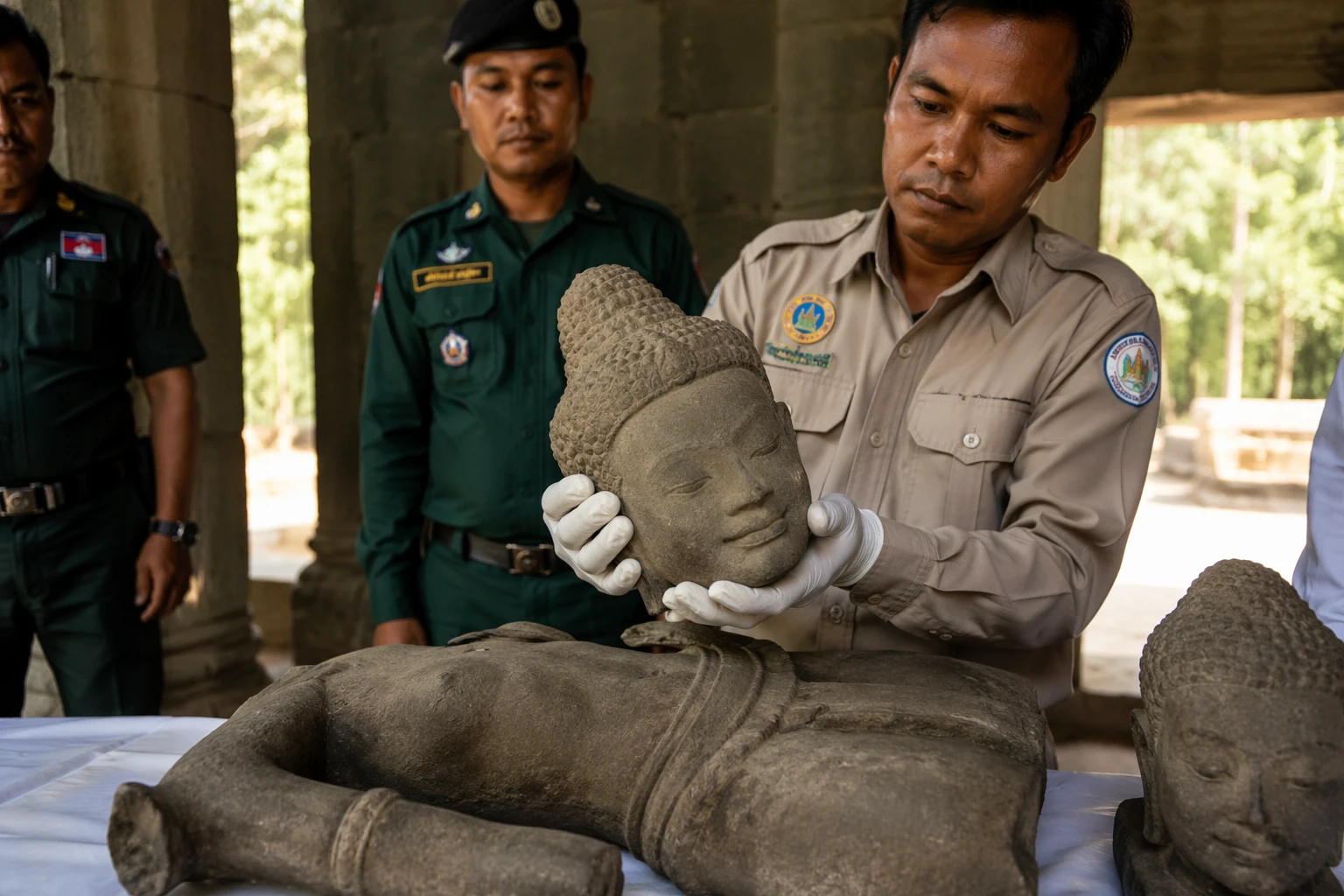
Cambodia and the United States renewed and extended their bilateral cultural property agreement on Aug. 30, 2023, and the State Department’s Cultural Heritage Center remains central to U.S. efforts against trafficking in cultural property. CBS has previously said nearly all of Cambodia’s 4,000 temples were plundered, including Angkor Wat, and described the looting as one of history’s largest art heists. The United Nations Office on Drugs and Crime has called trafficking in cultural property a substantial global problem, a trade that, like suspicious betting on war, depends on secrecy, weak enforcement and the difficulty of proving who knew what, and when.
Sources
- [1]cbsnews.com
- [2]justice.gov
- [3]2012-2025.eca.state.gov
- [4]state.gov
- [5]en.kampucheathmey.com
- [6]unodc.org