Technology
US proposes dropping brake pedals for fully driverless cars
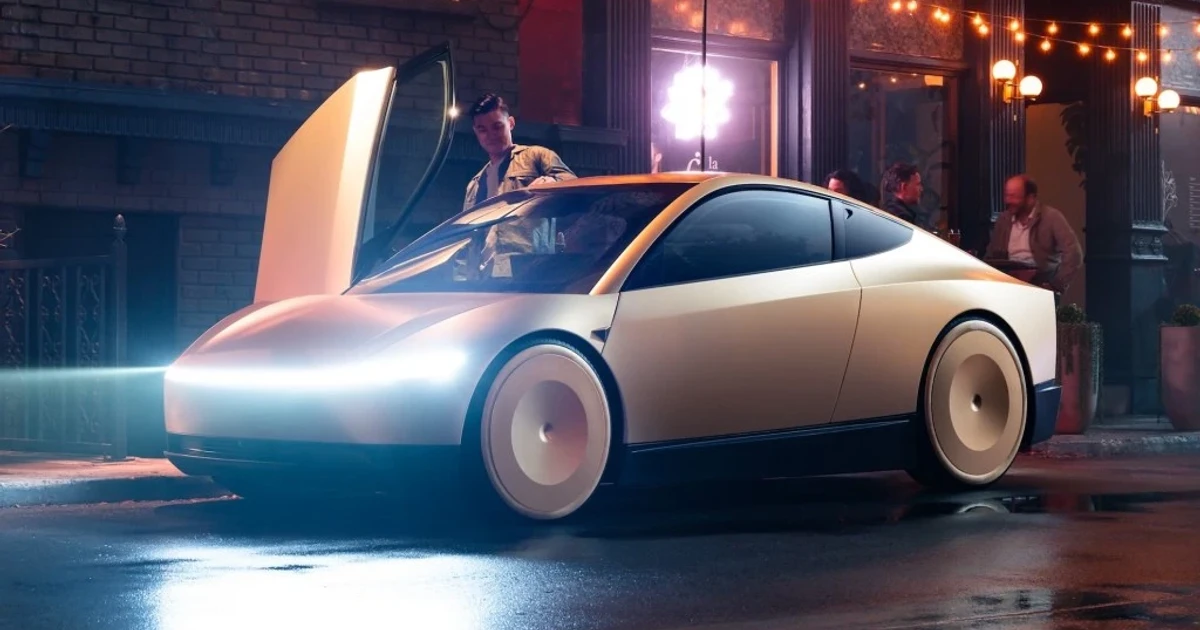
The Transportation Department moved to erase the federal requirement for manual brake pedals in vehicles built to be driven only by automated driving systems, a change that would clear one of the last hardware obstacles for purpose-built robotaxis. The National Highway Traffic Safety Administration said June 25, 2026, that it had begun rulemaking under its Automated Vehicle Framework, calling the proposal its fifth update to the Federal Motor Vehicle Safety Standards.
The change would not apply to vehicles with human driver controls, and it would not eliminate stopping-performance rules. NHTSA said braking standards would remain in place, including strict stopping-distance requirements, preserving one layer of oversight even as the agency removes a familiar safeguard from cars meant to operate without a human behind the wheel.
The proposal carries outsized consequences for Tesla and Zoox, two companies building vehicles around full automation rather than retrofitting conventional cars. TechCrunch described the move as a major regulatory boost for Tesla, while Reuters framed it as a step that could help robotaxi makers bring purpose-built vehicles to market. Tesla’s Cybercab, a vehicle with no steering wheel or pedals, had already entered production at Gigafactory Texas, making the rule shift especially relevant to a program the company is trying to commercialize.
The move fits a broader Trump administration push to loosen federal vehicle rules for autonomous driving. In March 2026, NHTSA advanced two proposed rulemakings aimed at easing the manufacturing and deployment of self-driving vehicles. In 2025, it announced three more rulemakings to modernize federal standards for vehicles with automated driving systems and no manual controls.
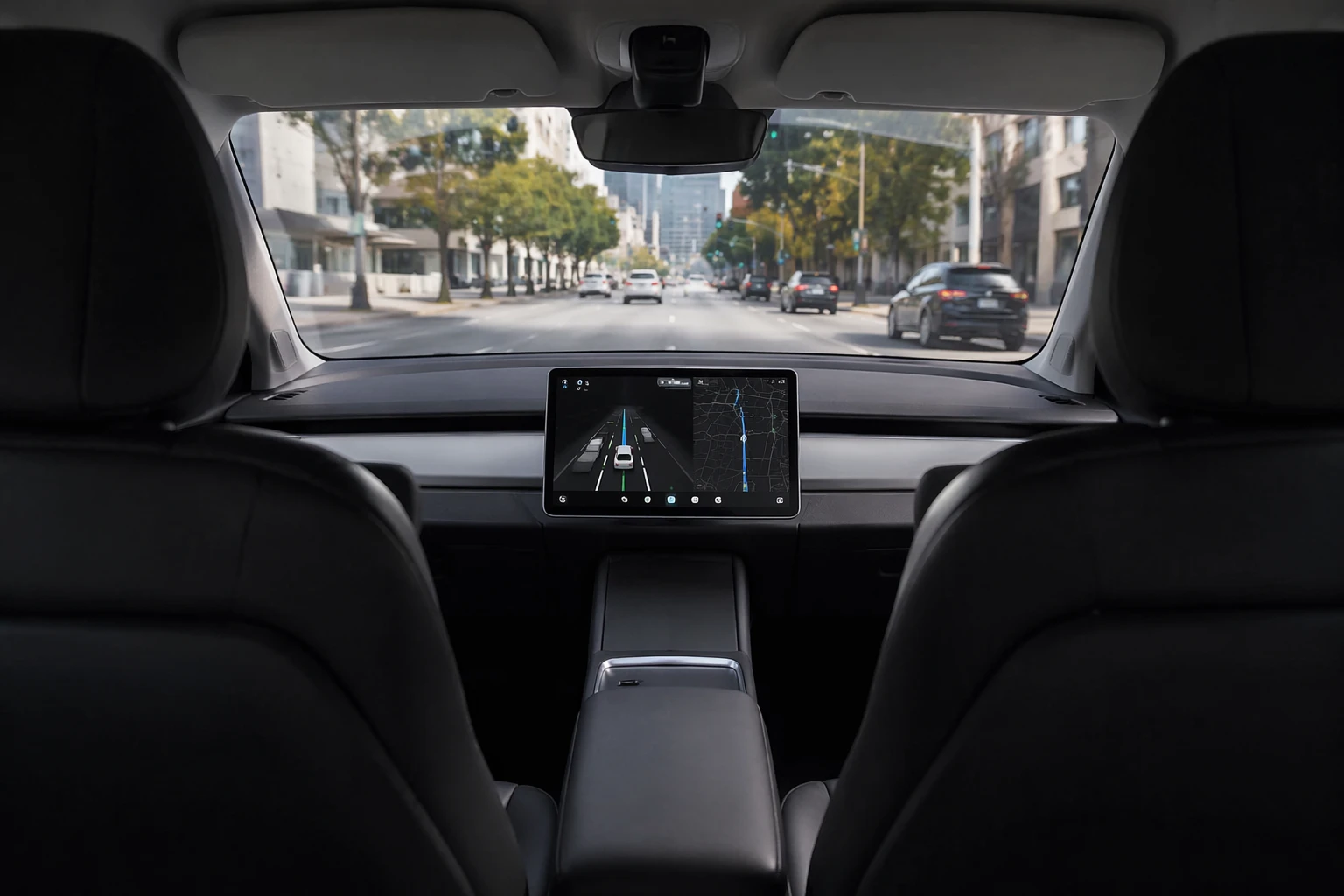
The agency has been laying the groundwork for years. Its automated-driving guidance dates back to AV 3.0, published in 2018, and its reports to Congress have continued to track research and rulemaking on automated driving systems. In December 2025, NHTSA released the fourth and final volume of its research on Federal Motor Vehicle Safety Standards considerations for automated vehicles, underscoring how far the policy push has already advanced.
NHTSA also has authority to grant exemptions that allow up to 2,500 vehicles per manufacturer each year to operate without meeting certain safety standards. Reuters reported in 2025 that the agency was streamlining review of those exemption requests for vehicles without steering wheels, brake pedals or mirrors. The latest proposal would widen that path by changing the standards themselves, not just the exemption process, giving automakers a clearer route to build cars that look more like machines and less like traditional vehicles.
Sources
- [1]techcrunch.com
- [2]nhtsa.gov
- [3]usnews.com
- [4]reuters.com