World
U.S. quietly uses ship-to-ship oil transfers near Strait of Hormuz
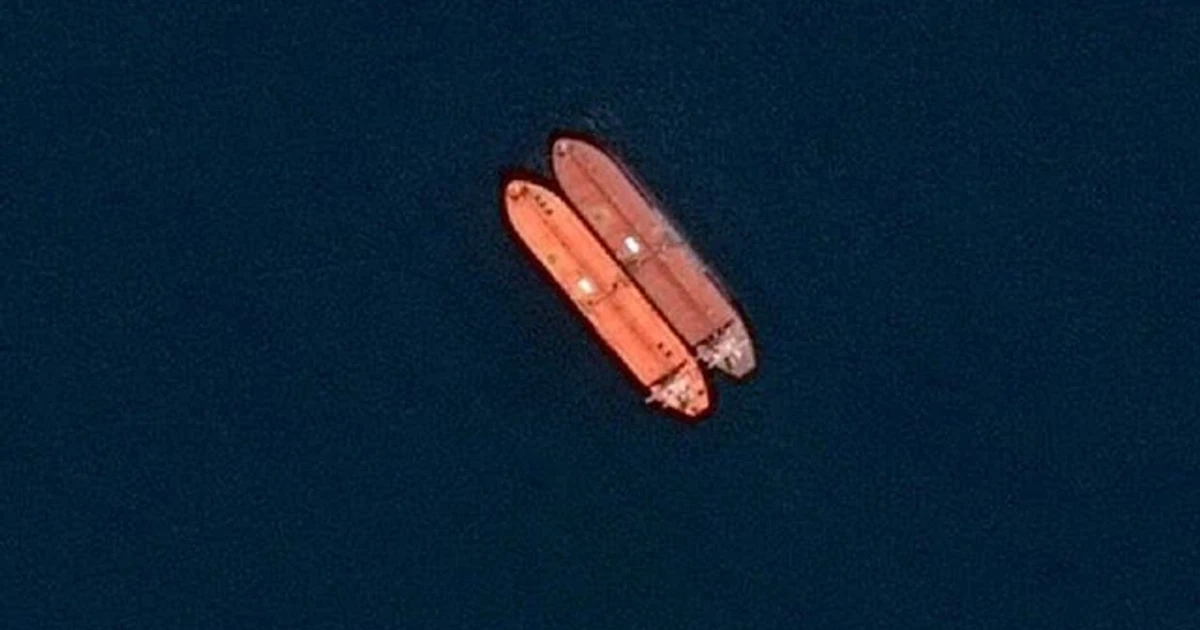
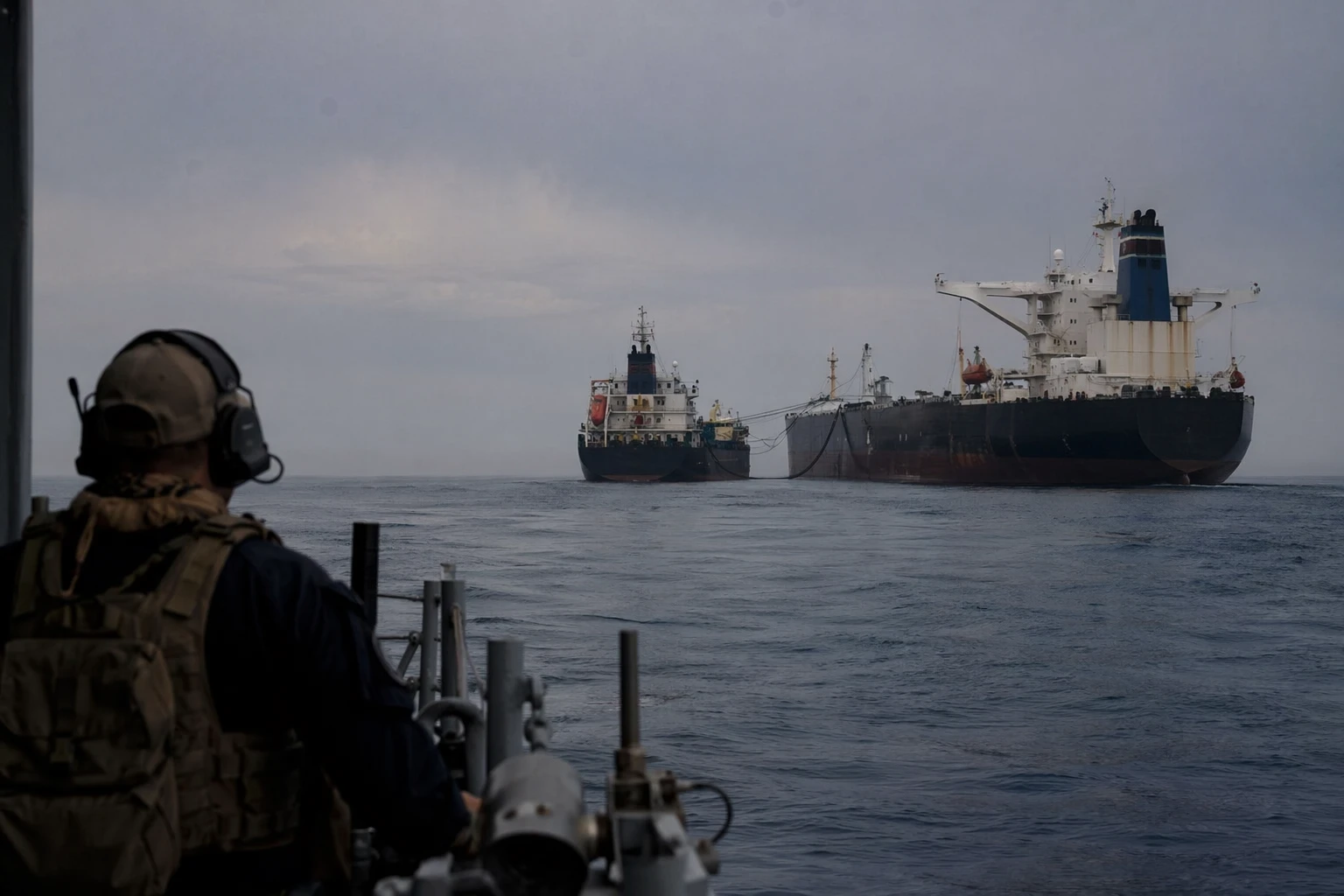
The United States has quietly turned to the same ship-to-ship transfer playbook long associated with Iranian sanctions evasion, moving crude near the Strait of Hormuz to keep Gulf exports flowing. The operation began in early May and has relied on aerial drones, water drones and helicopters to steer tankers into position at two offshore transfer points, one off Fujairah in the United Arab Emirates and the other off Sohar in Oman.
The scale is already significant. At least 92 ships had been involved by the time of the latest reporting, and on June 11 as many as 17 pairs of vessels were seen conducting simultaneous transfers at the two sites. One of the busiest days came on June 6, when 2.3 million barrels of crude were siphoned from a Kuwait Oil Tanker Company ship off Sohar. An Apache helicopter that Iran shot down on June 9 was also said to have been involved in the mission, according to four sources, though its exact role remained unclear.
The operation underscores how the Strait of Hormuz remains one of the world’s most fragile energy arteries. The U.S. Energy Information Administration says oil flow through the strait averaged 20 million barrels a day in 2024, equal to about 20% of global petroleum liquids consumption. The International Energy Agency says roughly 25% of the world’s seaborne oil trade moved through the strait in 2025, leaving few realistic alternatives if traffic is disrupted.
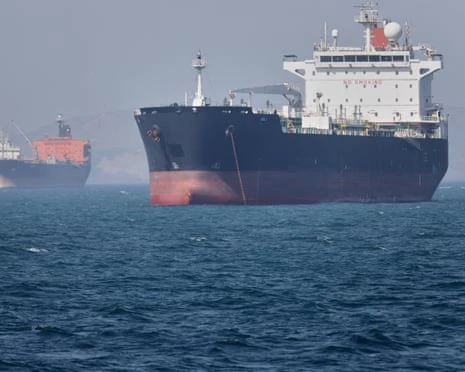
That dependence helps explain why Washington would embrace a technique often used in the gray zones of maritime commerce. The transfers preserve continuity in a corridor where commercial shipping, naval operations and state power overlap, but they also carry legal and diplomatic risks because they resemble the very methods the United States has spent years condemning when used by Iran. The sites sit near the exit of Hormuz and close to the boundaries drawn by the Persian Gulf Strait Authority, the new Iranian body created to manage the waterway.
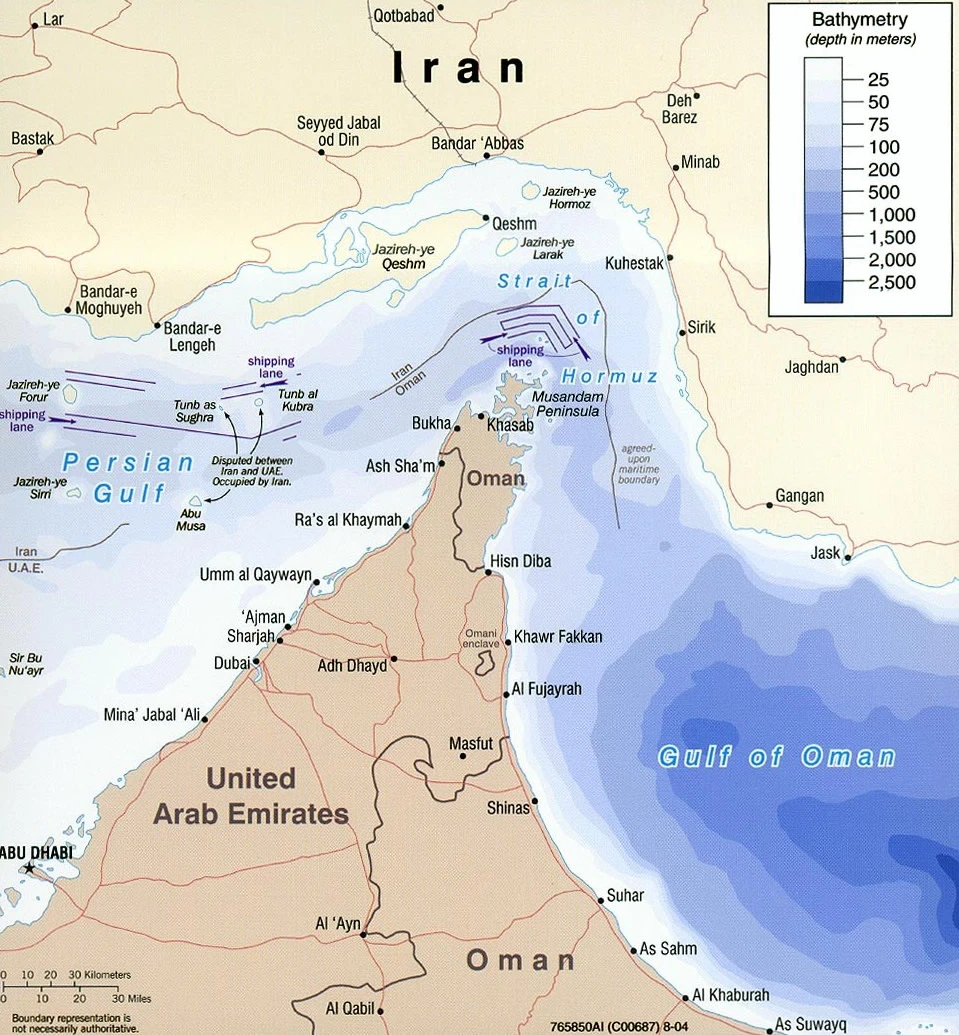
A U.S. defense official said no Central Command forces were taking part in an offshore ship-to-ship oil transfer operation, while the White House referred questions to Central Command. The public debate widened on June 10, when Donald Trump said the U.S. military had secretly helped more than 200 commercial ships and more than 100 million barrels of oil transit Hormuz, arguing the effort kept prices from spiking. Whether Congress or allies were briefed remains an open question, but the message from the Gulf is already clear: even the most formal oil enforcement regimes blur quickly when the shipping lane itself becomes the battleground.
Sources
- [1]usnews.com
- [2]eia.gov
- [3]iea.org
- [4]economictimes.indiatimes.com
- [5]cnbc.com
- [6]news.un.org