Business
US raises concerns ASML’s top chipmaking tool may have reached China
ASML is facing fresh scrutiny over whether one of its most powerful chipmaking tools may have ended up in China, a claim the company flatly rejects. The dispute centers on extreme ultraviolet, or EUV, lithography systems, the most advanced machines in the semiconductor industry and the only tools capable of printing the smallest chip patterns used in leading-edge processors.
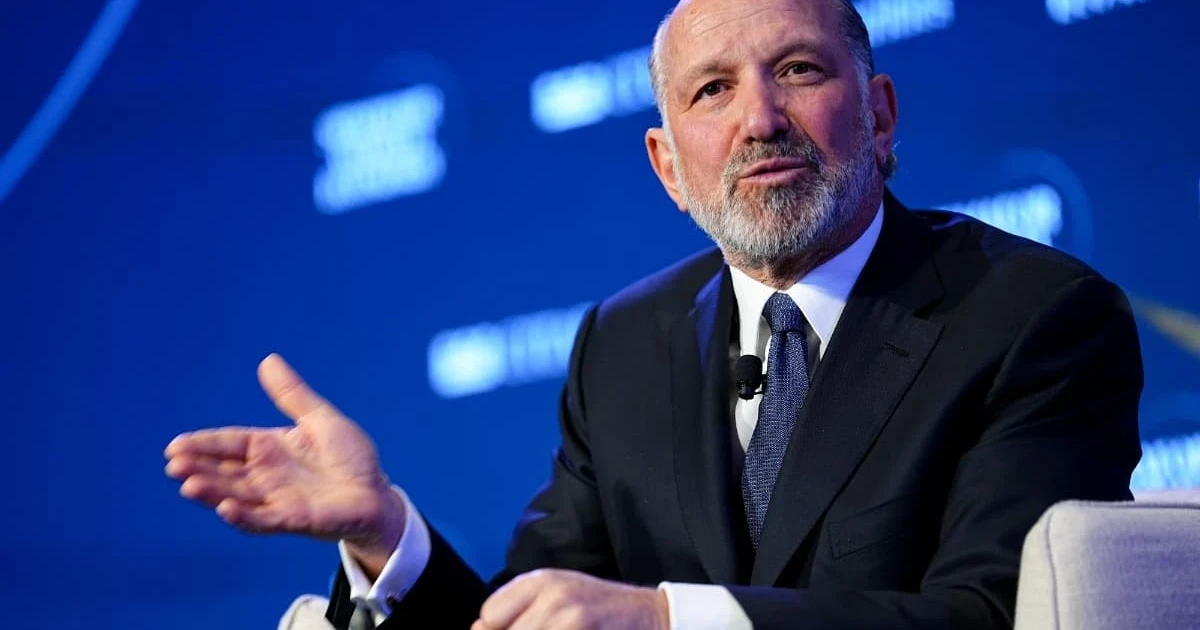
U.S. Commerce Secretary Howard Lutnick has told senior ASML leaders in recent meetings that Washington is concerned one of the Dutch company’s top machines may have reached China in violation of export restrictions. ASML says that is wrong. The company says no EUV system exists in China and that it has never shipped an EUV machine there. The Commerce Department has not publicly laid out evidence backing the concern, turning the episode into a credibility test for export controls that are meant to keep strategic technology out of Chinese hands.
The timing matters because the Netherlands has already built a tightly controlled licensing regime around ASML’s business. Dutch authorities require export licenses for EUV systems, and since September 7, 2024, they have also required licenses for ASML’s TWINSCAN NXT:1970i and 1980i DUV immersion systems. Earlier Dutch restrictions had already covered the NXT:2000i and later DUV immersion tools. ASML called the updated rule a "technical change" and said it would not affect its financial outlook for 2024.
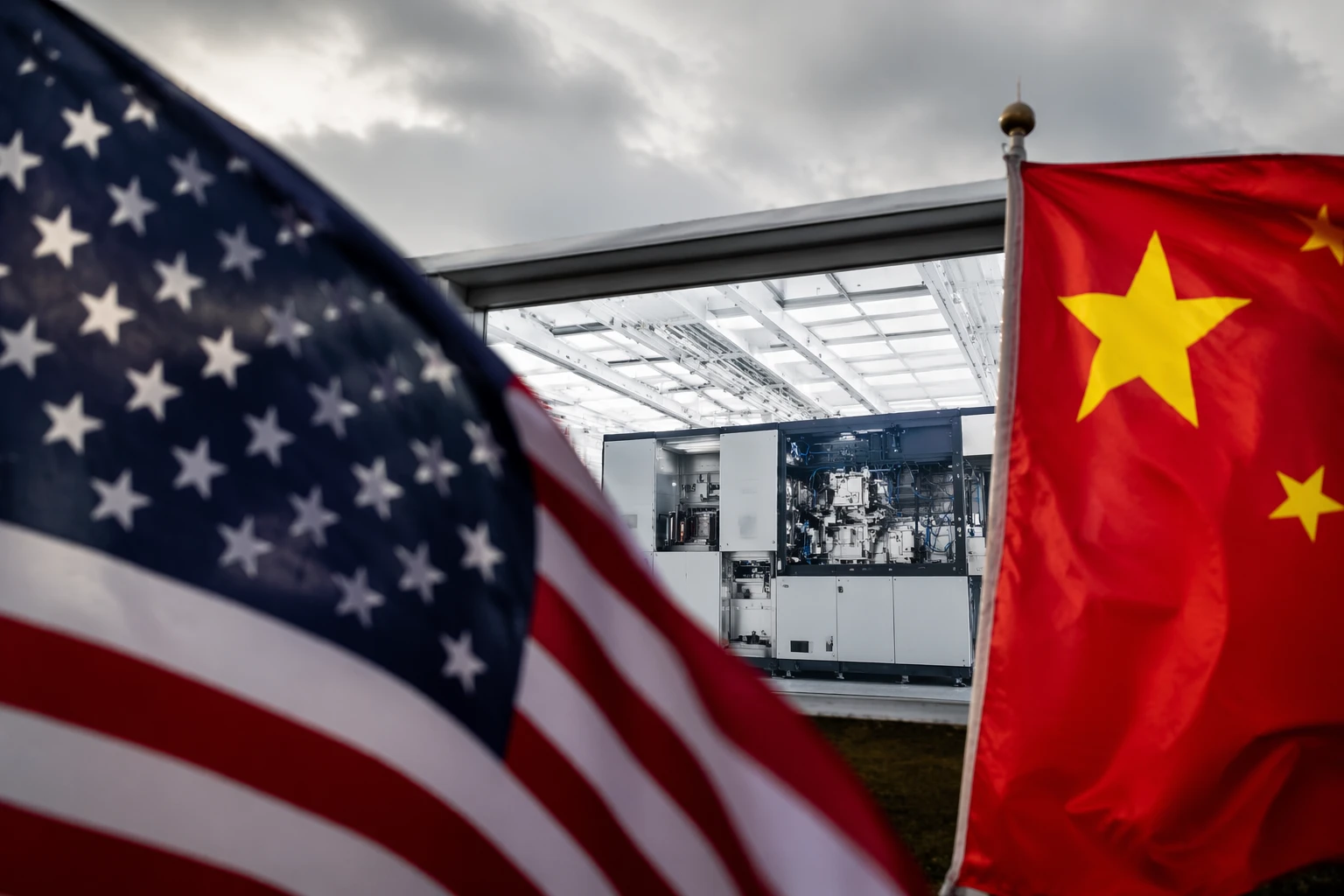
The fight also comes with real commercial stakes. ASML reported total net sales of €28.3 billion in 2024, and the company has said roughly 20% of its 2026 revenue is expected to come from already-permitted sales to China. The Dutch government excludes most ASML sales to China from disclosures on sensitive goods exports because the data are commercially sensitive and reporting is optional, which leaves outsiders with an incomplete view of how much advanced equipment still flows into the Chinese market. That opacity matters for investors as much as for policymakers, because ASML remains one of Europe’s most important industrial companies and a critical supplier to the global chip industry.
The broader backdrop is a steady tightening of controls on ASML’s China business in 2023 and 2024 under U.S. pressure. China has complained about the restrictions, while ASML has continued to argue that its permitted China sales remain commercially important and that it is complying with licensing rules. The latest dispute suggests the West may still have only a partial grasp of where sensitive equipment ends up once it leaves Veldhoven.
Sources
- [1]techcrunch.com
- [2]asml.com
- [3]reuters.com
- [4]msn.com