Business
U.S. refunds $100 billion in illegal Trump tariff payments
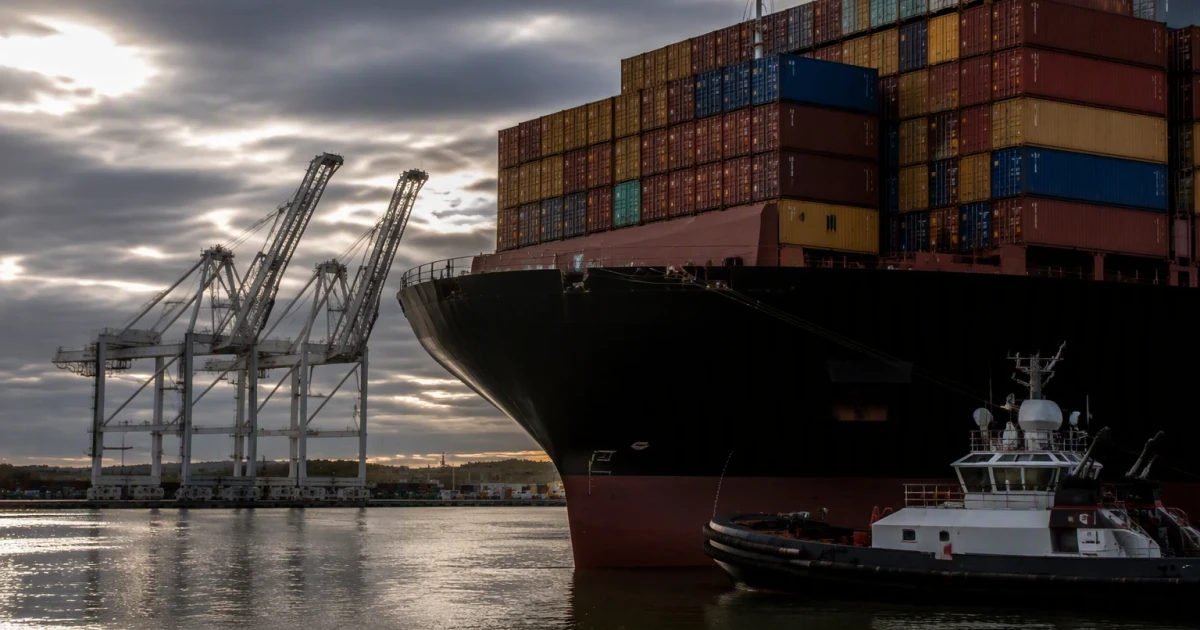
A court filing showed that the U.S. government had paid out about $100 billion in tariff refunds through the end of July after the Supreme Court struck down a major part of Donald Trump’s trade agenda. The refunds stemmed from the court’s February 20, 2026 ruling in Learning Resources, Inc. v. Trump, which held that the International Emergency Economic Powers Act does not authorize the president to impose tariffs.
The legal reversal forced U.S. Customs and Border Protection to stop collecting the tariffs imposed under IEEPA, and the administration launched an online refund portal in April to process claims from businesses. Some companies later reported problems with the system, adding another layer of friction to a reimbursement process already tied to one of the biggest trade-policy resets in years.
The filing said the government’s payouts through July reached about $100 billion, more than half of the roughly $166 billion owed to thousands of U.S. businesses. That means tens of billions of dollars in additional refunds could still be at issue as claims move through the system. Reuters reported that the money was being returned after the court dismantled the tariff basis, while ABC News noted that the amount already refunded had crossed a milestone and still fell short of the full obligation.
The largest payouts are flowing to major corporations that spent years absorbing tariff costs. Reporting from CNN put Apple’s estimated refund last quarter at $2.2 billion. Amazon and Nike were also identified among the companies receiving large refunds, along with Ford and Walmart. NBC News reported that critics say the refunds are landing with companies rather than American households, raising the question of who ultimately bore the cost of the trade fight in the first place.
Consumers are unlikely to see much of the money directly. NBC News reported that Nintendo said customers agreed to tariff-related price increases when they bought products, so they are not entitled to refunds. That distinction underscores how the tariffs worked in practice: businesses paid the duties, but many recouped at least part of the cost through higher prices, leaving the refund process to flow back to the importers rather than the shoppers who absorbed the higher bills.
Sources
- [1]cbsnews.com
- [2]reuters.com
- [3]nbcnews.com
- [4]abcnews.com
- [5]youtube.com
- [6]cnbc.com
- [7]cnn.com
- [8]theguardian.com
- [9]congress.gov
- [10]supremecourt.gov
- [11]quinnemanuel.com
- [12]bakerdonelson.com