World
U.S. releases video of seventh straight night of strikes on Iran
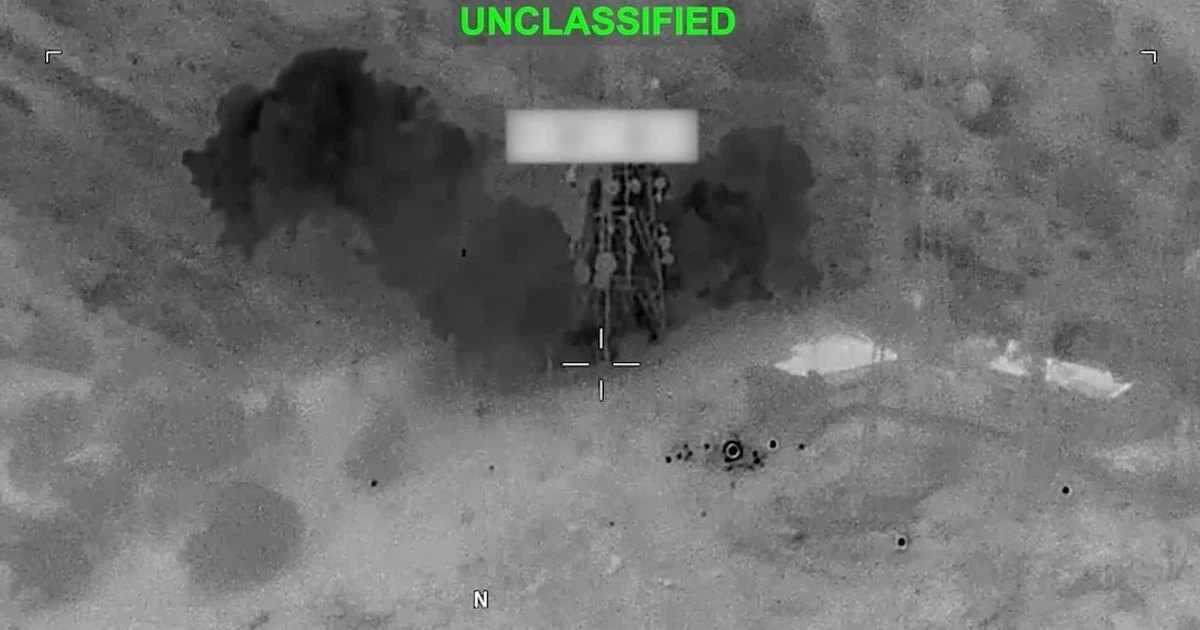
The United States released video Friday that officials said showed the seventh straight night of strikes on Iran, making the footage a public marker of a campaign that has moved well beyond a single exchange. The sustained tempo matters because it shows a cycle of retaliation and counter-retaliation, not a brief strike-and-response episode.
The latest U.S. attacks were described as hitting military logistics infrastructure and other sites, part of a pattern that U.S. Central Command had already signaled earlier in the week. On July 9, CENTCOM said it completed a second consecutive night of strikes on Iran and hit about 90 military targets, a scale that pointed to repeated operations rather than isolated action. By July 17, the fighting had entered a sixth day and fears of escalation were already rising.
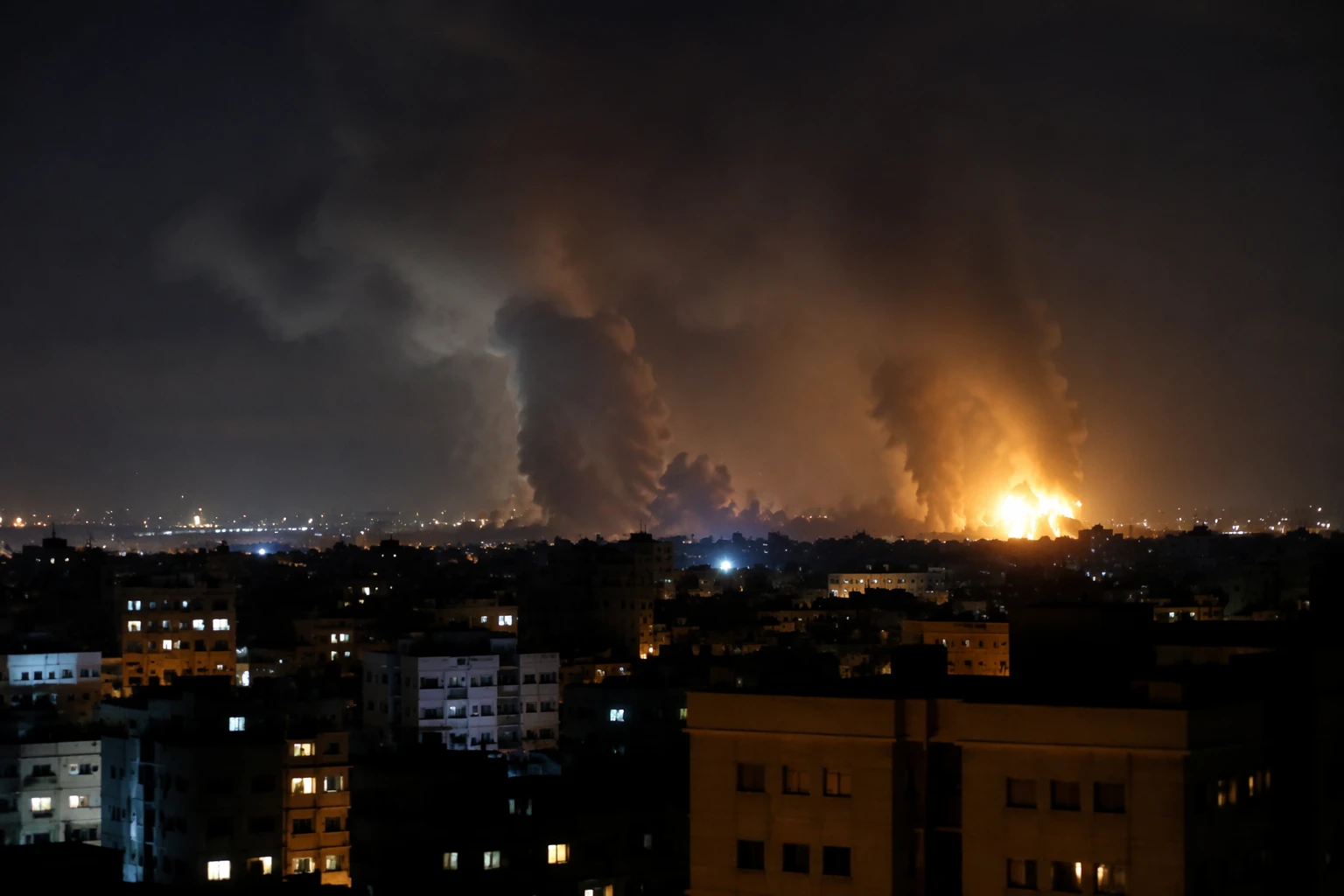
The geography of the strikes has also widened the stakes. On July 16, U.S. strikes included targets in Bandar Abbas, a major Iranian port city tied to trade routes across the Persian Gulf. Iran responded by calling the Strait of Hormuz a red line and saying it would resist until the end, a warning that carried immediate implications for maritime traffic, energy shipments and regional military posture.

The latest round also reached beyond Iran’s borders. Iran renewed attacks on Gulf states after another night of U.S. strikes, underscoring how quickly pressure can spill across the region when both sides keep up the pace. That raises the risk for countries hosting U.S. forces, for shipping companies routing tankers through the Gulf, and for governments already trying to balance deterrence against the danger of wider war.
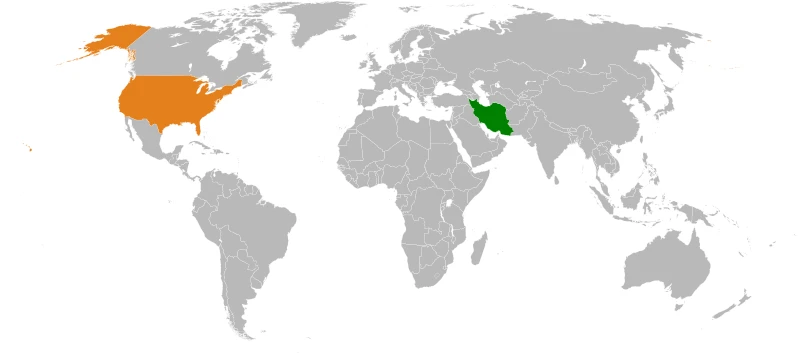
For Washington, releasing the video served a clear purpose: it documented continued operations and projected resolve at a moment when the conflict’s duration had become its own message. For Tehran and its regional neighbors, the repeated strikes signaled a confrontation that is becoming harder to confine, harder to explain and harder to stop.
Sources
- [1]reuters.com
- [2]youtube.com
- [3]wincountry.com