US News
US Reports Iran Struggles to Locate Its Own Mines in Hormuz
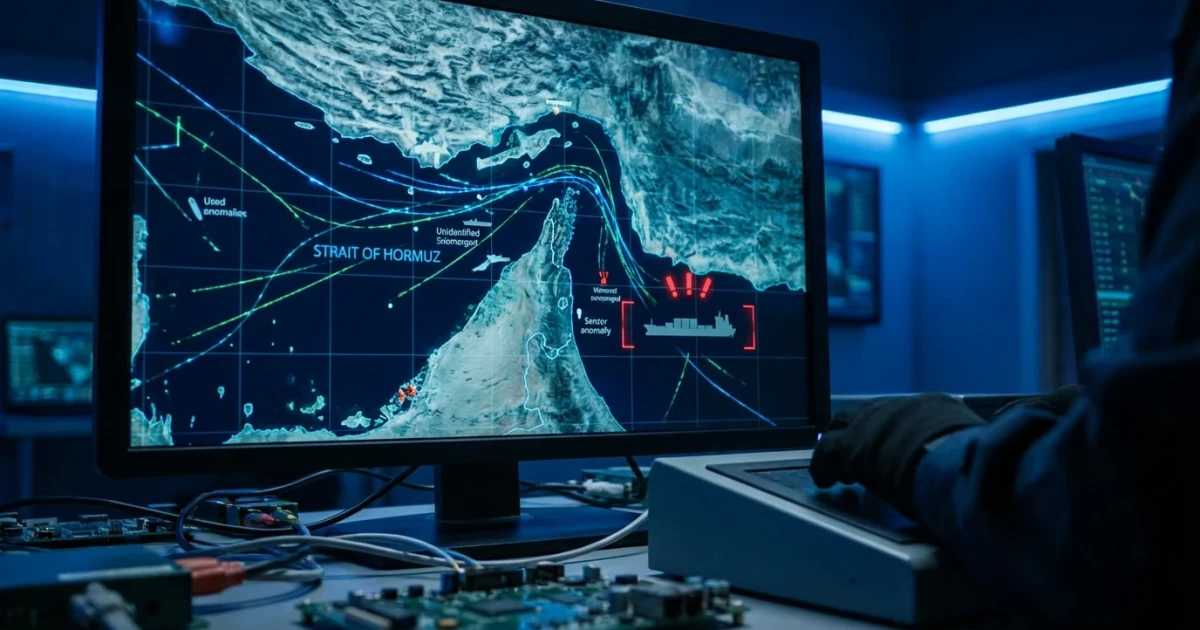
US officials have claimed Iran is unable to locate all the naval mines it has previously deployed in the Strait of Hormuz, according to reports covered by The Guardian and The New York Times. These assertions highlight growing concerns over maritime safety in one of the world's most strategically important waterways, responsible for the transit of a significant share of global oil shipments.
The Strait of Hormuz: Strategic Importance and Security Risks
The Strait of Hormuz is a narrow passage between the Persian Gulf and the Gulf of Oman, serving as a critical chokepoint for global energy supplies. Approximately one-fifth of the world’s petroleum passes through this corridor annually, making its security a matter of international concern. Any disruption—especially from naval mines—could have far-reaching implications for global markets and regional stability.
Claims About Iranian Naval Mine Deployments
US officials, as reported by The Guardian, allege that Iran is unable to find or clear all the mines it has previously laid in these waters. This claim comes amid persistent tensions in the region and past incidents where shipping routes were threatened or temporarily disrupted. Naval mines, which are relatively inexpensive and easy to deploy, have long been a staple of Iran’s asymmetric maritime strategy, according to analysts at GlobalSecurity.org.
- Mine warfare is a critical element of Iran’s plan to deter or impede foreign naval forces.
- Iran’s mines range from simple contact mines to more sophisticated influence mines.
- Historical incidents, including the mining of the USS Samuel B. Roberts in 1988, demonstrate the persistent danger posed by unexploded ordnance in the area.
Maritime Safety and Unintended Consequences
According to a UNODC maritime crime analysis, naval mines, whether intentionally or accidentally left behind, pose ongoing risks to commercial and military vessels. Mines can remain active for years, and their exact positions are often subject to environmental drift or human error during deployment.
The inability to locate and neutralize these mines not only threatens international shipping but also raises the risk of accidents involving regional fishing and cargo vessels. Past reports documented several near-misses and incidents involving non-military ships, escalating international calls for enhanced mine-clearing operations and transparency.
Context and International Response
The United Nations Security Council has previously summarized international concerns about Iranian naval mines, emphasizing the need for compliance with maritime safety norms and sanctions aimed at limiting their proliferation. These latest US claims, if substantiated, could amplify calls for multilateral action and bolster ongoing diplomatic efforts to reduce tensions in the Gulf.
Independent research, such as the CNA report on Iranian mine warfare, notes that while Iran has developed significant mine-laying capabilities, tracking and recovering mines can be technically challenging, especially in dynamic maritime environments.
Looking Ahead
As the Strait of Hormuz remains a vital artery for global energy and commerce, the potential presence of unaccounted-for mines underscores the importance of international cooperation on maritime security. Whether Iran’s alleged difficulties in locating its own mines will prompt further regional or international responses remains to be seen, but the risks to shipping and economic stability are clear. Ongoing monitoring and transparent reporting will be crucial in ensuring the safety of this critical waterway.