US News
US Responds as Strait of Hormuz Tensions Escalate
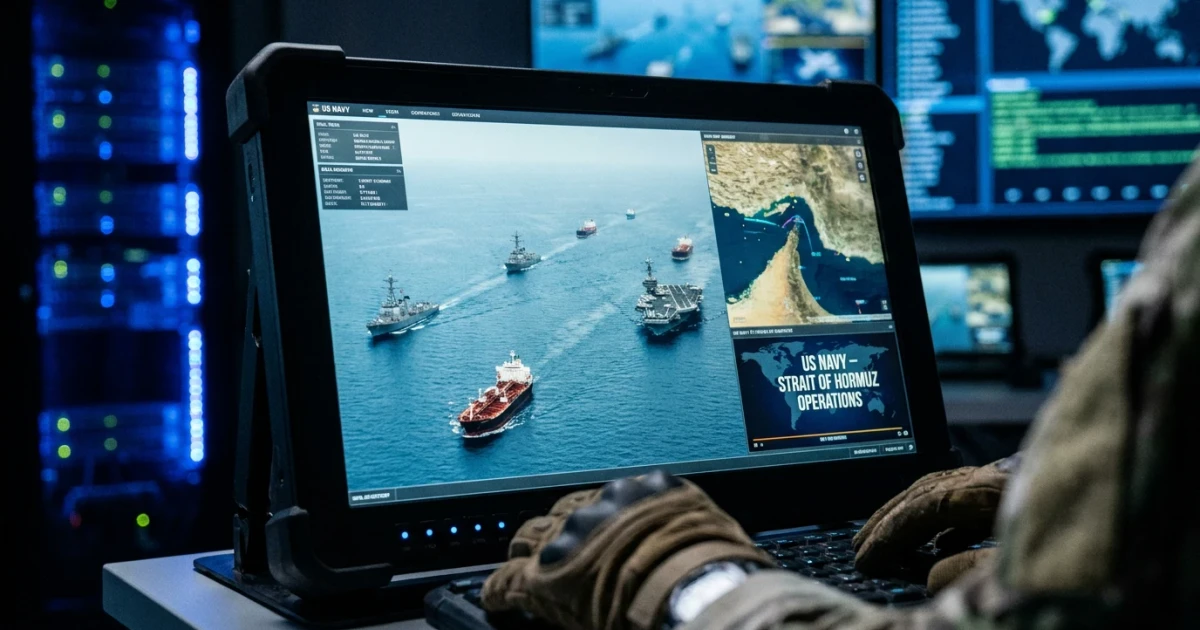
Rising tensions in the Persian Gulf have drawn international scrutiny as the United States launches efforts to reopen the Strait of Hormuz after a series of attacks targeting the United Arab Emirates (UAE) and US naval vessels. The incidents mark a significant test of the recent ceasefire agreement between Iran and regional adversaries.
Attacks Threaten Stability in Vital Shipping Corridor
The latest escalation began when Iran reportedly fired upon US ships transiting the Strait of Hormuz, a development covered by AP News and corroborated by maritime security analysts. The attacks followed strikes against infrastructure in the UAE, raising new concerns over regional stability. The strait, a narrow waterway connecting the Persian Gulf to global markets, is crucial for the transport of a significant portion of the world’s oil supply. According to the U.S. Energy Information Administration, nearly 21 million barrels of oil per day passed through the strait in recent years, making it the world’s most important energy chokepoint.
- Strait of Hormuz handles roughly one-fifth of global oil supply
- UAE is a leading exporter, with much of its oil transiting the strait
- Recent attacks have disrupted both commercial and military vessel movement
US Efforts to Restore Freedom of Navigation
In response to the attacks, US naval and allied forces have launched operations to secure the waterway. AP News reports that American warships have increased their presence, conducting patrols and escorting commercial tankers. The International Maritime Organization’s official maritime security records note a spike in reported incidents in the region, with shipping companies urged to take heightened precautions.
While the US has described its actions as defensive, intended to "guarantee the safe passage of energy supplies," Iranian officials have accused Washington of escalating tensions and violating the terms of the recent truce. The UN Security Council has called for restraint from all parties, warning that continued hostilities could jeopardize broader peace negotiations.
Testing the Iran Ceasefire
The attacks come at a delicate moment for the region. A ceasefire brokered earlier this year between Iran and Gulf states, including the UAE, had raised hopes for stability after years of proxy conflict. However, the recent exchange of fire in the Strait of Hormuz is widely viewed as a test of the truce’s durability.
Analysts cited by AP News suggest that elements within Iran, or proxy groups, may be seeking to undermine the agreement or send a message to the US and its allies. At the same time, Gulf nations like the UAE have emphasized their commitment to the truce while calling for international support to deter further aggression.
Global Oil Markets and Security Implications
The disruption in the strait has immediate implications for global energy markets. With the flow of oil and liquefied natural gas threatened, prices have spiked on fears of prolonged instability. Data on alternative pipeline routes show that while the UAE and some other Gulf producers have developed bypass options, most exports still rely on passage through the Strait of Hormuz.
The International Chamber of Shipping’s annual flag state performance tables indicate a surge in rerouting and delays, impacting insurance costs and shipping schedules. Energy analysts warn that a prolonged crisis could have ripple effects far beyond the region, affecting everything from consumer fuel prices to global supply chains.
Looking Ahead
As the situation develops, diplomatic efforts are underway to de-escalate tensions and reaffirm commitments to the ceasefire. Regional and international actors are closely monitoring the strait, recognizing that any prolonged disruption could have far-reaching consequences. The outcome of US-led operations to restore freedom of navigation will likely shape the security landscape of the Gulf in the weeks and months ahead.