World
US resumes blockade of Iran’s ports as Strait of Hormuz crisis deepens
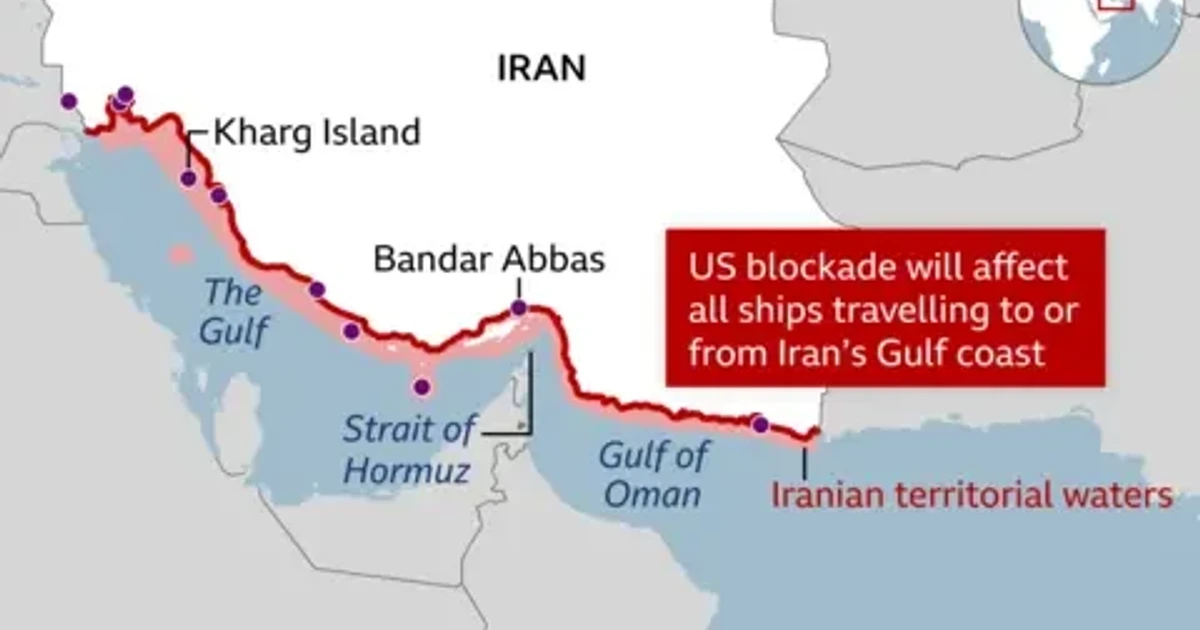
The U.S. military said it was resuming a blockade of Iran’s ports at 4 p.m. Eastern on July 14, covering all vessel traffic, regardless of flag, and extending the restriction to Iran’s ports, oil terminals and coastal areas. Ships suspected of entering or leaving the blockaded zone without authorization could be intercepted, diverted or captured, a sharper legal step than earlier sanctions and strikes.
The move came as the confrontation around the Strait of Hormuz deepened after Iran attacked shipping and U.S. military sites and Washington answered with renewed strikes on Iranian targets. The fighting pushed oil prices to four-week highs, underscoring how quickly the conflict has moved from a military exchange into a threat to global energy markets and commercial shipping lanes.
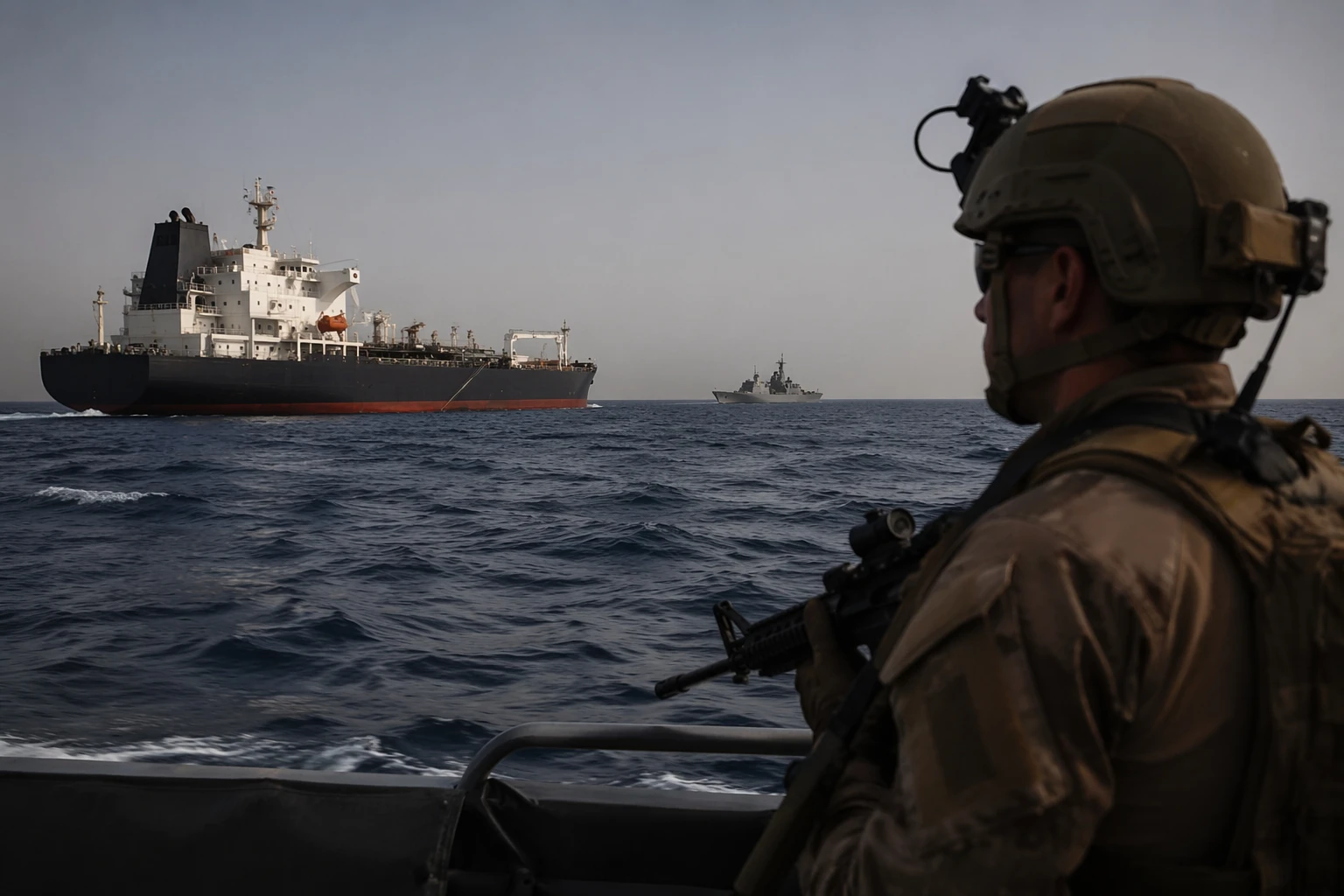
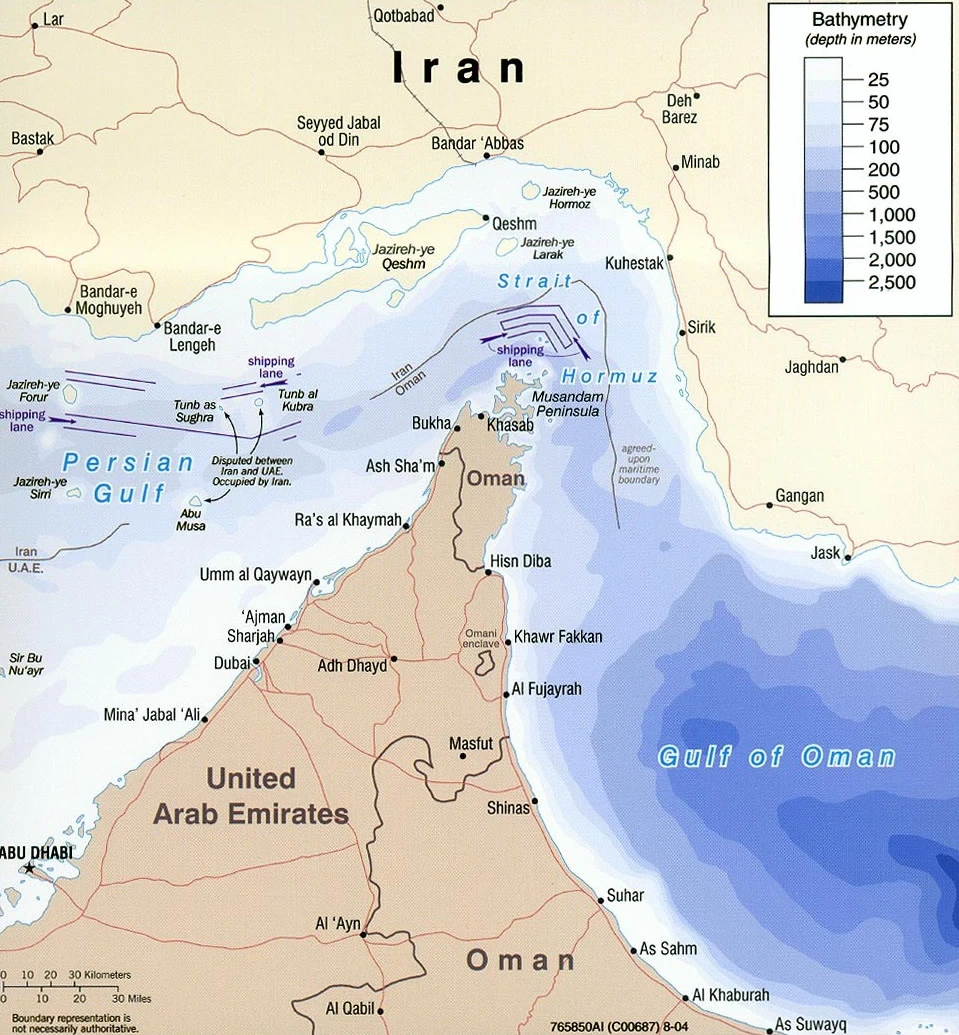
Donald Trump said the United States would become the “guardian” of the Strait of Hormuz, one of the world’s most important chokepoints for oil flows. He had also floated a 20% fee on cargo moving through the waterway, though CBS News later reported that he called off the proposed charge. Iranian officials said the strait would remain closed “until further notice,” while Iran’s deputy foreign minister accused Washington of destroying an interim peace deal.
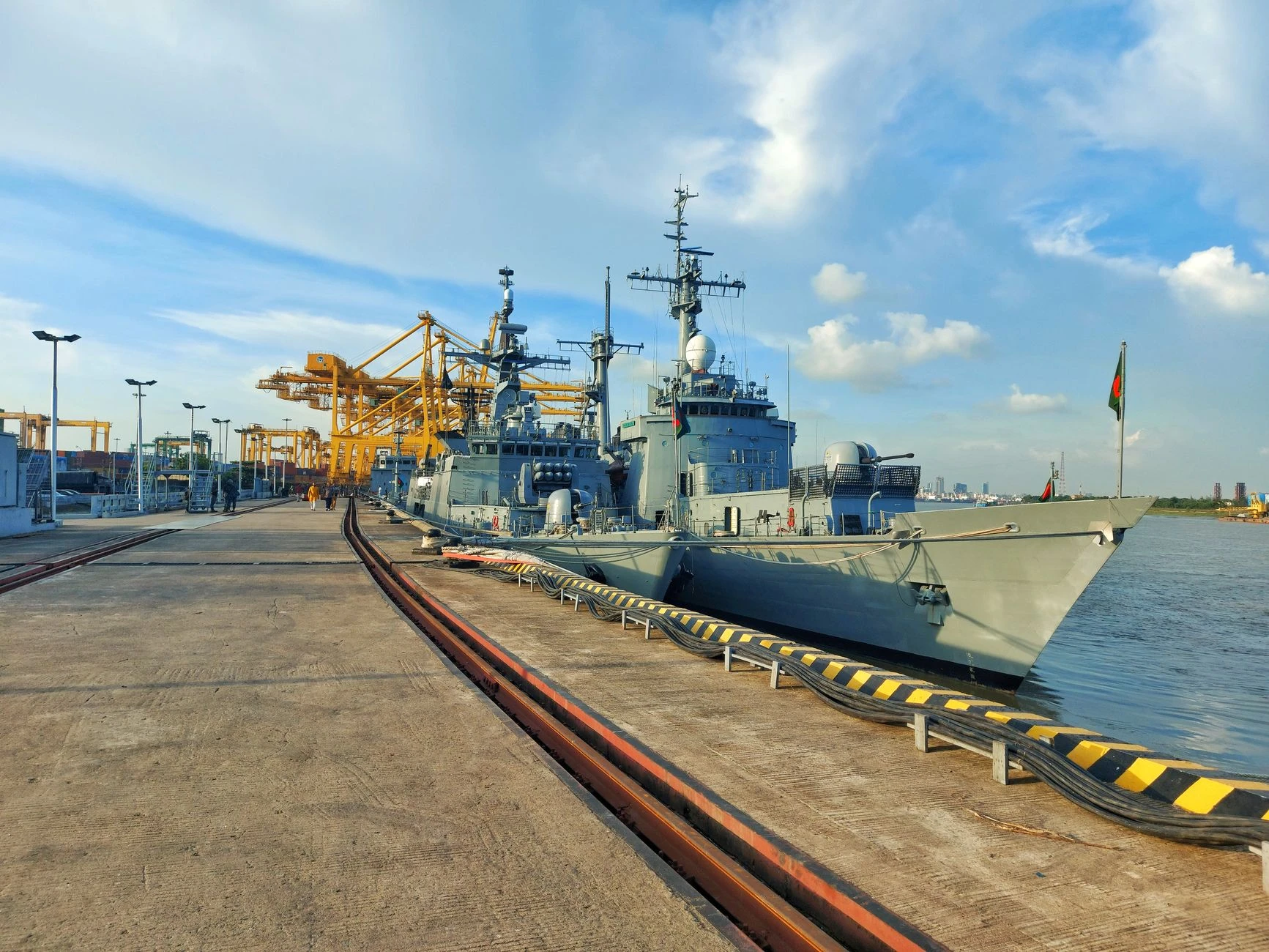
The renewed blockade marks a major escalation from Washington’s earlier pressure campaign. The U.S. reimposed sanctions on Iranian oil on July 7 after tanker attacks in the strait, and the State Department said on July 30, 2025, that it had sanctioned 20 entities involved in Iranian petroleum trade and identified 10 vessels as blocked property. Those steps aimed to choke off revenue. The new blockade changes the terms on the water itself, turning a financial squeeze into direct control over movement through Iran’s ports and nearby seas.
The military campaign has also been folded into Operation Epic Fury, which U.S. Central Command says began on Feb. 28, 2026, at 1:15 a.m. Defense Department fact sheets say that by March 28, more than 11,000 targets had been struck and more than 150 Iranian vessels had been damaged or destroyed. With both sides widening the fight, the risk is no longer limited to sanctions or isolated attacks; it now includes retaliation against shipping, pressure on regional allies, and the possibility that a limited confrontation slides into a broader war.
Sources
- [1]news.google.com
- [2]reuters.com
- [3]navytimes.com
- [4]state.gov
- [5]media.defense.gov
- [6]cbsnews.com
- [7]aljazeera.com