World
U.S. resumes dollar shipments to Iraq after months-long pause

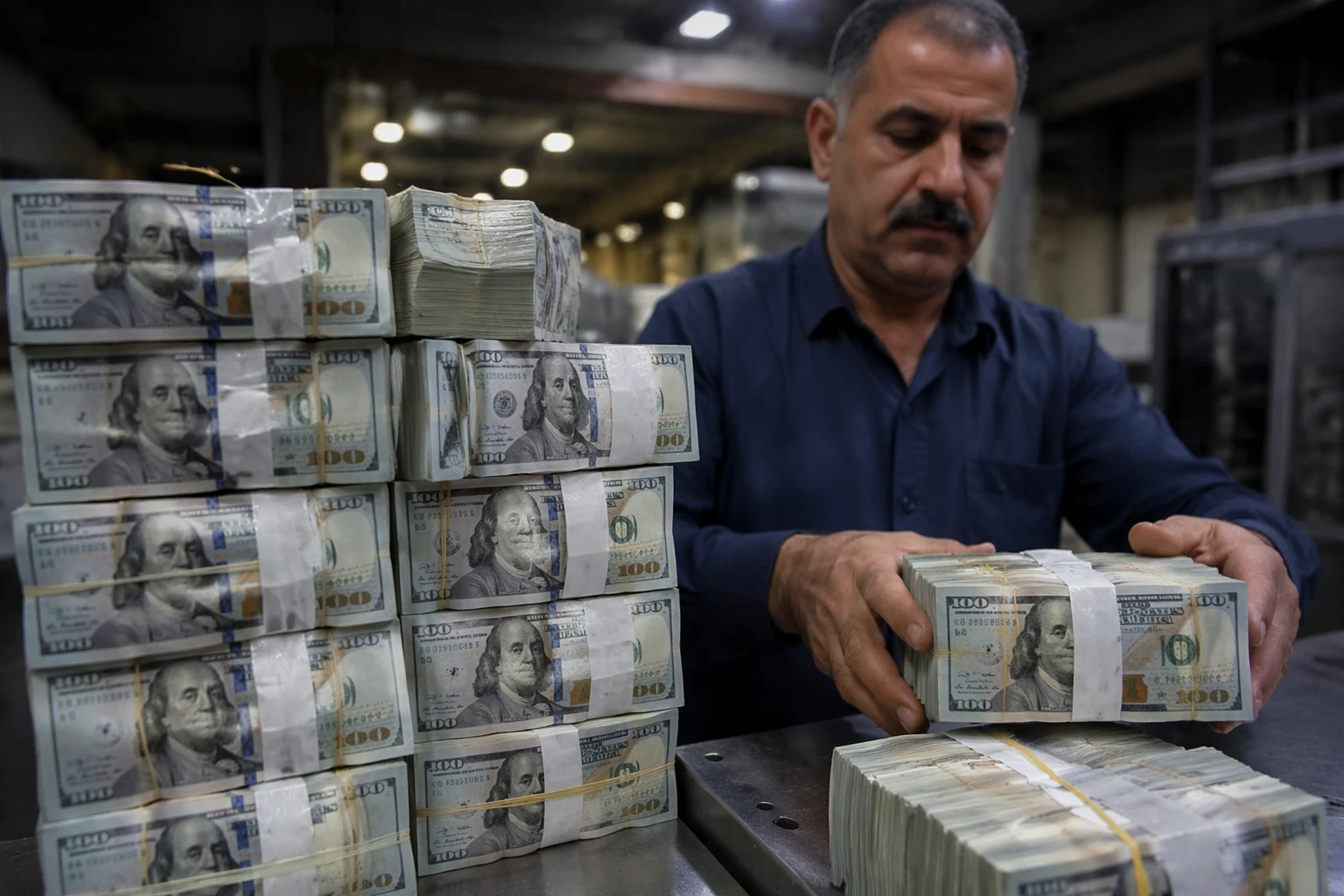
The United States resumed dollar shipments to Iraq after a months-long pause that had cut off roughly $500 million in cash deliveries and tightened pressure on Baghdad’s financial system. The restart comes after a freeze that Washington used as leverage against the Iraqi government, in an effort to push it away from Iran and curb the militias that operate with broad influence inside Iraq’s parliament and government.
The suspended shipments were not a routine banking transfer. They were cash dollars tied to Iraq’s oil revenues and routed from the Federal Reserve Bank of New York to the Central Bank of Iraq under the post-2003 system that has underpinned Iraq’s foreign-currency access since the U.S.-led invasion. Iraqi officials said the physical banknotes were used to meet everyday cash needs, including travel, medical treatment and study abroad, while electronic dollar transfers for imports and trade continued to move.
The halt landed alongside a broader pressure campaign. The Trump administration also suspended parts of its security cooperation with Baghdad, and the cash freeze came during a period of heightened regional tension linked to the Iran-Israel-U.S. conflict and weeks of militia attacks on U.S. facilities in Iraq and neighboring countries. An Iraqi central bank official said an expected April delivery never arrived and that a May shipment was uncertain, deepening anxiety inside the banking system.
The resumption now raises a sharper question than a normal financial adjustment would. If the objective was to squeeze Baghdad over Iran-backed militias, the pause exposed the limits of that pressure: Iraqi commentators and economists warned during the freeze that a prolonged interruption could worsen the currency squeeze and force the Central Bank of Iraq to draw down reserves. The return of shipments may ease pressure on the Iraqi dinar and stabilize markets, but it also suggests Washington found that constraining Iraq’s access to physical dollars could hurt Baghdad without producing an immediate political break from Tehran.
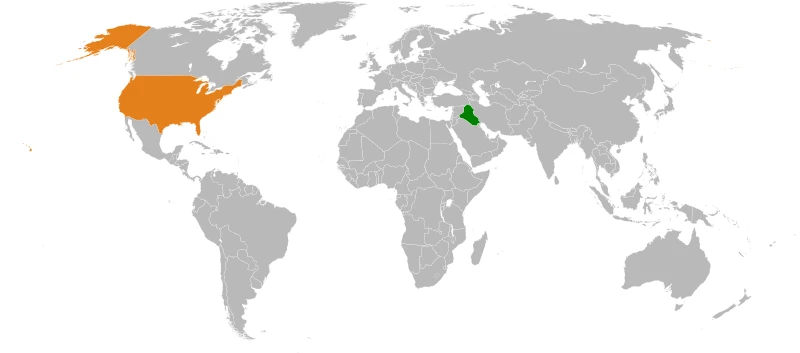
For Iraq, the issue cuts into sovereignty as much as liquidity. The country depends on cash dollars to keep parts of daily life moving, even as imports and trade continue through electronic channels. For Washington, the restart may mark a tactical reset after a pause that proved costly, or an acknowledgment that using dollar shipments as a weapon against Iran’s reach in Iraq has practical limits.
Sources
- [1]nytimes.com
- [2]usnews.com
- [3]arabnews.com
- [4]aljazeera.com
- [5]onenewspage.com
- [6]newarab.com