World
US resumes naval blockade on Iran amid Strait of Hormuz clashes
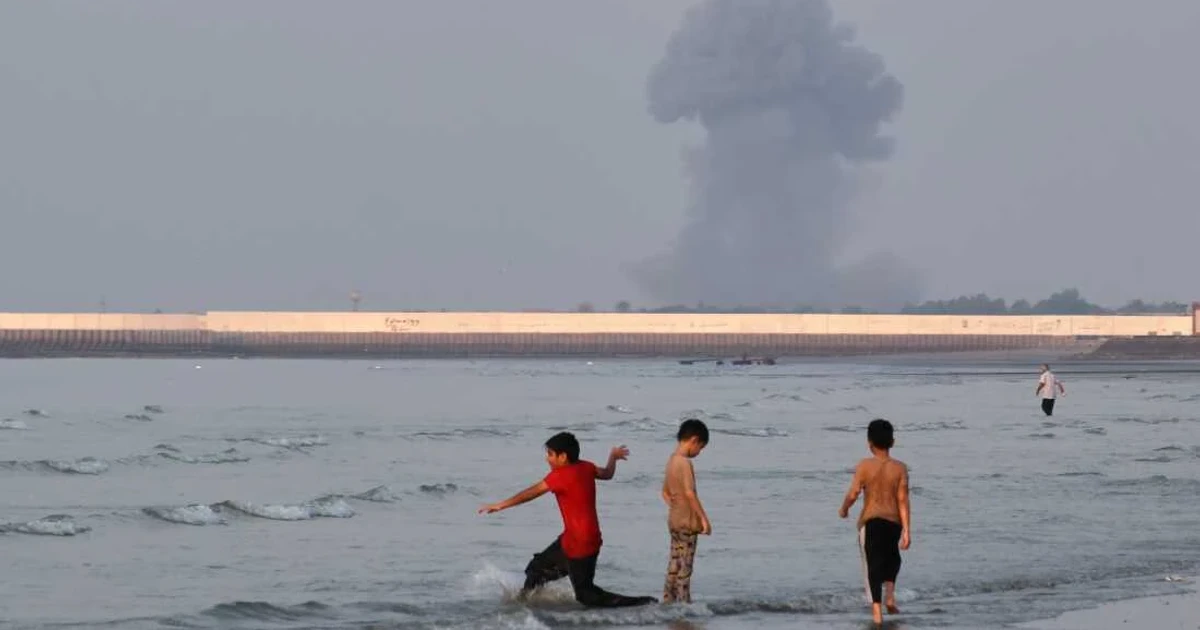
The United States resumed a naval blockade on Iran on Tuesday and broadened airstrikes as fighting around the Strait of Hormuz intensified, putting Washington closer to a wider conflict with unclear end points. U.S. Central Command said the blockade took effect at 4 p.m. ET and applied to vessels entering or leaving Iranian ports and coastal areas, regardless of flag.
The military move came after several days of clashes in and around the strait, where U.S. officials said Iranian attacks on commercial shipping triggered the response. Central Command said it launched a “series of powerful strikes” after Iranian attacks on three commercial vessels in the Strait of Hormuz. The latest round of strikes began at 3 p.m. ET on Tuesday, before the blockade resumed.
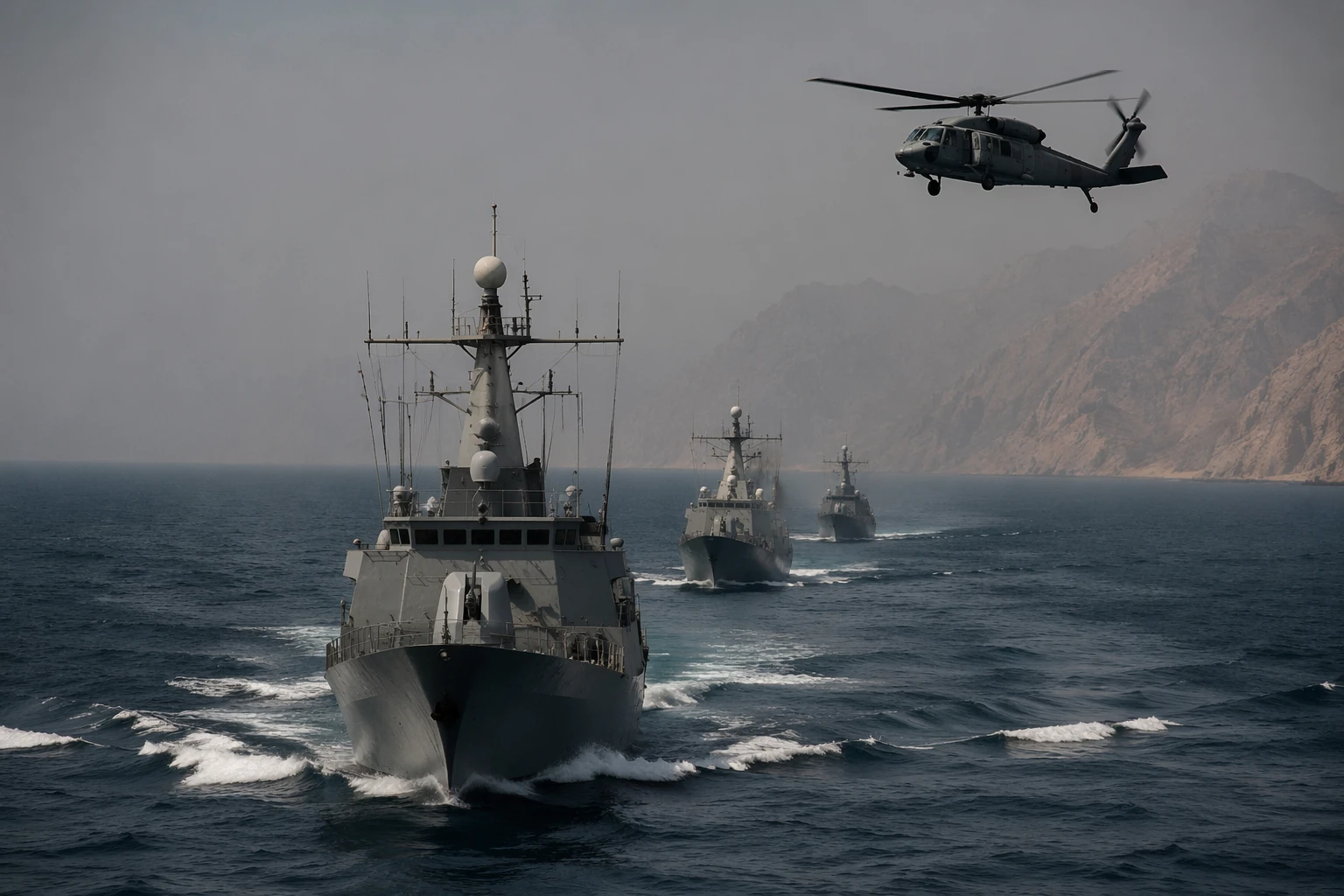
Washington said the goal was to degrade Iran’s ability to attack commercial shipping and restore security to the waterway. That message also carried a legal and diplomatic edge: the blockade was framed as a narrow maritime enforcement measure, not a blanket closure of regional waters, with traffic still allowed through waters that did not violate the blockade. President Donald Trump also called off a planned 20% fee on shipping through the strait, underscoring how quickly the crisis has moved between military pressure and economic leverage.
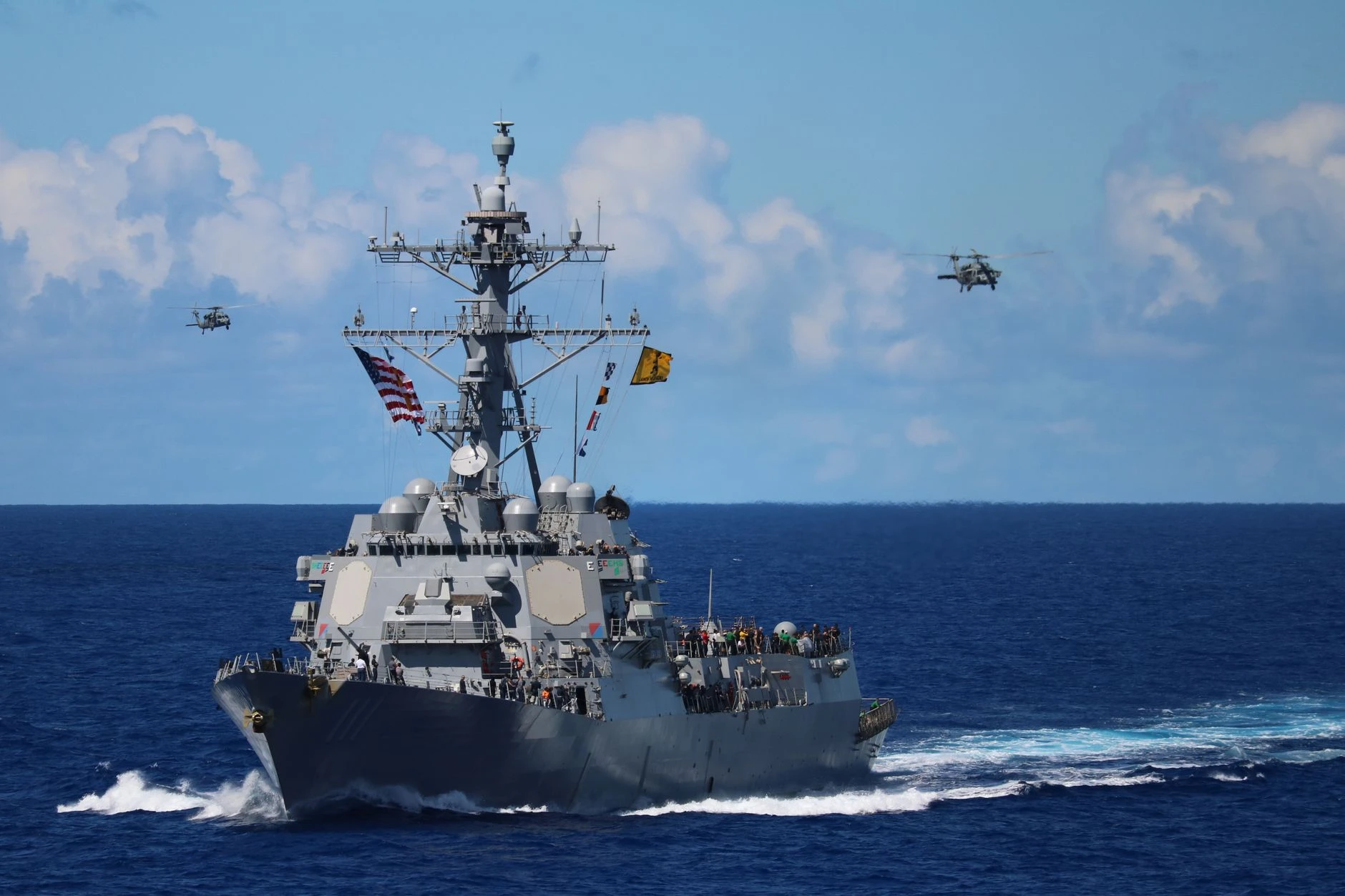
The Strait of Hormuz remains one of the world’s most sensitive oil chokepoints, and the new strikes have already rattled shipping markets and raised concern about oil prices. United Nations reporting said renewed hostilities left about 6,000 seafarers stranded aboard hundreds of vessels in the strait, as commercial traffic slowed to a near-standstill. Gulf states have stayed on high alert as missiles and drones have been intercepted amid fears the confrontation could spread.
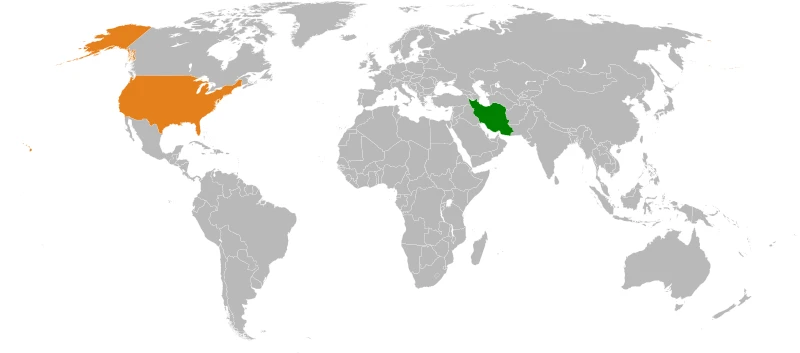
The strikes also suggest a widening target set inside Iran. Explosions were reported in Bandar Abbas and Sirik, while Iranian media reported strikes in areas including Qeshm, Kish, Abu Musa, Bushehr, Chah Bahar, Jask and Konarak. The blockade itself had already been in force from April 13 to June 18 before being resumed, signaling that Washington is trying to pressure Tehran without yet spelling out how or when the campaign ends.
Sources
- [1]cbsnews.com
- [2]navytimes.com
- [3]news.un.org
- [4]usnews.com
- [5]aljazeera.com