World
U.S. resumes strikes on Iran, Trump reinstates Strait of Hormuz blockade
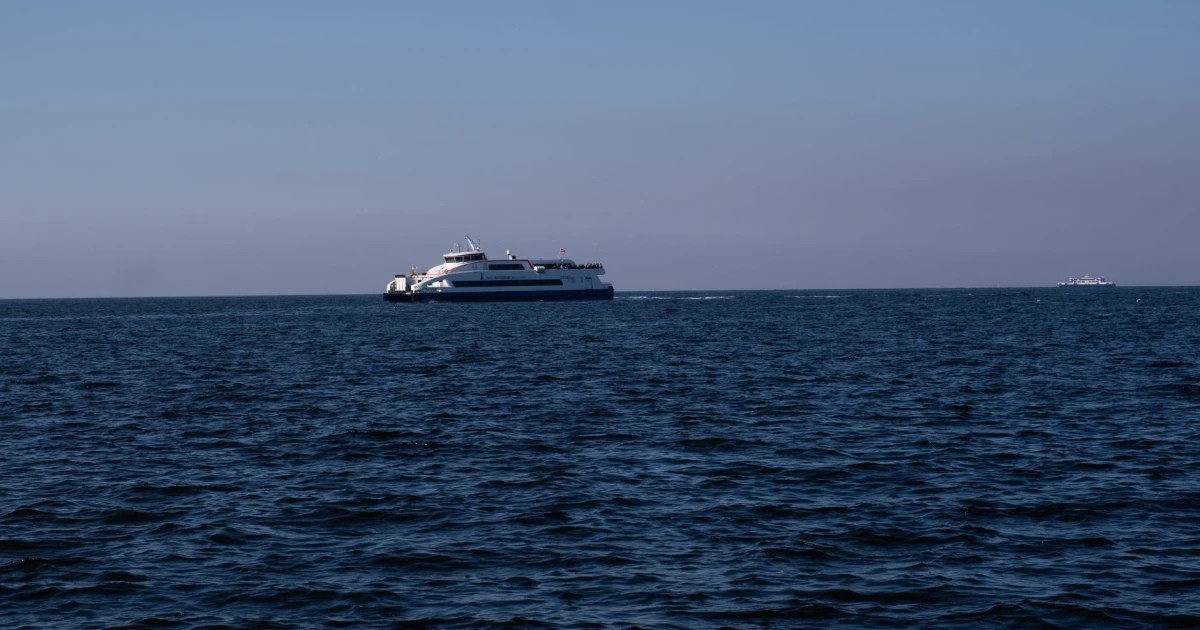
U.S. military strikes hit Iran for a third consecutive night on Monday as Donald Trump reinstated a blockade on Iranian shipping in the Persian Gulf and floated a 20 percent fee on cargo moving through the Strait of Hormuz. The combination pushed the confrontation beyond retaliatory airstrikes and into direct pressure on a waterway that carries about 20 percent of the world’s daily oil and liquefied natural gas supply.
Trump had told a radio host that Iran would be hit “very hard tonight” and “tomorrow,” and the latest round followed an earlier U.S. Central Command operation that struck more than 80 targets in Iran. Those targets included air-defense systems, coastal radar sites, anti-ship missile capabilities and more than 60 Islamic Revolutionary Guard Corps small boats near the strait, a pattern that showed the administration was hitting not only fixed military sites but also the equipment most relevant to maritime escalation.
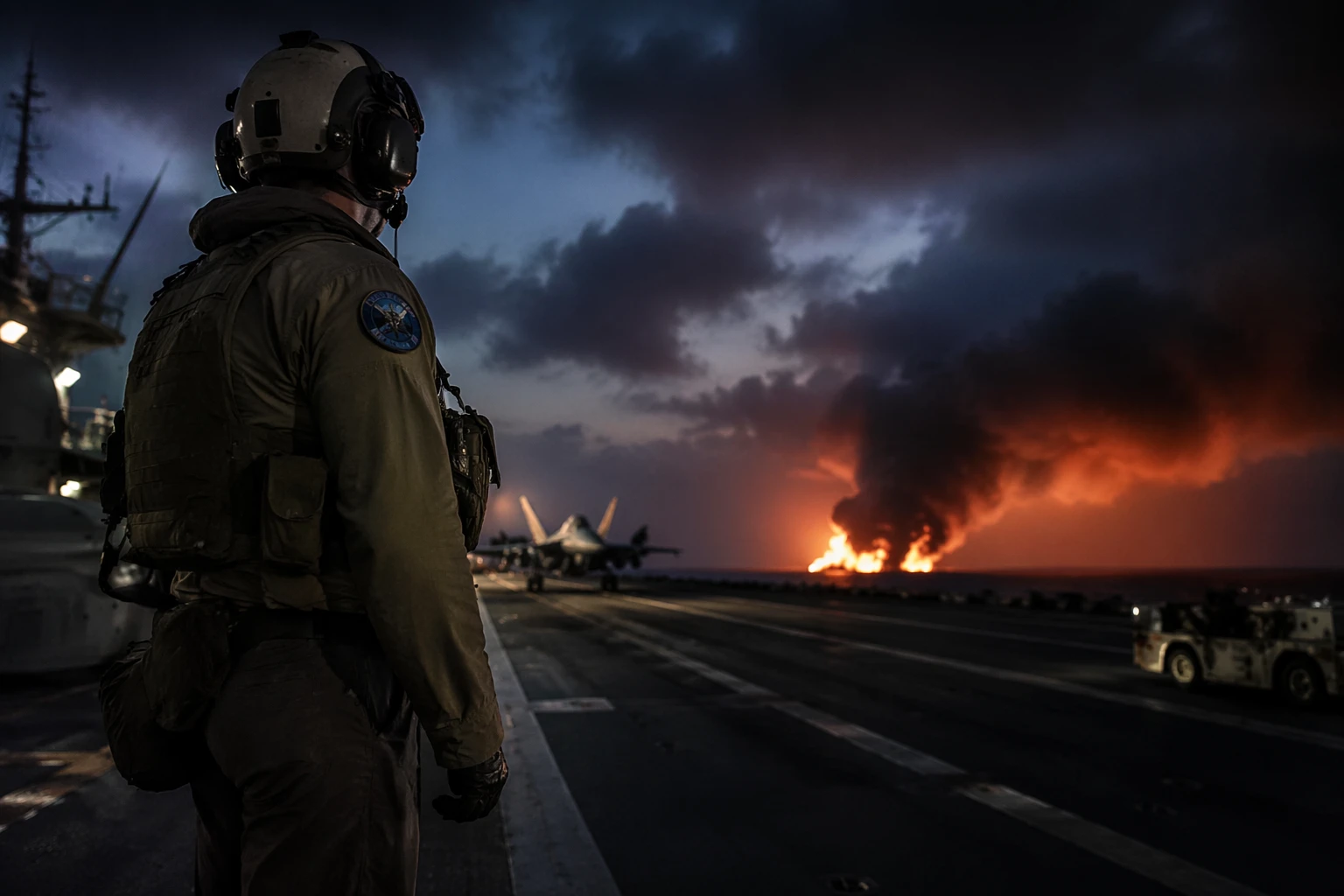
The shipping disruption has already spread through the region. UN News said renewed hostilities had left around 6,000 seafarers stranded aboard hundreds of vessels as traffic in the strait fell sharply. The International Maritime Organization called for maximum restraint and de-escalation, while Iran’s attacks and the U.S. response drove the maritime risk level higher. In the same period, two supertankers were hit and disabled after warnings to stop and after their navigation systems were turned off, and one Indian national was reported killed while eight other people were injured.
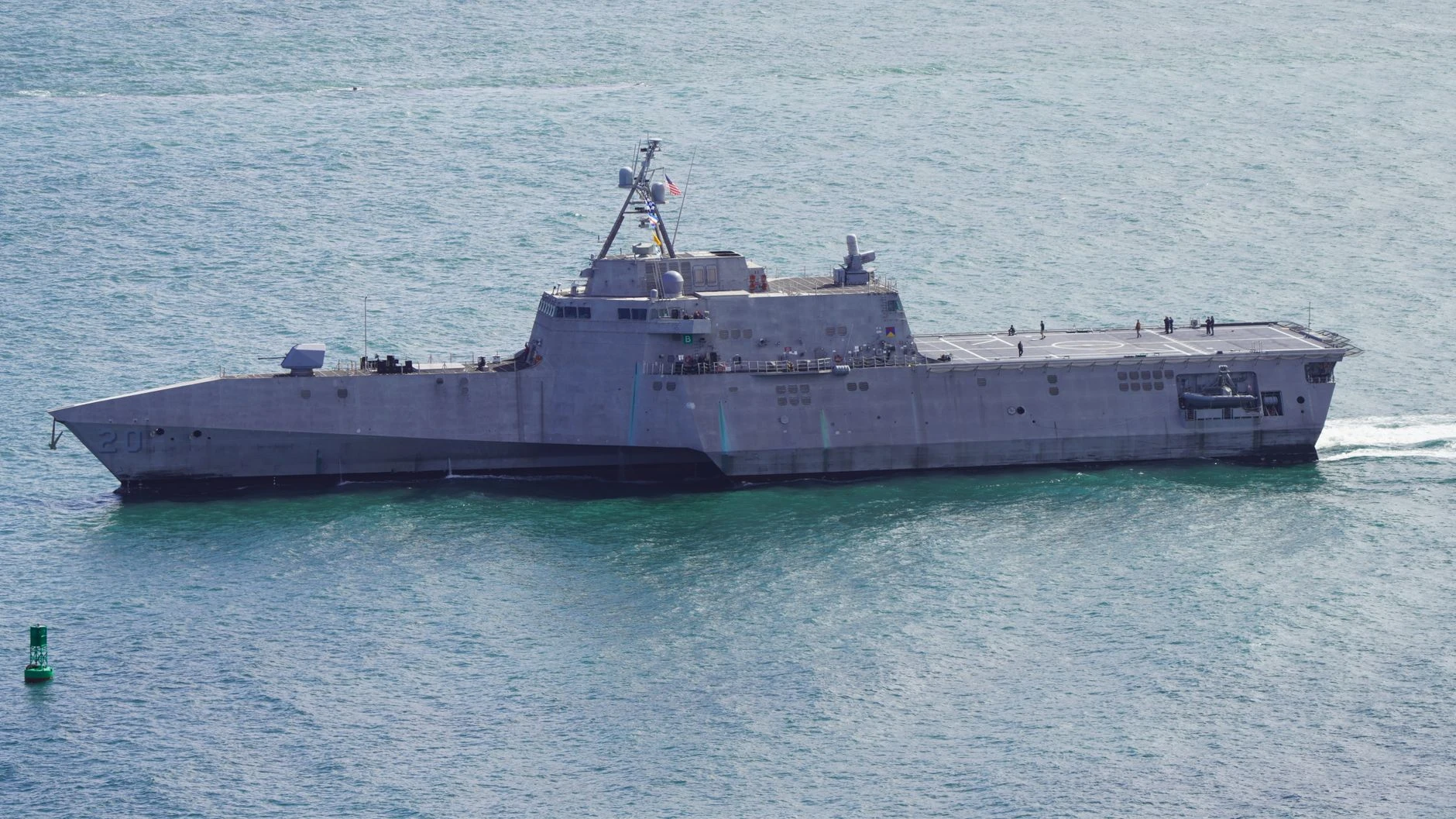
Gulf governments have moved to contain the fallout even as they condemned the attacks. Saudi Foreign Minister Prince Faisal bin Farhan held calls with counterparts in Qatar, Oman, Bahrain and Jordan, and officials in the United Arab Emirates, Bahrain, Saudi Arabia and Qatar have denounced the strikes as violations of sovereignty and international law. The widening diplomatic response reflects how quickly the crisis has moved from isolated military exchanges to a regional security emergency with commercial consequences.
The nuclear backdrop has only added to the uncertainty. The International Atomic Energy Agency said it cannot fully verify Iran’s nuclear activities because access and monitoring have been severely restricted, leaving gaps in knowledge about enriched uranium stocks, centrifuges and related equipment. The agency has also been issuing frequent public updates on possible effects on human health and the environment, even as governments in the Gulf watch for signs that the fighting could further destabilize the Strait of Hormuz and the global energy market.
Sources
- [1]news.google.com
- [2]nytimes.com
- [3]usnews.com
- [4]news.un.org
- [5]iaea.org
- [6]news.sky.com
- [7]reuters.com