Business
U.S. retail sales rise 0.9% in May as shoppers keep spending

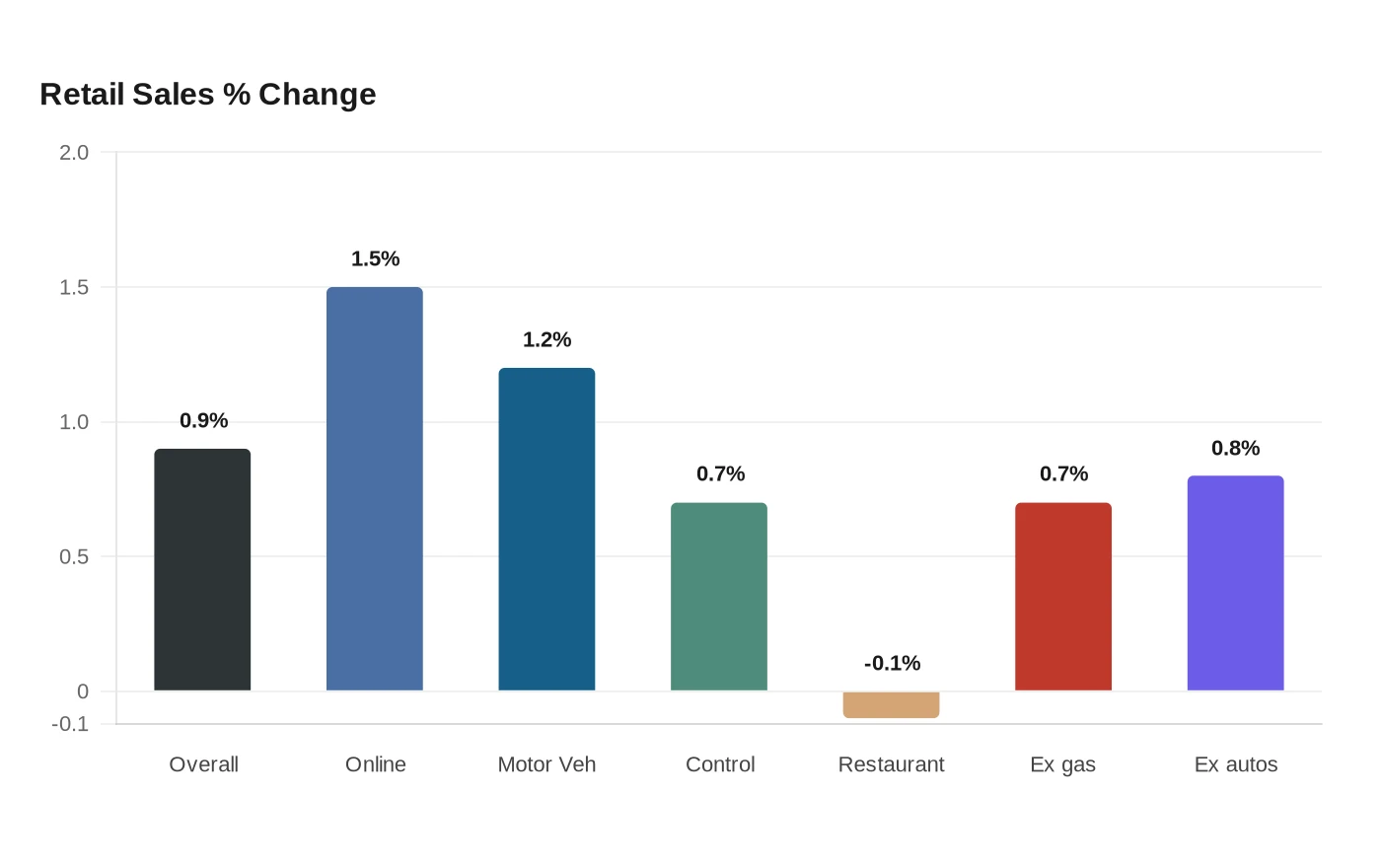
U.S. shoppers kept buying in May, lifting retail sales 0.9% to $763.7 billion and giving the economy another sign that household demand remained solid. The increase, from April and the revised 0.4% gain the month before, came even as prices stayed elevated and consumers faced a more uneven financial picture.
The strongest categories pointed to broad-based demand. Clothing, accessory and furniture stores all posted gains, online sales rose 1.5%, and motor vehicle and parts dealer sales climbed 1.2%, the largest increase in nearly a year. The control group used in gross domestic product calculations advanced 0.7%, a sign that core spending stayed firm enough to support growth in the spring.
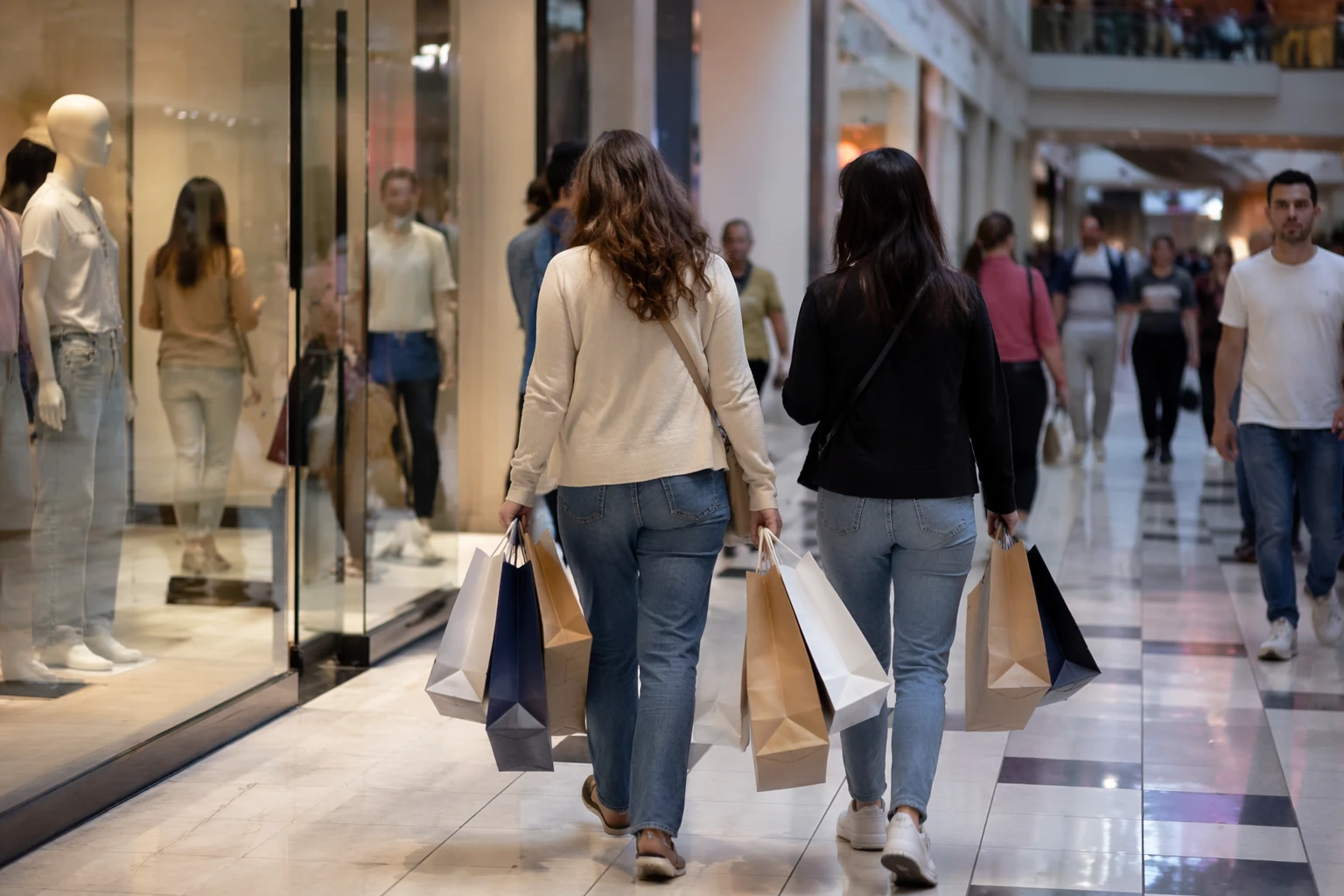
Not every part of the economy shared in the advance. Electronics and appliance stores slipped, department stores posted slight declines, and restaurant sales fell 0.1%, suggesting some families were still tightening discretionary spending. Retail sales excluding gas stations rose 0.7%, while sales excluding autos gained 0.8%, reinforcing the picture of steady but selective demand. Sales for the March-through-May period were up 5.3% from the same stretch a year earlier.
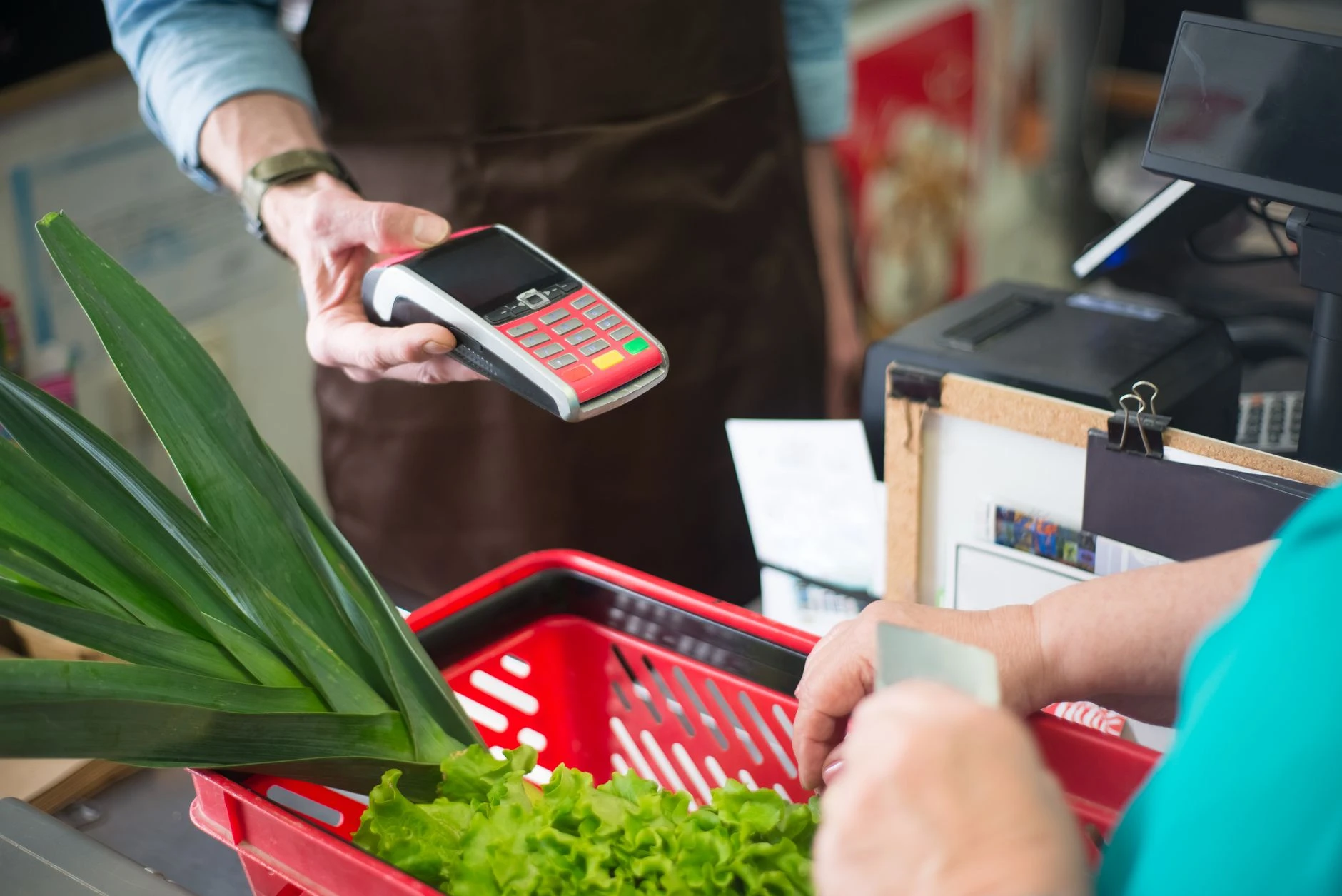
Because the Census Bureau does not adjust the retail sales report for price changes, some of May’s increase likely reflected higher prices rather than a bigger volume of goods sold. One market commentary estimated inflation-adjusted retail sales rose 0.4% in May, still a respectable pace but one that leaves open the question of how durable the momentum will be. Economists said larger tax refunds in April and May helped cushion households, but that boost is beginning to fade. Recent job gains also helped support spending, even as uncertainty around inflation and interest rates persisted.
The figures matter because consumer spending drives most U.S. growth, and as long as households keep buying, the economy can keep expanding. Still, the split in May between stronger auto and online demand and weaker restaurant and department store traffic suggests many families are stretching to maintain their pace. The next monthly retail sales report is scheduled for July 16, 2026, and it will show whether May’s strength was the start of a summer run or the last push from refunds and a resilient job market.
Sources
- [1]usnews.com
- [2]census.gov
- [3]weareiowa.com
- [4]money.usnews.com
- [5]kpmg.com
- [6]bankingjournal.aba.com
- [7]mtsinsights.com