World
U.S. retaliates after Iran helicopter claim as Israel hits Lebanon
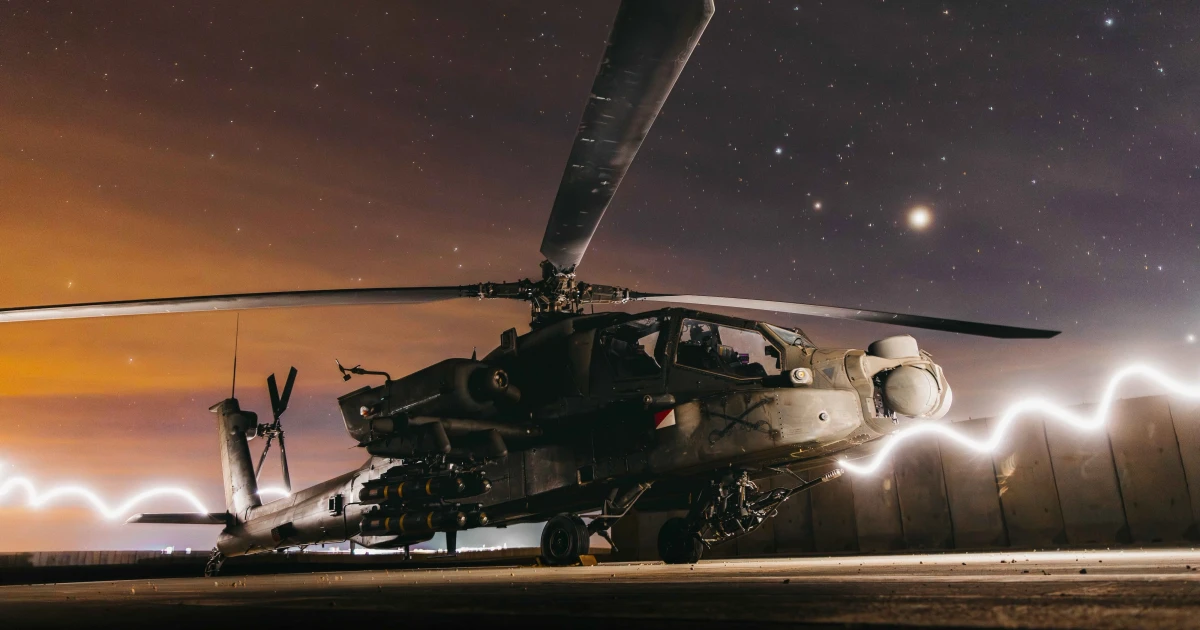
A U.S. Army AH-64 Apache went down near the coast of Oman while patrolling regional waters, and two crew members were pulled to safety within about two hours. The episode immediately became part of a wider escalation: President Donald Trump said he had been told Iran shot down the helicopter and said the United States “must, of necessity, respond.”
The military account was narrower than the political one. U.S. Central Command said the cause of the incident was still under investigation and confirmed only that the soldiers were rescued in stable condition. CENTCOM said the recovery involved U.S. Naval Forces Central Command, the 82nd Airborne Division, U.S. Air Force and Navy units, including Task Force 59. In what appears to have been a first for the U.S. military, a U.S. Navy surface drone helped find and rescue the crew.
Trump told supporters the two pilots were safe and uninjured, but his claim that Iran had shot down the aircraft pushed the crisis into a more dangerous phase. The helicopter was operating near the Strait of Hormuz, a waterway where even a limited exchange can quickly raise the stakes for U.S. troops, commercial shipping and oil flows through the Persian Gulf and Gulf of Oman.
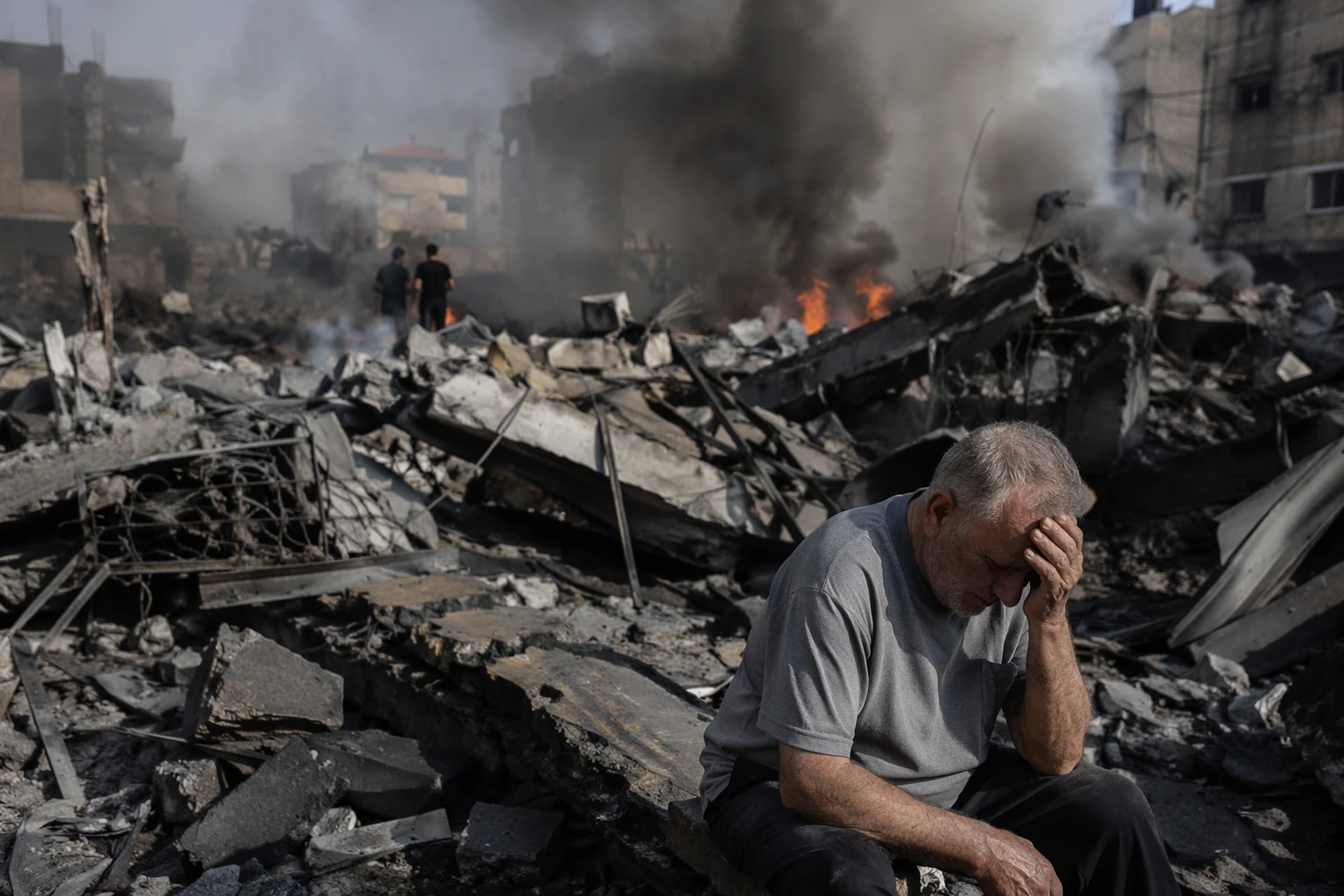
At the same time, Israeli forces were pounding southern Lebanon and striking Hezbollah positions, with one of the heaviest blows landing in Tyre. The Lebanese health ministry said at least eight people were killed there after Israel issued an evacuation order for the entire city for the first time. It was one of the deadliest bombing raids on Tyre since the war between Israel and Hezbollah erupted on March 2. Across southern Lebanon, Israeli attacks killed at least 17 people and forced thousands to flee.
The sequence has left little room for de-escalation. Trump had said days earlier that a deal with Iran was in the “final throes” and could come in “two or three days,” but the helicopter incident, the U.S. retaliation and the strikes in Lebanon all pointed the other way. Iranian state media and officials said Iran would respond to the U.S. military action, setting up the most likely next 48 hours as a test of whether that response comes through direct fire, proxy attacks or pressure on regional shipping. Any of those paths would deepen the threat to U.S. forces and add fresh volatility to oil markets already bracing for a wider regional war.
Sources
- [1]nytimes.com
- [2]centcom.mil
- [3]msn.com
- [4]yahoo.com
- [5]al-monitor.com