Science
U.S.-Russian crew docks at International Space Station after Baikonur launch
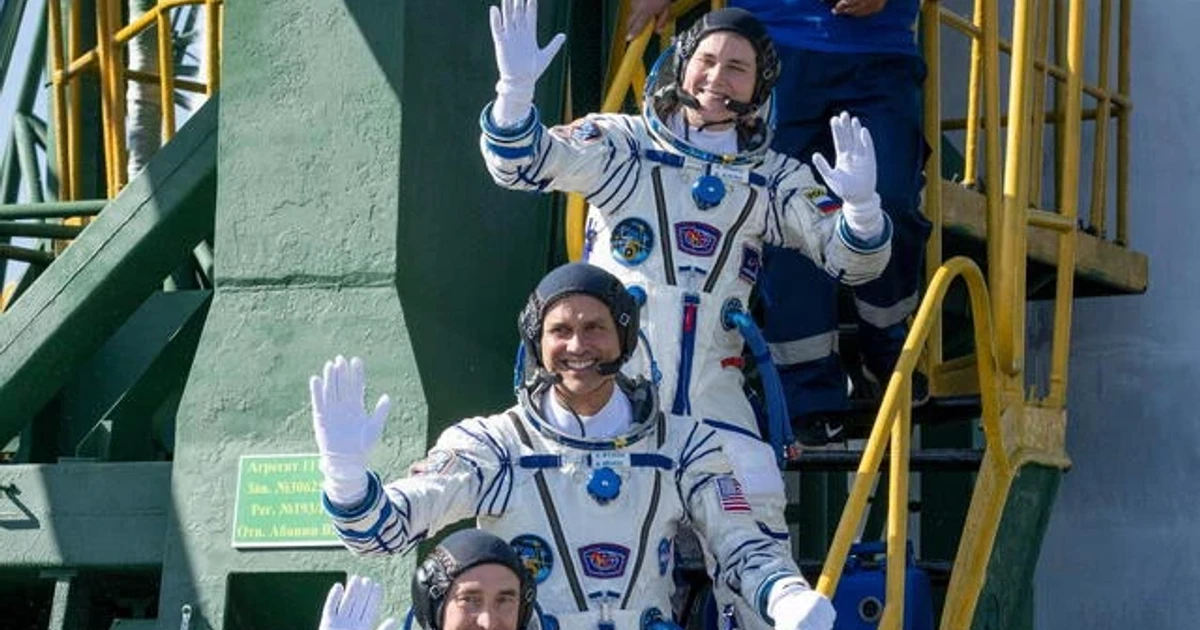
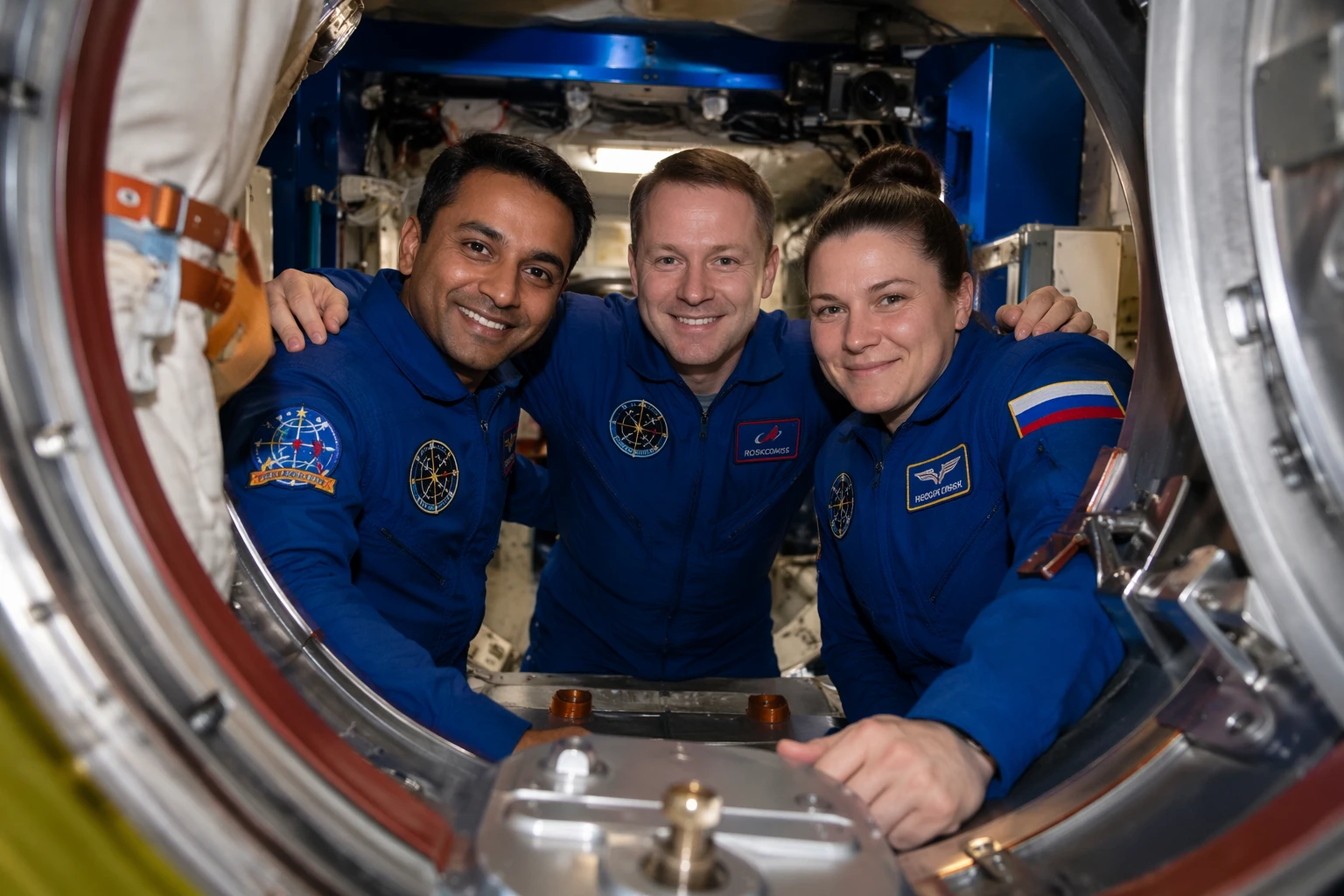
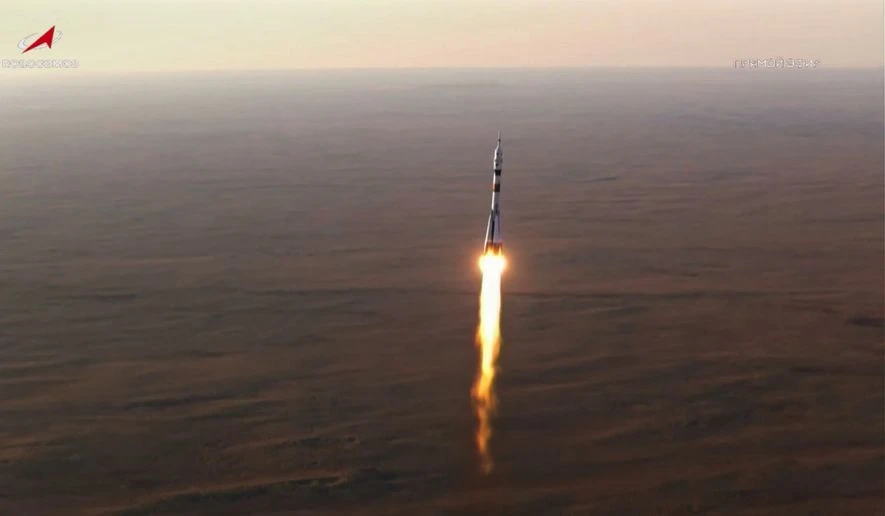
NASA astronaut Anil Menon and Roscosmos cosmonauts Pyotr Dubrov and Anna Kikina reached the International Space Station on Tuesday after a Soyuz MS-29 launch from the Baikonur Cosmodrome in Kazakhstan, adding another joint flight to one of the few working channels left between Washington and Moscow. The spacecraft lifted off at 10:47 a.m. EDT, then docked automatically with the station’s Prichal module at 1:52 p.m. EDT after a three-hour, two-orbit trip.
Menon, on his first trip to space, was assigned as a flight engineer for the mission and will spend about eight months aboard the orbiting laboratory as part of Expedition 75. Dubrov and Kikina were making their second flights. The arrival expanded the station’s population to 10 for roughly two weeks, until part of the current crew begins to cycle home and the Expedition 74 handover starts to give way to Expedition 75.
The launch carried diplomatic weight as well. NASA Administrator Jared Isaacman traveled to Baikonur for the flight, the first visit by a NASA chief to the Russian launch site in eight years. Before liftoff, Isaacman met Roscosmos chief Dmitry Bakanov and later saw Russian deputy prime minister Denis Manturov. Manturov’s office said the talks covered possible cooperation on the International Space Station and other projects, while Isaacman thanked Roscosmos for the work that prepared the mission and praised the professionalism behind it.

The flight underscored a hard practical truth about the station: even as the broader U.S.-Russia relationship remains strained by Russia’s war in Ukraine, both sides still depend on each other to keep the complex staffed and operating. NASA’s Expedition 74 began on Dec. 8, 2025, and is scheduled to end in summer 2026, placing the new Soyuz crew into a tightly managed rotation that keeps the station continuously occupied. Roscosmos had said in early July that Soyuz MS-29 was being prepared for the program of the 75th long-duration expedition, with launch planned for mid-July.
Sources
- [1]usnews.com
- [2]nasa.gov
- [3]roscosmos.ru
- [4]apnews.com