US News
US-Russian crew returns safely to Earth after eight months in space
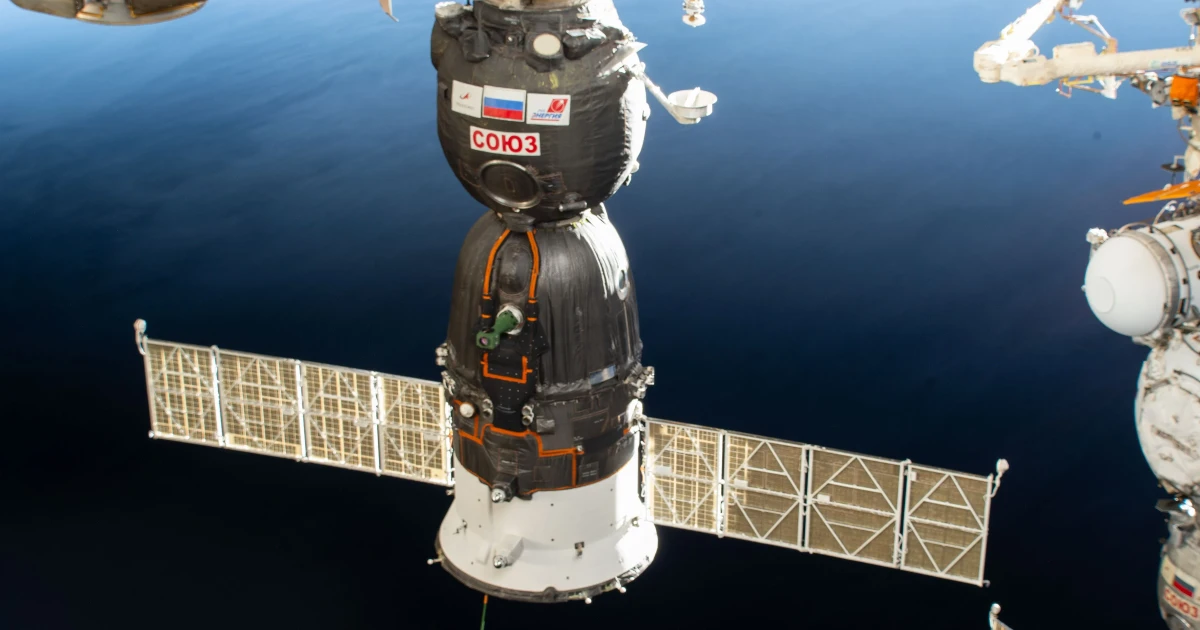
NASA astronaut Chris Williams and Roscosmos cosmonauts Sergey Kud-Sverchkov and Sergei Mikaev returned safely to Earth on Sunday after roughly 241 days aboard the International Space Station. Their Soyuz MS-28 capsule completed a parachute-assisted descent to Kazakhstan, closing a mission that began with a launch from the Russia-leased Baikonur cosmodrome on Nov. 27, 2025.
The flight underscored how the ISS remains one of the few major U.S.-Russian projects still functioning as designed. The station is run through an international partnership that includes the U.S., Russia, Europe, Japan and Canada, and the latest crew rotation again showed that joint operations in orbit can continue even as relations on Earth remain deeply strained.
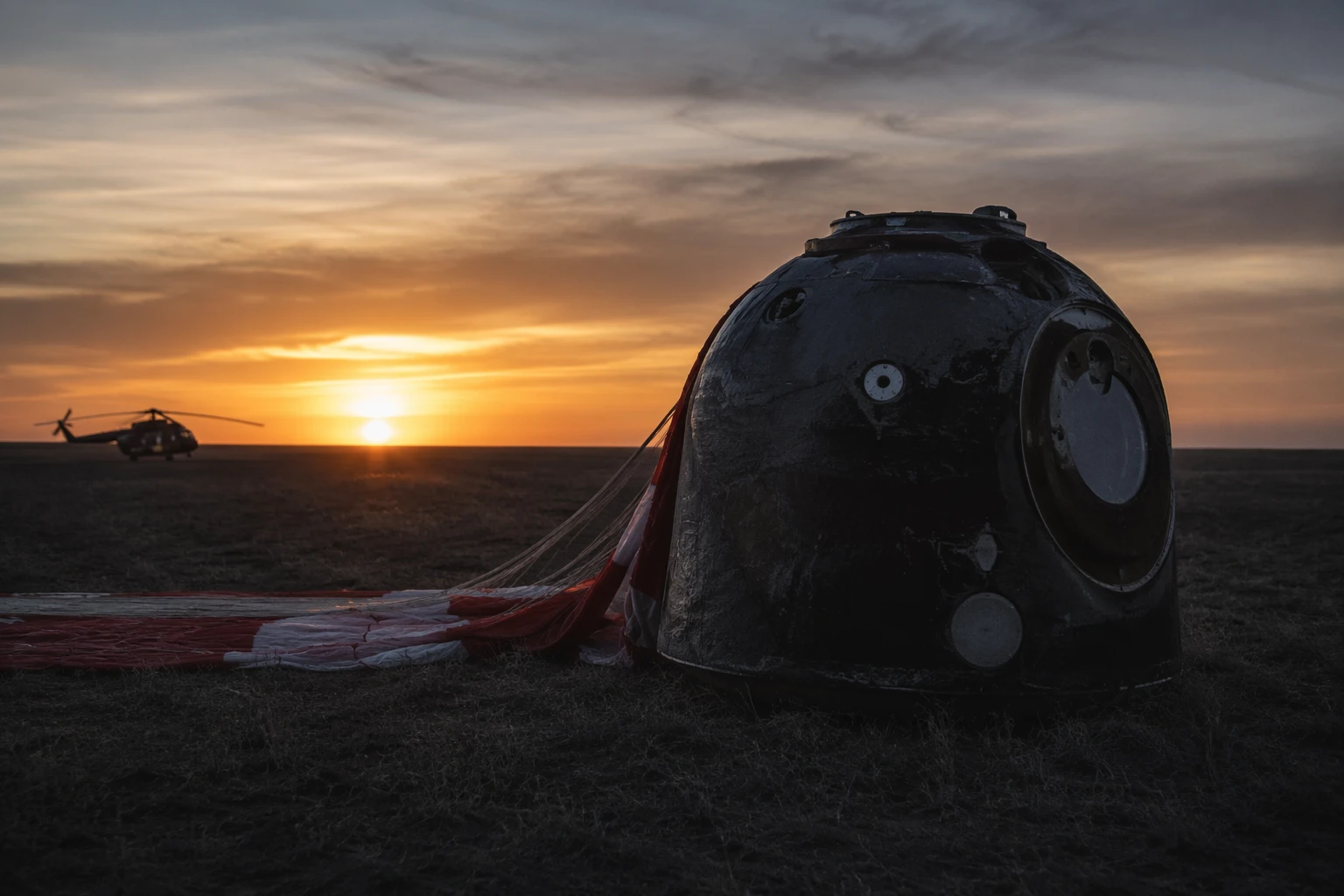
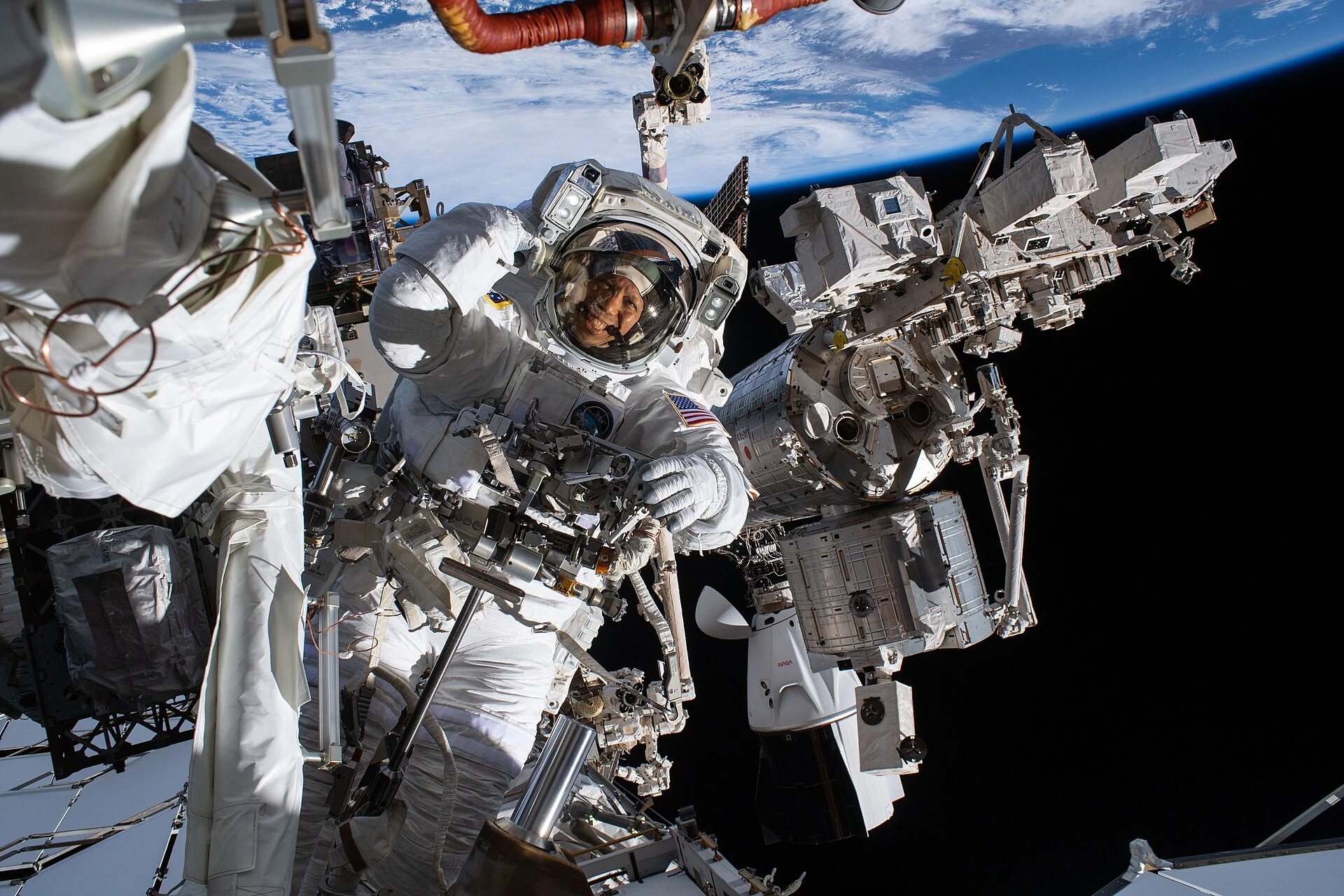
NASA said the three-member crew undocked from the Rassvet module, marking the start of Expedition 75. Williams' time aloft was tied to a broad research agenda that included human research, spacewalk support and other station investigations aimed at improving technology, healthcare on Earth and planning for future Moon and Mars missions.
The crew's return also came against a backdrop of operational pressure on the station. A Reuters report on June 5 noted that NASA had reversed an evacuation alert related to an ISS air leak, a reminder that even routine rotations unfold in a high-stakes environment where engineering decisions can ripple across the whole outpost. The November arrival of Williams, Kud-Sverchkov and Mikaev had already placed them inside that tense period.
For Washington and Moscow, the safe landing carries a practical message as much as a symbolic one. Soyuz remains a critical ride to and from the station, and the mission showed that ISS-era cooperation still has strategic value because it gives both sides a working framework for transport, crew safety and shared science. At the same time, the flight also exposed the limit of that partnership: collaboration in orbit can survive, but it does not erase confrontation on the ground.
Sources
- [1]news.google.com
- [2]reuters.com
- [3]nasa.gov
- [4]apnews.com