World
U.S. says Belarus prisoner releases face delay, opposition warns
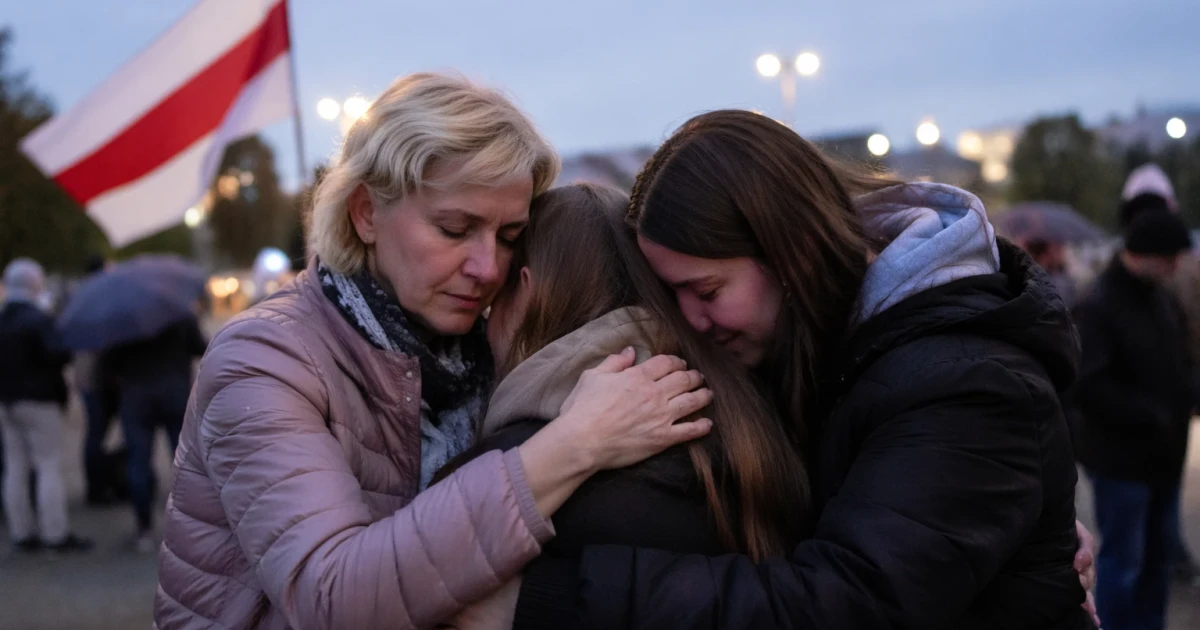
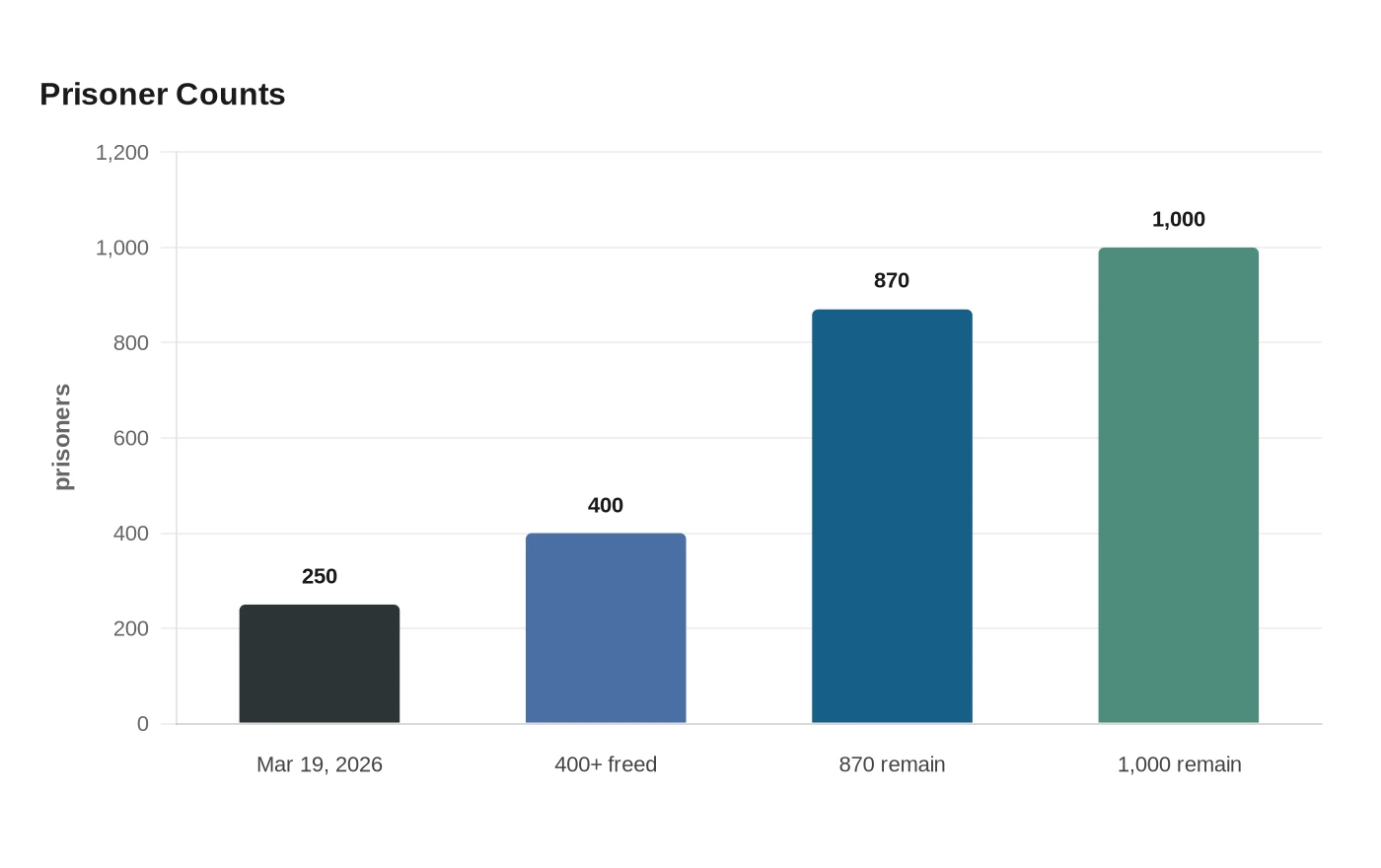
The Trump administration has told Belarus’s exiled opposition that the effort to win more political prisoner releases from Alexander Lukashenko’s government has been pushed back, a sign that Washington’s leverage over Minsk remains limited even after months of dealmaking. Sviatlana Tsikhanouskaya said she was informed the next releases were postponed for a while, a delay that comes after the process had already secured the freedom of more than 400 prisoners.
The pause matters because the current channel has depended on a narrow set of tools: direct engagement, selective sanctions relief and the personal involvement of U.S. envoy John Coale. Washington has already used sanctions easing as bargaining leverage, including Belarus General License 13 on December 15, 2025, which authorized certain transactions involving Belarusian Potash Company, Agrorozkvit LLC and Belaruskali OAO, and General License 14 on March 26, 2026, which expanded permissions involving Belinvestbank and other entities. Those steps helped create momentum, but they also show the constraint at the heart of the strategy: the United States can incentivize releases, not command them.
Belarus freed 250 prisoners on March 19, 2026, its largest batch so far, in a deal tied to further easing of U.S. sanctions. Reuters-based reporting has also said Coale had discussed the possibility of releasing roughly 1,000 remaining political prisoners over time, a scale that highlights both the ambition of the talks and how far they still have to go. Viasna said nearly 870 political prisoners remained behind bars when the delay emerged, including many considered especially vulnerable because of age, illness or harsh detention conditions.
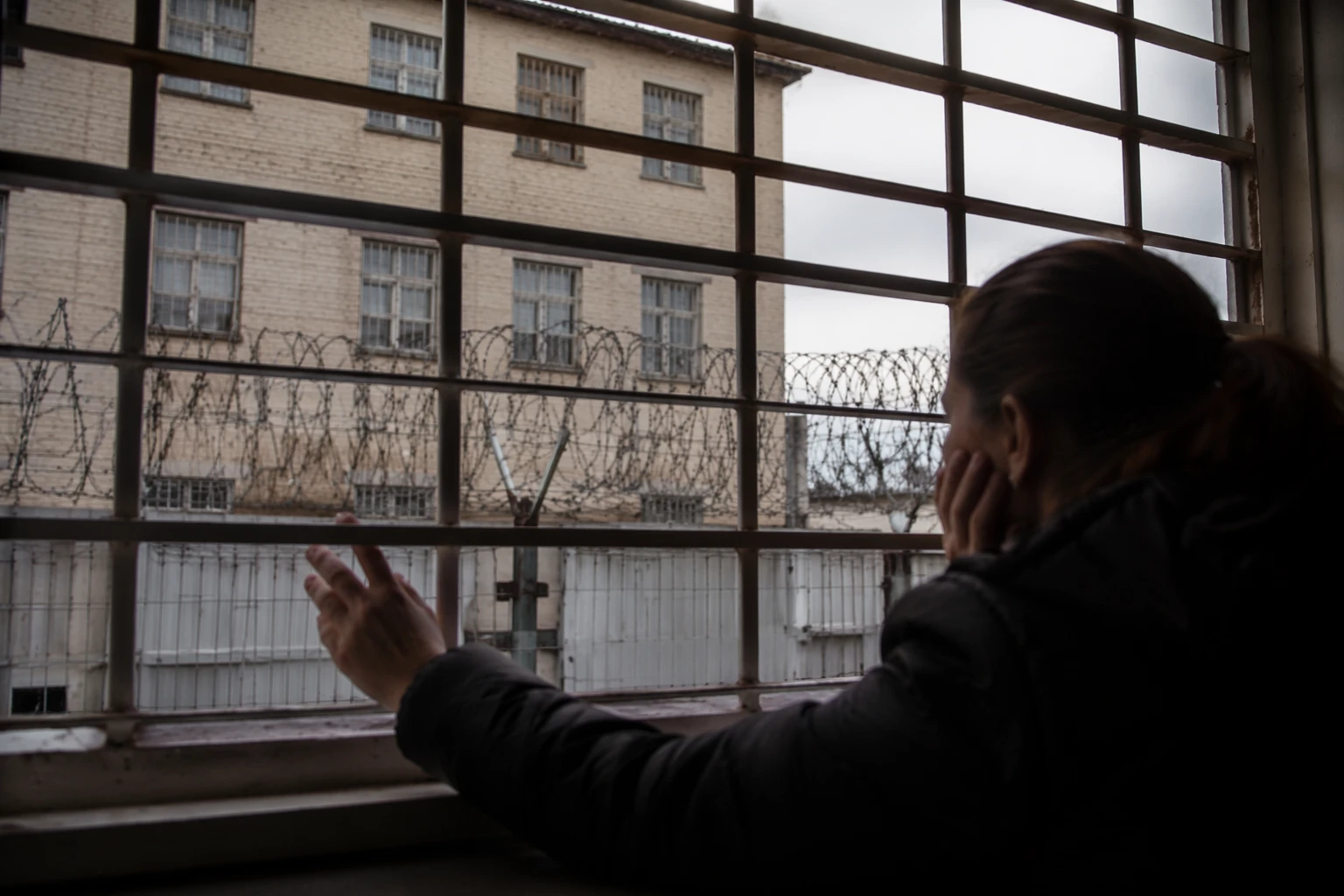
The human cost of slowing the process is immediate. Tsikhanouskaya said delays can worsen conditions for those still inside Belarusian prisons, where families are often left without clear timelines and prisoners remain exposed to isolation and medical neglect. UN human rights experts said on June 2, 2026, that they were gravely concerned about continued detention, alleged ill-treatment, prolonged solitary confinement, incommunicado detention, denial of family contact and lack of adequate medical care.
The broader backdrop is one of sustained repression rather than reform. The State Department notes that Belarus released its six remaining political prisoners in August 2015 and then received limited sanctions relief, a reminder that prisoner diplomacy has been used before, but only in tightly bounded circumstances. Freedom House said Viasna has recorded nine political prisoners dying in custody and more than 8,000 politically motivated convictions since 2020, underscoring the stakes of every delay.
For Washington, the Belarus channel has produced tangible results. It has not, so far, produced durable control over Lukashenko’s timetable. That gap is what leaves the opposition on edge, and what turns diplomatic pauses into real-time suffering for the people still held in Belarusian cells.
Sources
- [1]usnews.com
- [2]rferl.org
- [3]ofac.treasury.gov
- [4]ohchr.org
- [5]2021-2025.state.gov
- [6]state.gov
- [7]freedomhouse.org