World
US says Iran deal would destroy enriched uranium, details unresolved
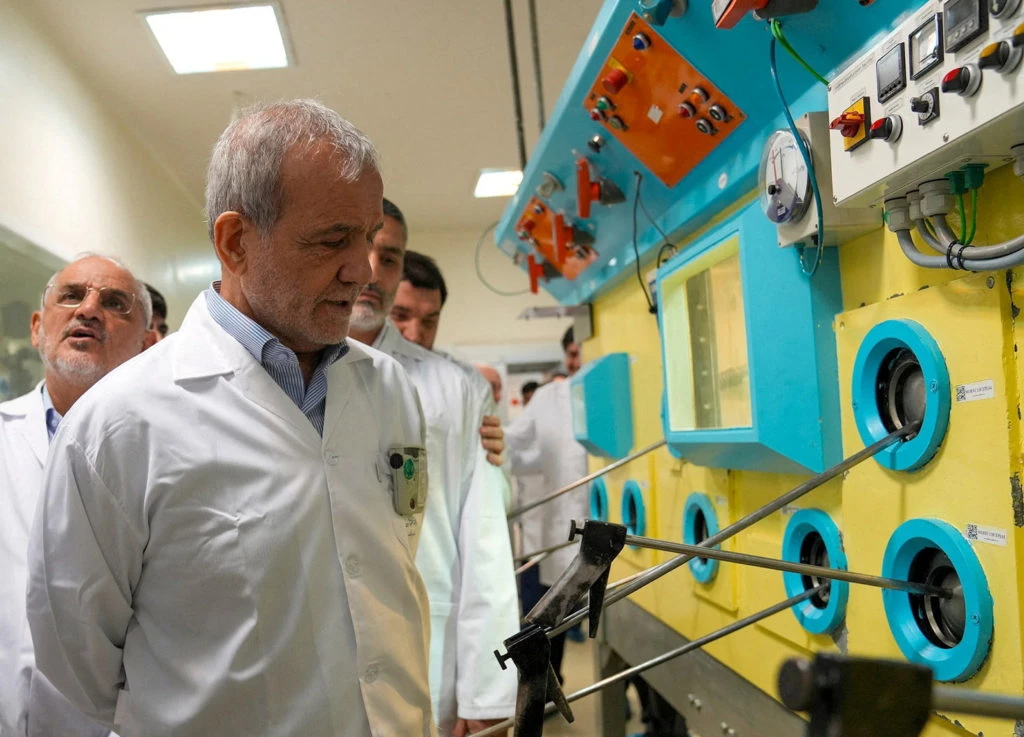
The fate of Iran’s enriched uranium has become the central test of whether any new deal can survive scrutiny. U.S. officials say an agreement would lead to the destruction of the material, but the mechanics are still unsettled, and the verification gap is widening as inspectors remain unable to account for a stockpile the International Atomic Energy Agency put at 440.9 kilograms of uranium enriched up to 60 percent on the eve of the June 2025 attacks.
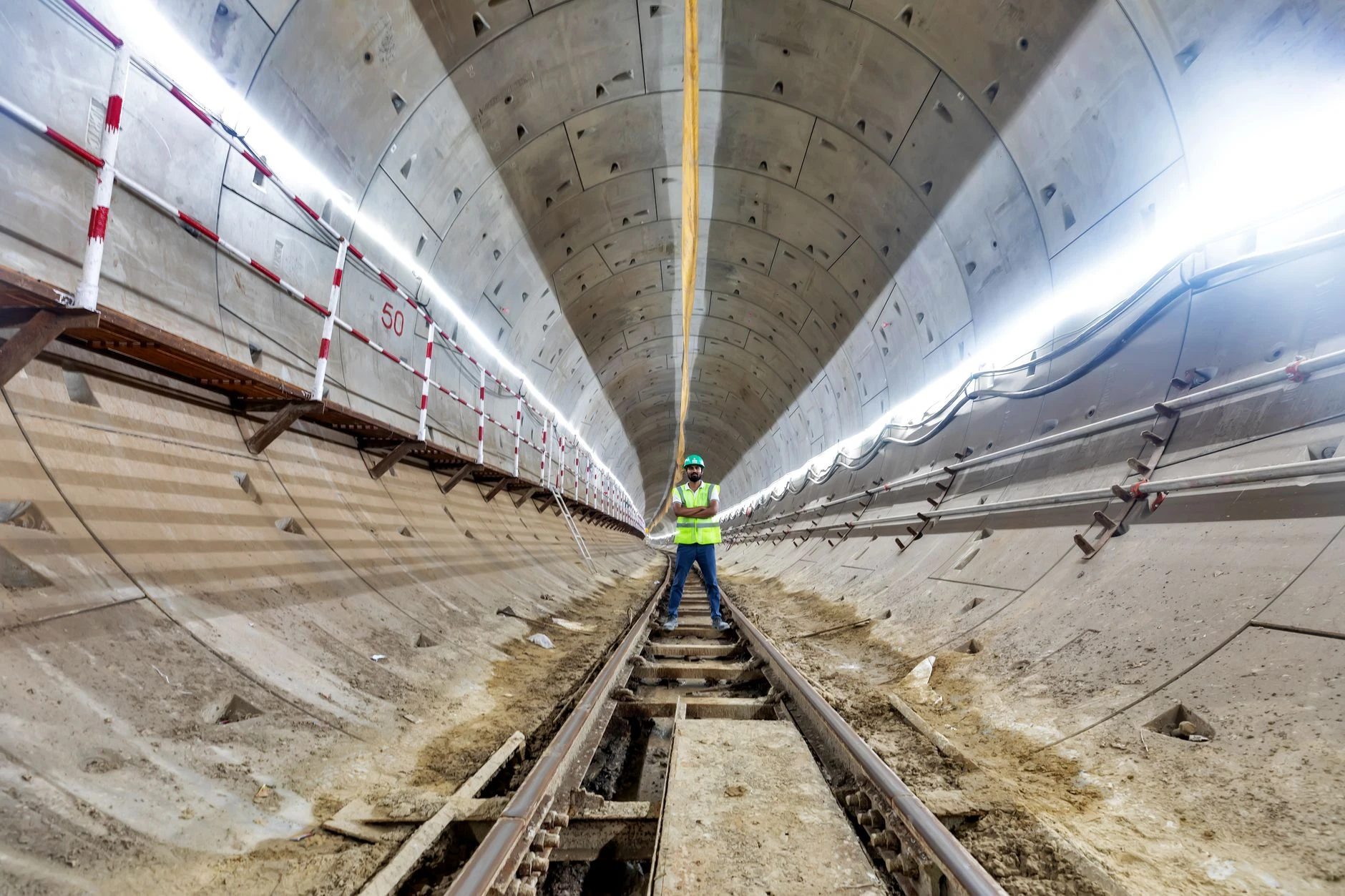
That number matters because 60 percent enrichment is already close to weapons-grade, and the IAEA has said it has not been able to verify the material’s fate since Iran suspended cooperation after strikes on its main nuclear sites at Fordow, Natanz and Isfahan. Without access to those sites and to the remaining stockpile, the agency cannot say whether the uranium was moved, hidden, diluted or destroyed, leaving negotiators to argue over promises that cannot yet be independently checked.

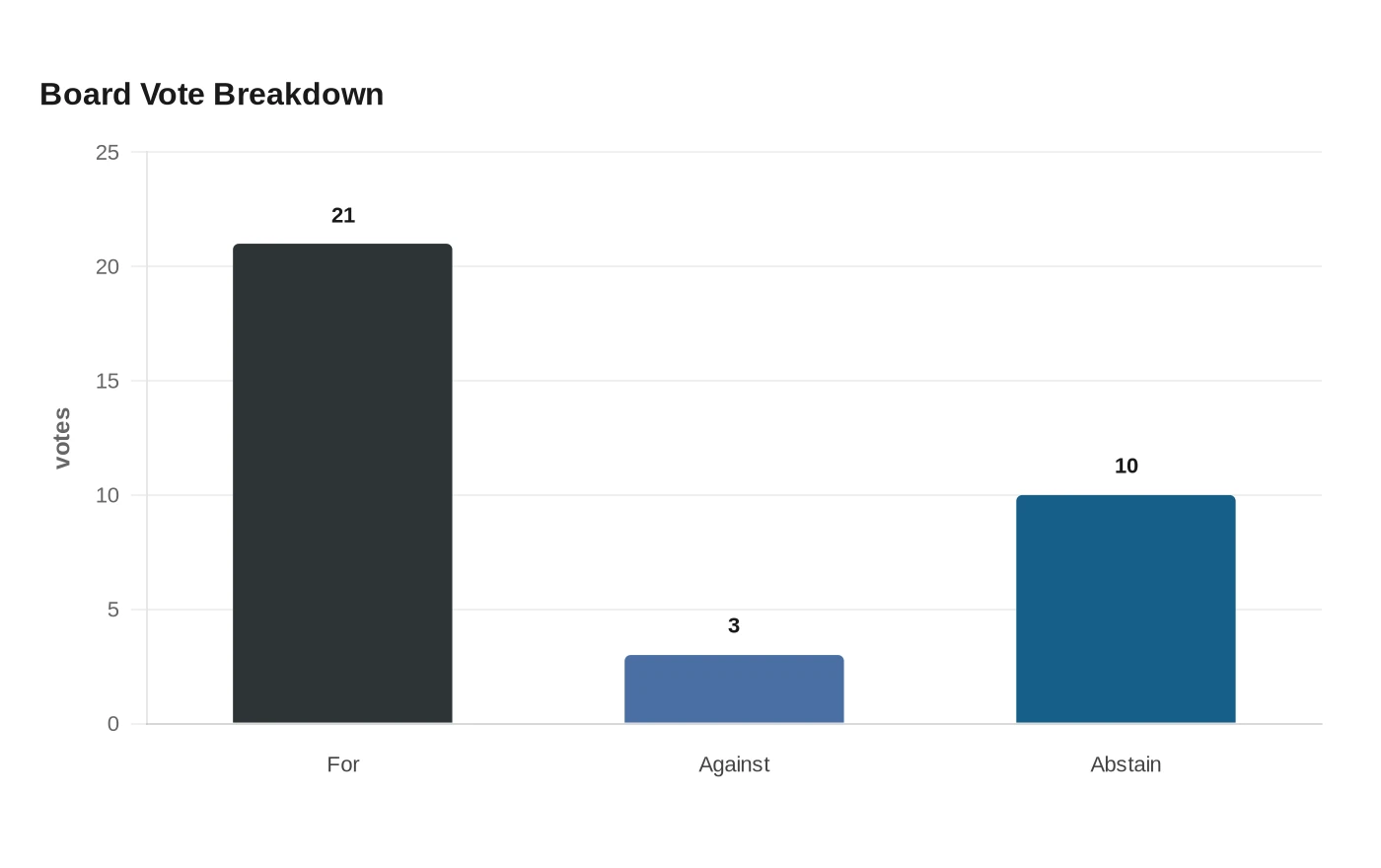
The pressure sharpened on June 10, 2026, when the IAEA’s 35-member Board of Governors adopted a U.S.-backed resolution demanding that Iran declare its remaining enriched-uranium stocks and grant inspectors access without delay. The vote passed 21-3 with 10 abstentions. Russia, China and Niger voted against it. The United States, the United Kingdom, France and Germany, which submitted the resolution, said Iran’s actions threaten the integrity of the global safeguards regime.
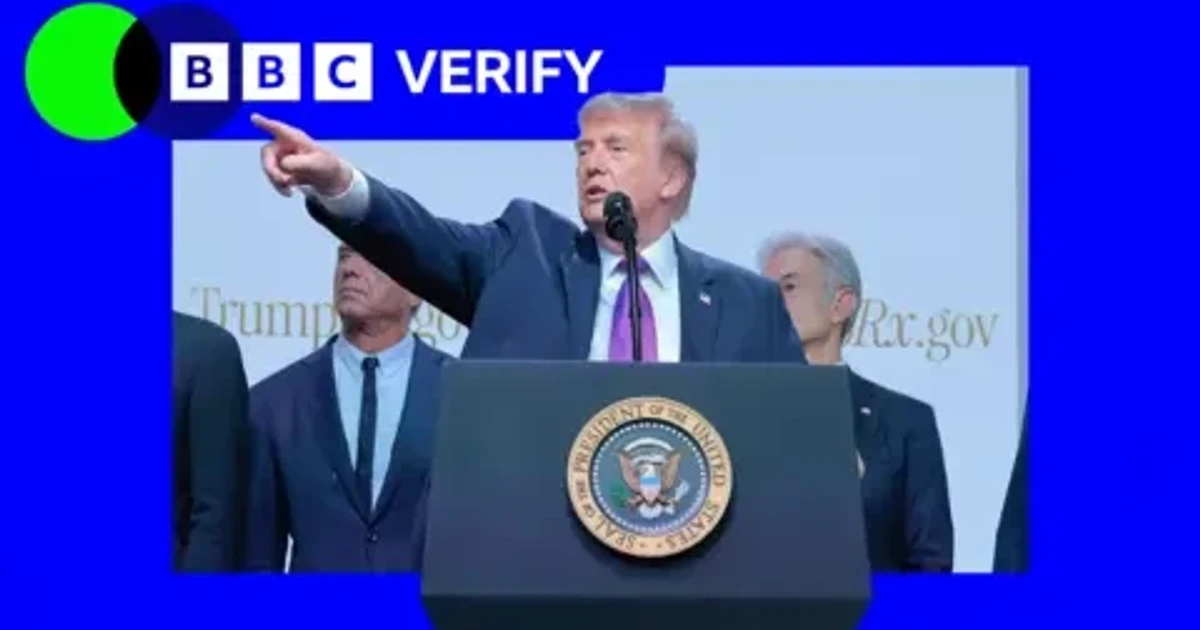
Donald Trump said on June 4, 2026, that Washington did not need a deal with Iran to get enriched uranium from the country and described the material as “entombed.” He also said a deal could still lead to a meeting with Iranian leaders, keeping diplomacy alive even as the technical dispute over inventory, monitoring and disposal remained unresolved.
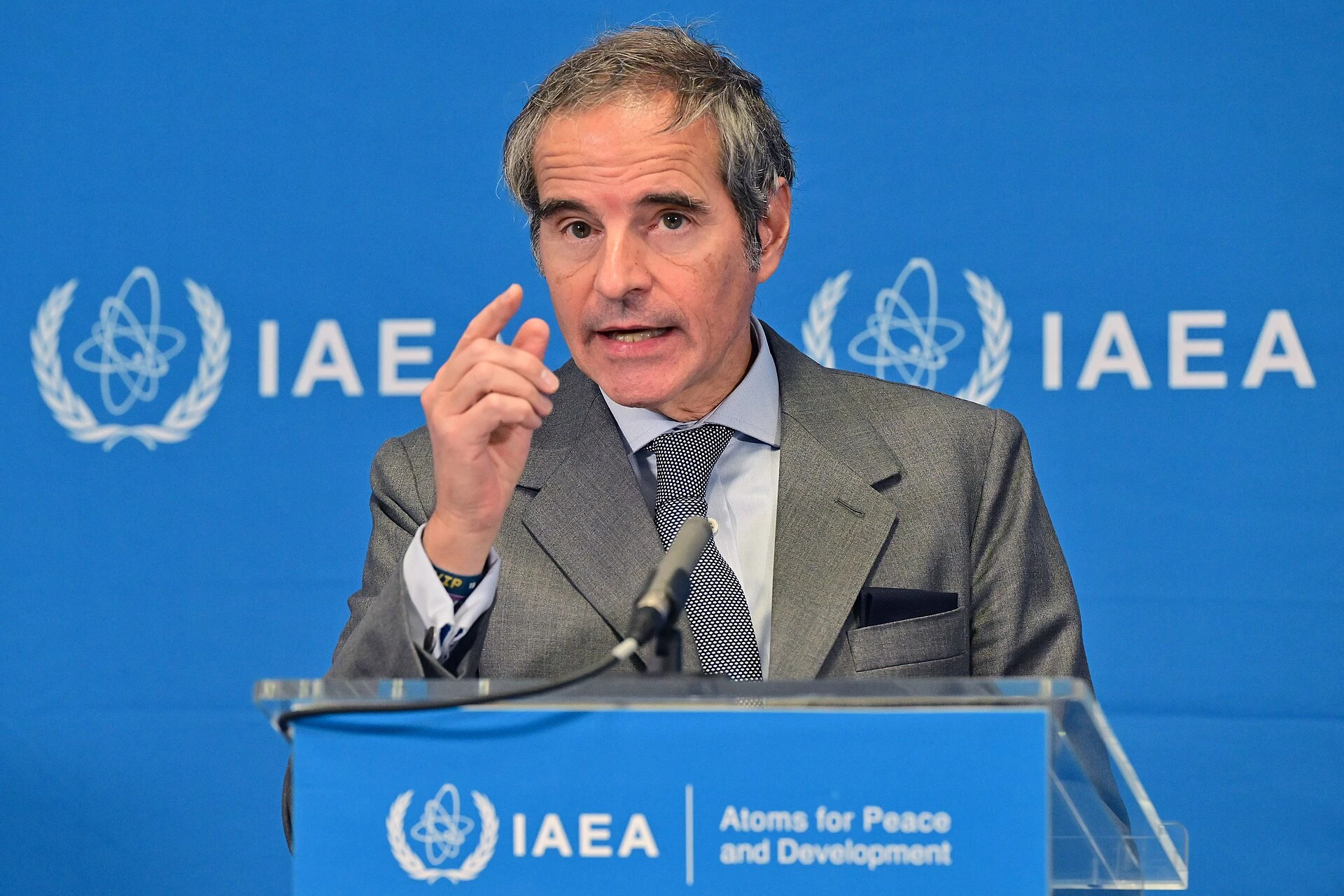
Iran’s ambassador to the IAEA, Reza Najafi, rejected the resolution as “counterproductive,” “politically motivated” and “legally flawed,” warning that it could complicate unfinished negotiations and ceasefire talks. The dispute echoes the framework built under the Joint Comprehensive Plan of Action, agreed on July 14, 2015, and reinforced by Security Council resolution 2231 on July 20, 2015, which gave the IAEA formal verification and monitoring authority over Iran’s nuclear commitments. That architecture only works if inspectors can see the material itself. Without that, any deal risks becoming a headline instead of a durable accord.
Sources
- [1]bbc.com
- [2]usnews.com
- [3]aljazeera.com
- [4]iaea.org