World
U.S. says Iran must publicly reopen Strait of Hormuz for talks to resume
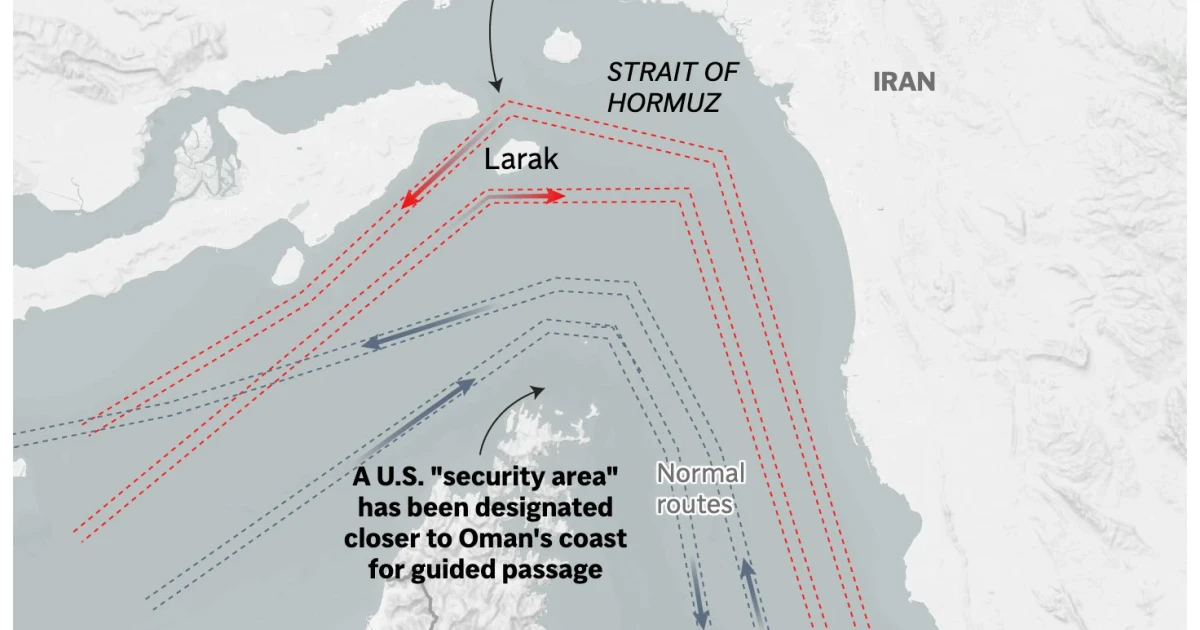
The Trump administration has tied any return to nuclear talks with Iran to a public pledge that the Strait of Hormuz remains open and that Tehran will stop firing on commercial ships. U.S. officials said the White House wants Iran to say publicly what it has already conveyed in private: that it “made a mistake” in targeting vessels and that the attacks came from an “errant” faction trying to derail negotiations.
President Donald Trump has directed a negotiating team that includes Vice President JD Vance, Jared Kushner, special envoy Steve Witkoff and Secretary of State Marco Rubio to keep the channel open. The next round of talks was expected in Oman on Saturday, July 12, 2026, even as Washington pressed for a clearer Iranian commitment on shipping lanes and warned it was prepared to answer further hostility with military and economic leverage.
The demand carries immediate weight because the Strait of Hormuz is one of the world’s most important energy chokepoints. The Congressional Research Service says roughly 27 percent of global maritime crude oil and petroleum-product trade and about 20 percent of global LNG trade pass through the strait. CBS has said about a fifth of the world’s oil supply typically moves through the waterway, making any disruption a direct threat to energy markets and maritime insurance costs.
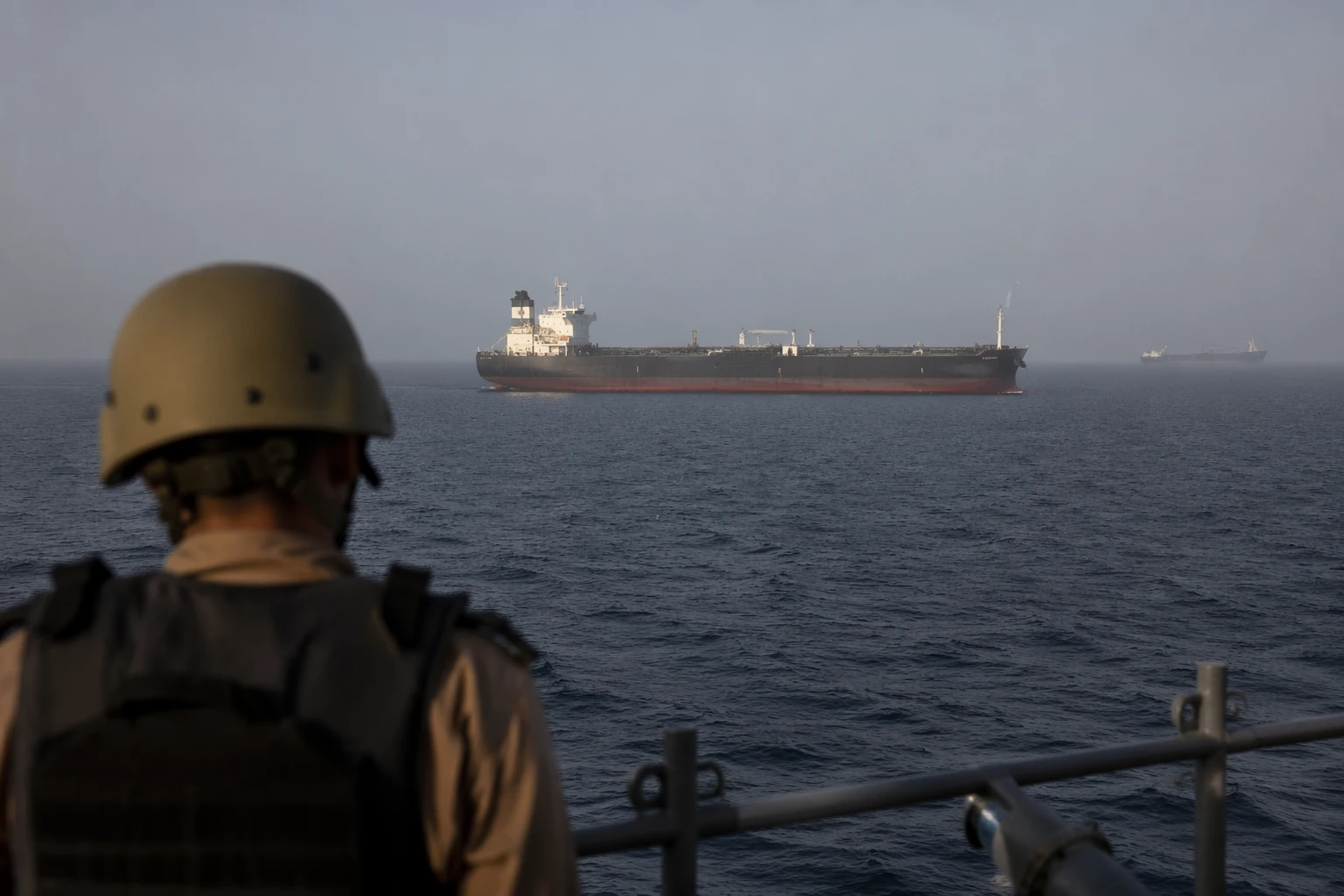
The pressure campaign followed fresh attacks at sea. In April, at least two ships were attacked in the Strait of Hormuz, including an incident in which an Islamic Revolutionary Guard Corps gun boat fired at a container ship. U.S. forces later struck Iranian air defenses, radar sites and anti-ship missile sites after Iranian attacks on commercial vessels, sharpening the risk that a localized maritime clash could spill into broader confrontation.
Diplomacy has continued in parallel. Qatari negotiators were in Tehran on Friday to discuss de-escalation and navigation through the Strait of Hormuz, a sign that regional intermediaries were trying to keep the route open while Washington insisted on a public Iranian statement with no ambiguity. Reuters reported that the U.S. wants Iran to say it will stop attacks on ships and that all lanes in the strait will remain open with no tolls.
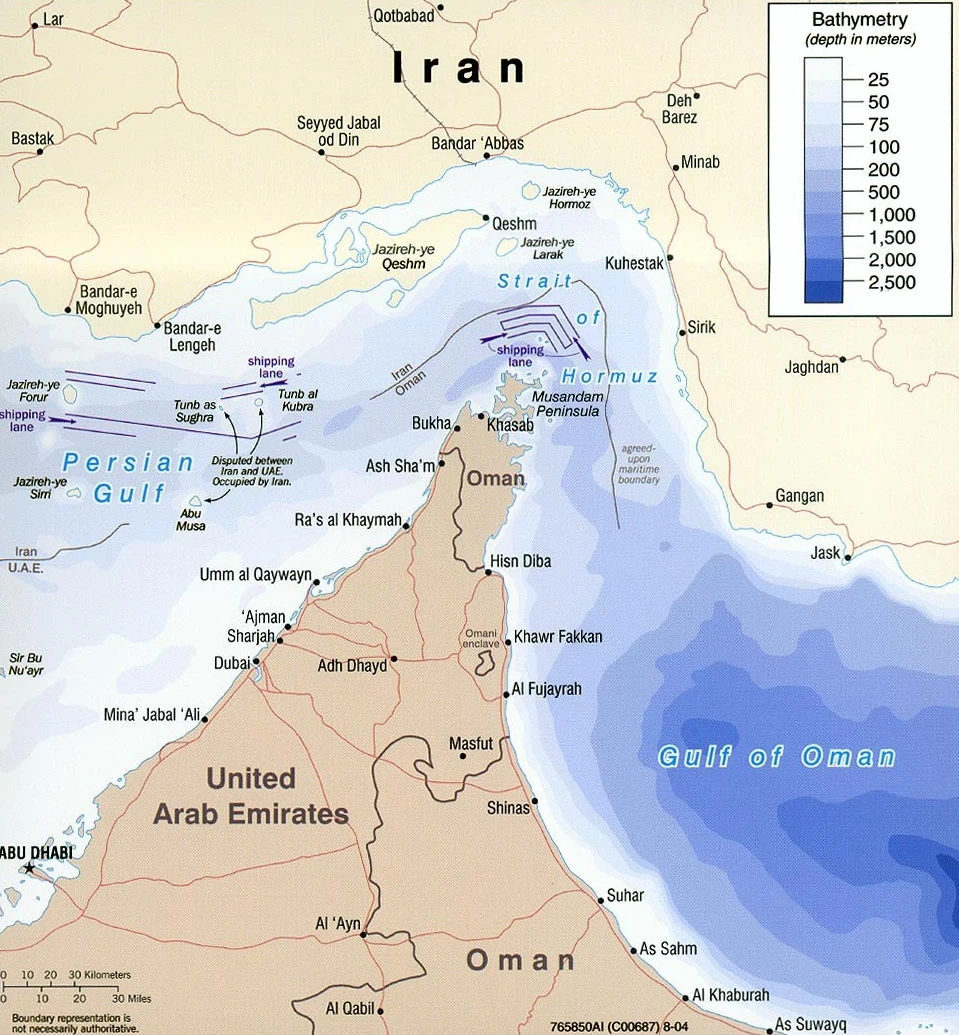
The dispute has turned on language as much as force. Washington wants an explicit public reversal; Tehran has been signaling privately that it wants talks back on track. Whether the gap can be closed before the Oman meeting will shape both the shipping risk in the Persian Gulf and the odds of reviving nuclear negotiations.
Sources
- [1]cbsnews.com
- [2]apnews.com
- [3]reuters.com
- [4]congress.gov
- [5]usnews.com