World
U.S. says Iran will allow nuclear inspectors, Tehran denies deal
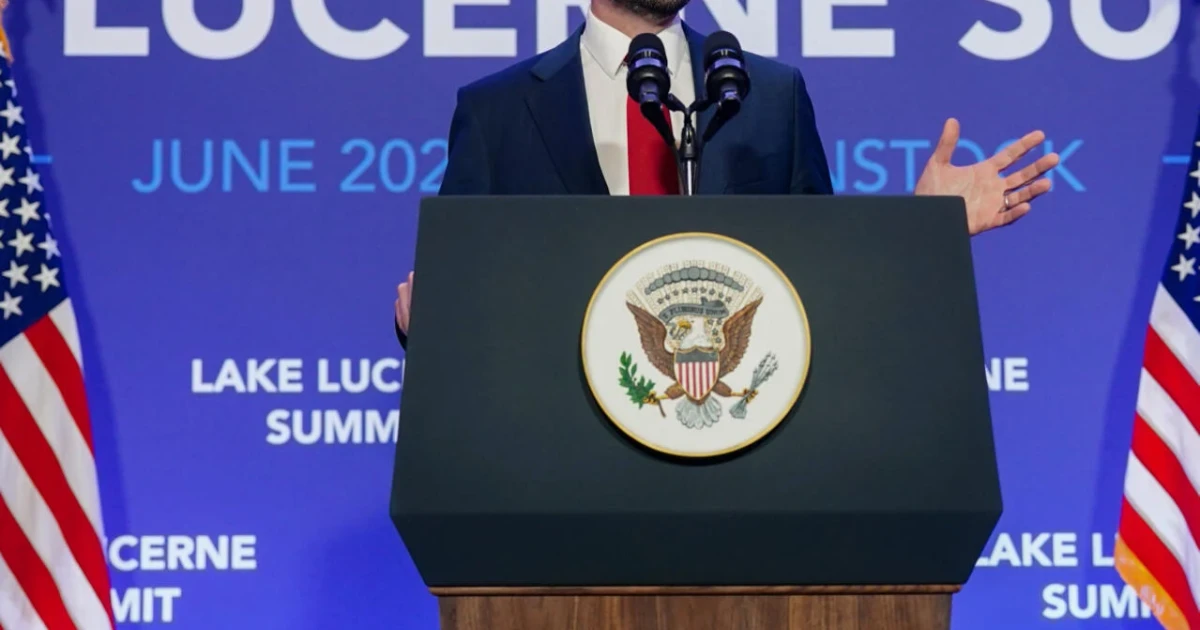
Washington opened the door to Iranian oil sales for 60 days even as Tehran rejected any new nuclear commitments, exposing a sharp gap between the two sides’ accounts of the diplomacy. Vice President JD Vance said Iran had agreed to let U.N. nuclear inspectors return, while Iranian Foreign Ministry spokesperson Esmail Baghaei said Tehran had made “no new commitments.”
The talks took place at the Bürgenstock resort in Switzerland near Lucerne, with Qatar and Pakistan mediating. Vance called the first round a “very good” day and said International Atomic Energy Agency inspectors could resume work as soon as this week. If inspectors are allowed back into sites struck in last year’s attacks, it would be the first such access since Iran suspended cooperation after the 12-day war in June 2025 and later permitted only limited inspections at unaffected sites such as Bushehr.
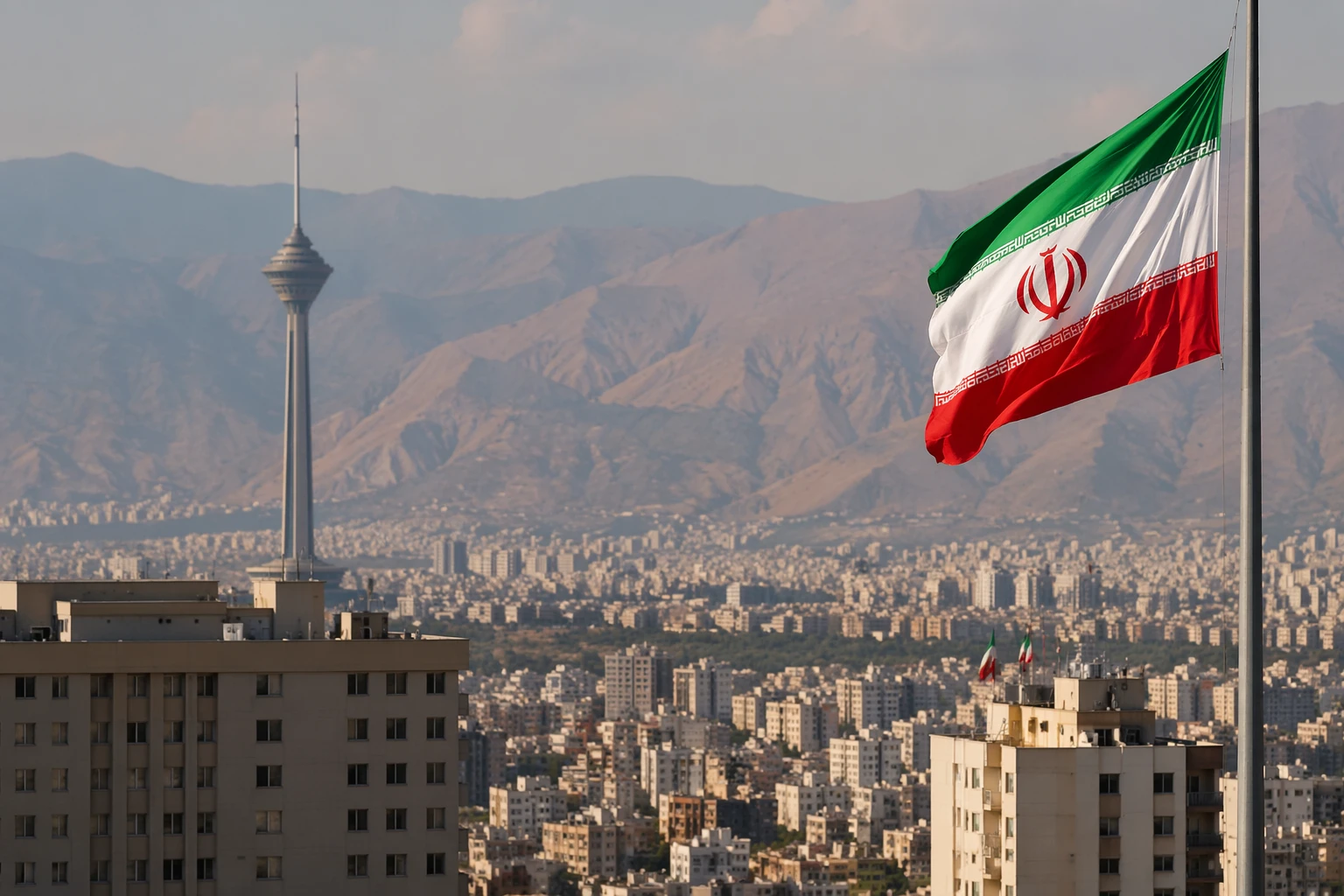
The Treasury Department’s 60-day general license, announced on Monday, runs through August 21 and allows the sale of Iranian crude, petroleum products and petrochemical products. The move marked a sharp break from long-standing sanctions pressure, and it came as the U.S. pushed toward a broader peace deal with Tehran. Any sustained easing of restrictions could alter global oil trading by loosening one of the key supply constraints on Iranian barrels, a development that would matter to refiners, traders and U.S. consumers if it translated into lower fuel costs.
But the market signal is still fragile because the central nuclear dispute remains unresolved. The U.N. watchdog’s 35-nation Board of Governors passed a U.S.-backed resolution on June 10, 2026, telling Iran to declare its remaining enriched uranium stocks and allow inspectors to verify them. The agency has warned that it lost continuity of knowledge over parts of Iran’s nuclear material accountancy, and outside analysis continues to treat the unresolved stockpile of uranium enriched to 60% as a major proliferation risk.

The broader backdrop is the 2015 Joint Comprehensive Plan of Action, which traded sanctions relief for nuclear restrictions and monitoring. Donald Trump withdrew the United States from the agreement on May 8, 2018, setting off years of higher enrichment levels, reduced access for inspectors and repeated failed attempts to restore the deal. The latest sanctions waiver may ease pressure on Tehran’s oil sector, but it does not settle the question that has shadowed every round of talks: how much nuclear access Iran will actually allow.
Sources
- [1]nytimes.com
- [2]usnews.com
- [3]politico.com
- [4]al-monitor.com
- [5]iaea.org
- [6]msn.com
- [7]cnbc.com
- [8]armscontrol.org