Technology
U.S. says tiny Nvidia H200 chip shipments have reached China
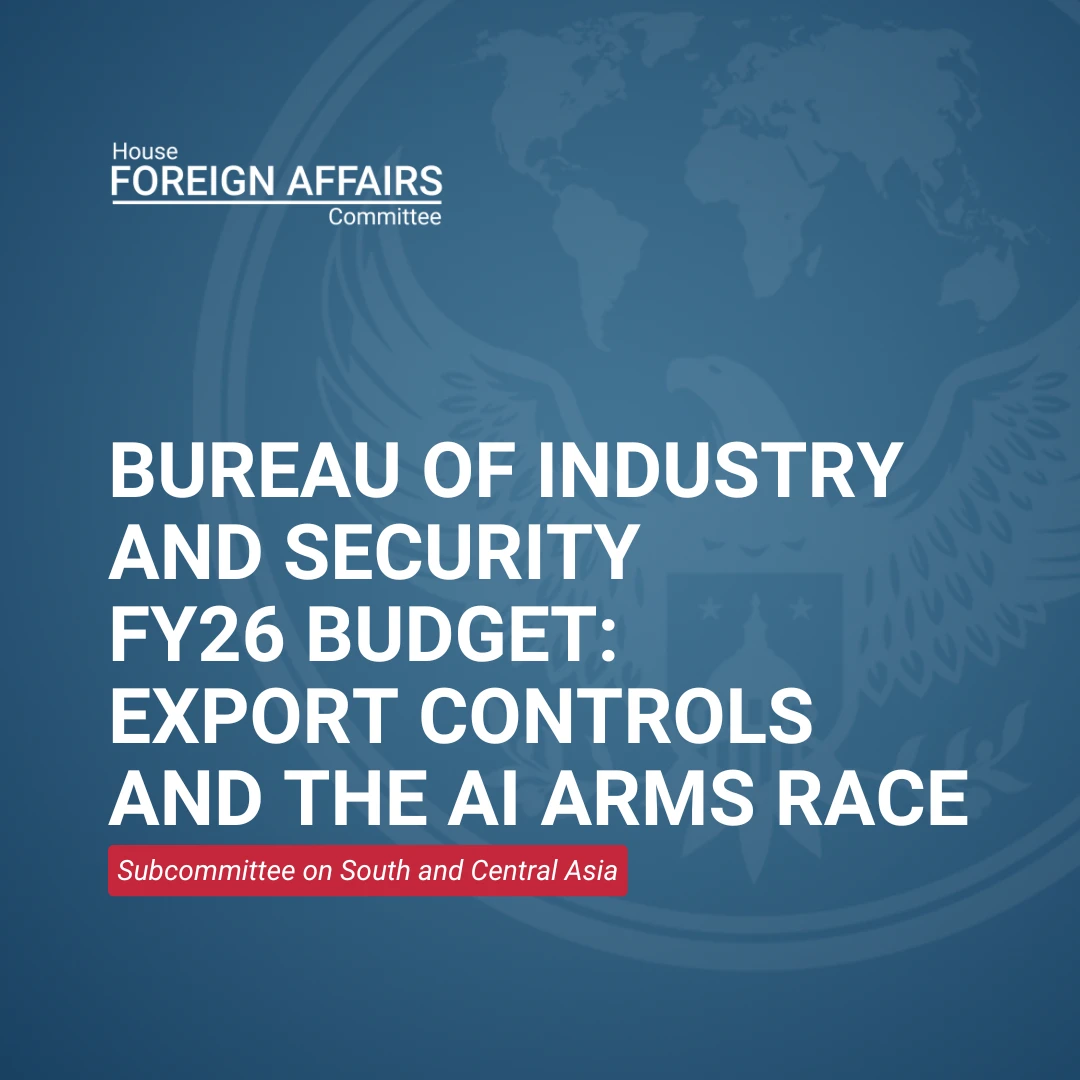
Jeffrey Kessler told the House Foreign Affairs Committee that only a very small number of Nvidia H200 chips had been shipped to China, describing the flow as “very few” and later as “trivial.” He made the disclosure during a hearing titled “Bureau of Industry and Security FY26 Budget: Export Controls and the AI Arms Race,” where he also said the Commerce Department had given lawmakers a confidential list of H200 applications and their status.
The shipments matter because the H200 is one of Nvidia’s most powerful AI processors and sits near the center of Washington’s effort to keep advanced computing hardware from feeding China’s military and strategic ambitions. Even a handful of deliveries complicates that posture: it suggests the controls are still in force, but also that the boundary is being tested by licenses, approvals and exceptions rather than enforced as a total cutoff.
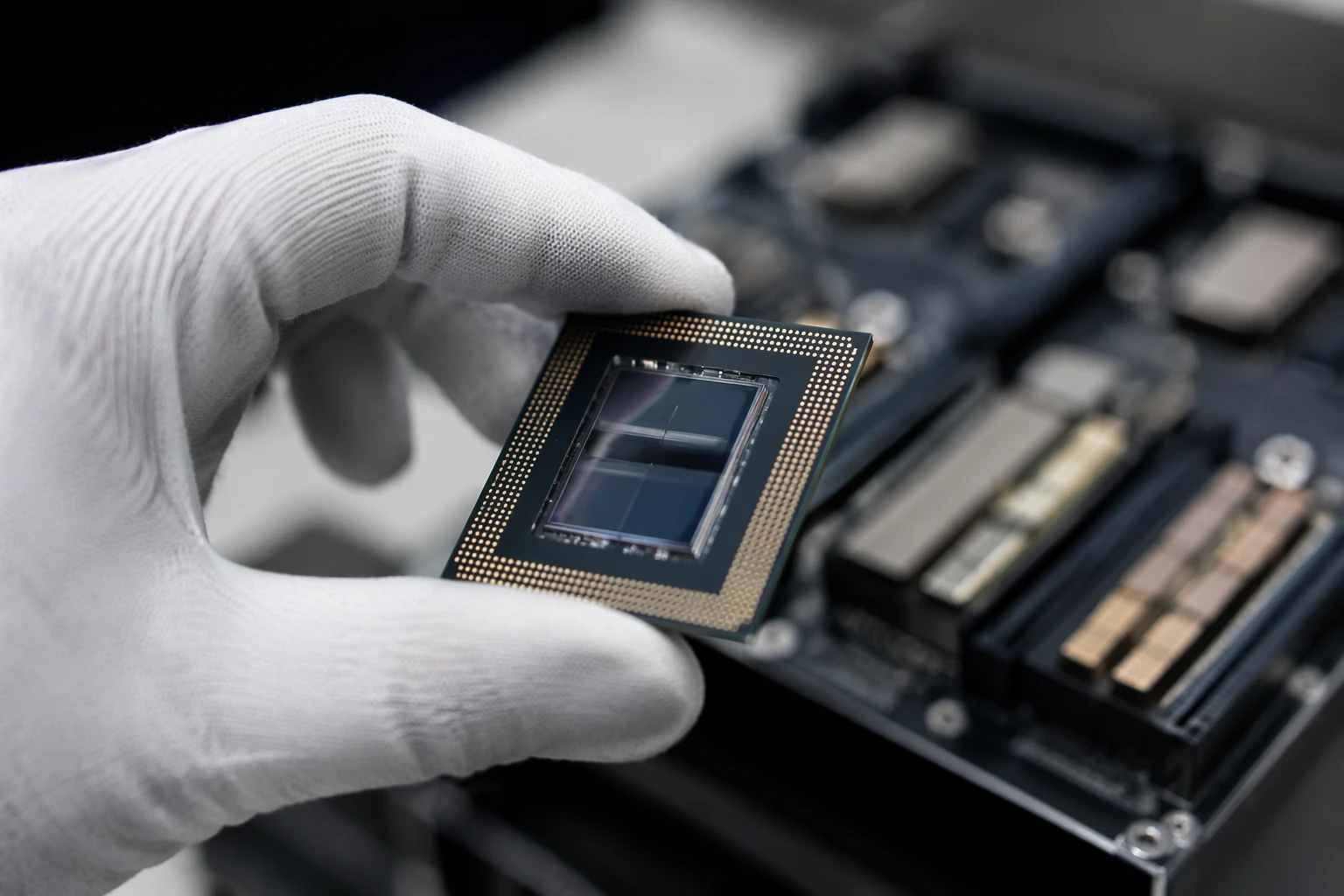
The Commerce Department had already cleared around 10 Chinese firms to buy H200 chips in May, but no deliveries had been made at that point. On July 14, a unit of telecoms gear maker ZTE Corp. and two other Chinese companies were among the latest entities to receive U.S. approval to buy advanced Nvidia and AMD chips, sharpening concerns in Congress that export controls are being managed more than locked down.
Representative Gregory Meeks, the top Democrat on the committee, used the hearing to attack that approach. He said the administration had not added any Chinese companies to a key export-control list since October 2025, a gap he called the longest in more than a decade, and accused President Donald Trump of turning export controls into a bargaining chip in broader negotiations with Beijing. Meeks also warned that approving licenses for advanced AI chips destined for China weakened the safeguards that were supposed to hold the line.
The political fight is being watched closely because the H200 has become a symbol of the global AI race. Reuters reported in early July that China was considering allowing some of its top domestic AI firms to buy a limited number of H200 chips, a sign that Beijing sees the processor as strategically valuable even in restricted quantities. At the same time, Reuters has reported that the Trump administration has delayed adding more than 100 Chinese firms, including DeepSeek and CXMT, to the Commerce Department’s Entity List, reinforcing the sense among lawmakers and chipmakers that Washington is no longer operating with a clean policy break between restriction and access.
Sources
- [1]aol.com
- [2]cnbc.com
- [3]money.usnews.com
- [4]foreignaffairs.house.gov
- [5]docs.house.gov
- [6]reuters.com