World
U.S. says visa for Brazil envoy will return if nominee approved
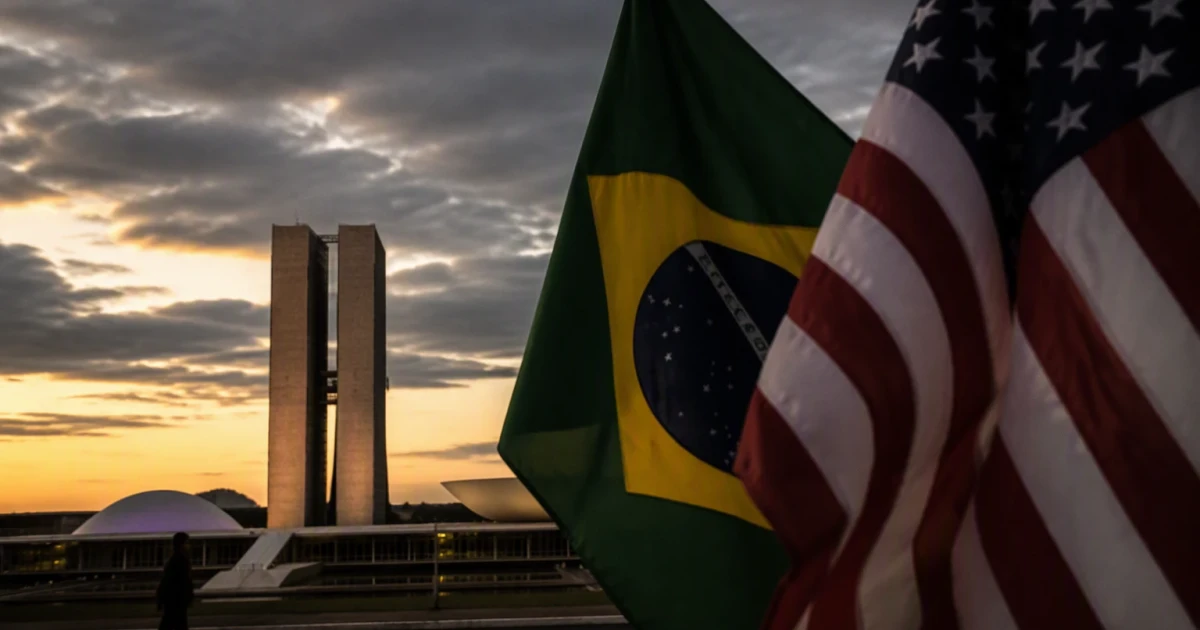
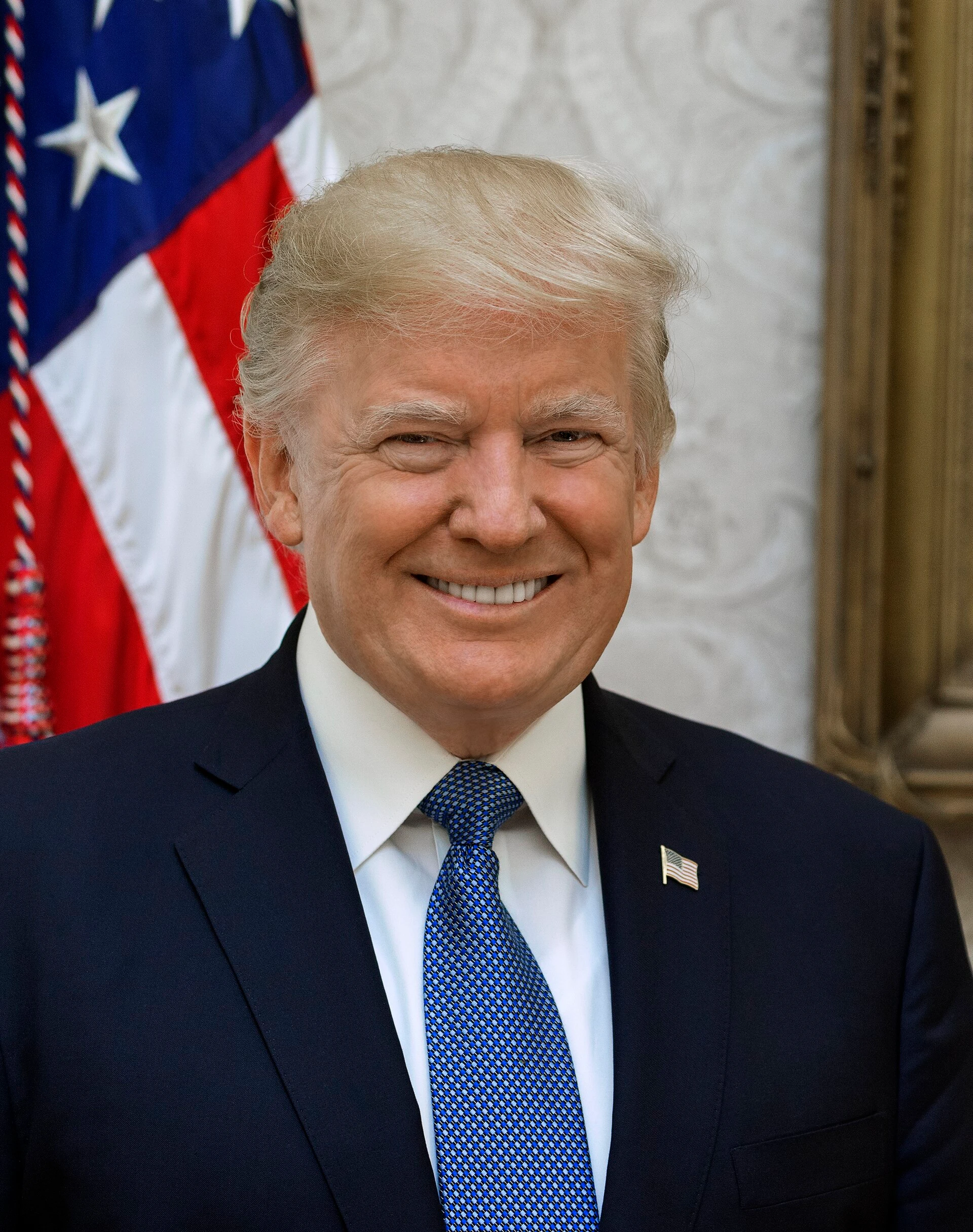
The United States revoked the visa of Brazil’s ambassador to Washington and said the document would be restored immediately if Brazil approves Daniel Perez, Donald Trump’s nominee to serve as U.S. ambassador to Brazil. The move links a routine diplomatic approval to a broader political fight and puts new pressure on a relationship already strained by tit-for-tat visa measures.
Ambassadorial appointments normally require formal approval from the host country before a diplomat can take up the post. That clearance, known as agrément, had been withheld by Brazil for weeks as Washington waited for Perez to be accepted in Brasília. Perez’s nomination was formalized by the White House in June 2026, and his testimony before the Senate Foreign Relations Committee is dated July 16, 2026.
Brazil’s delay angered the Trump administration and left the U.S. ambassador’s post in Brasília effectively vacant. The standoff has also sharpened concerns that diplomatic protocol is being used as a pressure tactic rather than a neutral procedural step, with each side signaling that access for diplomats can be traded for political concessions.
The dispute escalated further on July 25, when Brazil’s Foreign Ministry said it denied visas to two U.S. State Department officials who had sought to travel to the country ahead of upcoming elections. Brazilian and U.S. officials have framed the episode around accusations of election meddling, and Brazilian officials tied their visa denials to concerns about interference.
A senior State Department official said the visa revocation for Brazil’s ambassador to the United States did not necessarily mean the envoy would be expelled from the country. Even so, the decision added another layer of retaliation to a fight that has already moved beyond paperwork and into public signaling between Washington and Brasília.
The timing matters for both governments. Brazil and the United States depend on cooperation over trade, security and regional diplomacy, and each new visa move narrows the room for quiet negotiation. If the dispute deepens, both capitals risk turning a bilateral channel that normally runs on protocol into a symbol of political confrontation.
Sources
- [1]cbsnews.com
- [2]reuters.com
- [3]aljazeera.com
- [4]abcnews.com
- [5]foreign.senate.gov
- [6]wusf.org