US News
U.S. scientists head to U.K. universities amid Trump-era science shake-up
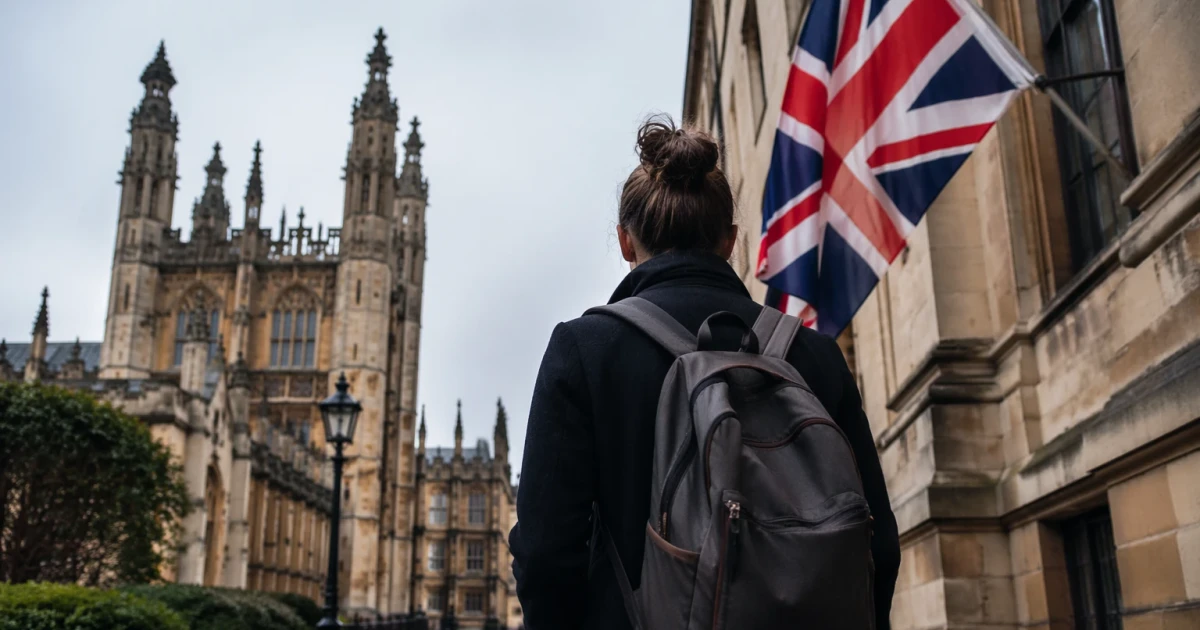
Three U.S. researchers have shifted their work to universities in the United Kingdom as Donald Trump’s second term has rattled federal science funding and pushed American talent to look abroad. The moves are part of a broader contest over who will keep the researchers, grants and labs that drive the next wave of innovation.
The pressure inside the U.S. system has been severe. Nature counted more than 7,800 research grants terminated or frozen by January 20, 2026, along with about 25,000 scientists and other personnel who had left federal agencies overseeing research. Proposed budget cuts reached 35 percent, or about US$32 billion, while 5,844 National Institutes of Health grants and 1,996 National Science Foundation grants were cancelled or suspended. Roughly 2,600 grants, worth about $1.4 billion, had still not been reinstated or unfrozen.
For universities, that combination of disrupted funding and staffing losses has made the U.S. look less predictable at the moment when research careers often depend on long planning horizons. The result is not only individual departures, but a credibility problem for American science: laboratories, graduate students and postdoctoral researchers are all affected when grants are frozen and federal agencies lose experienced staff.
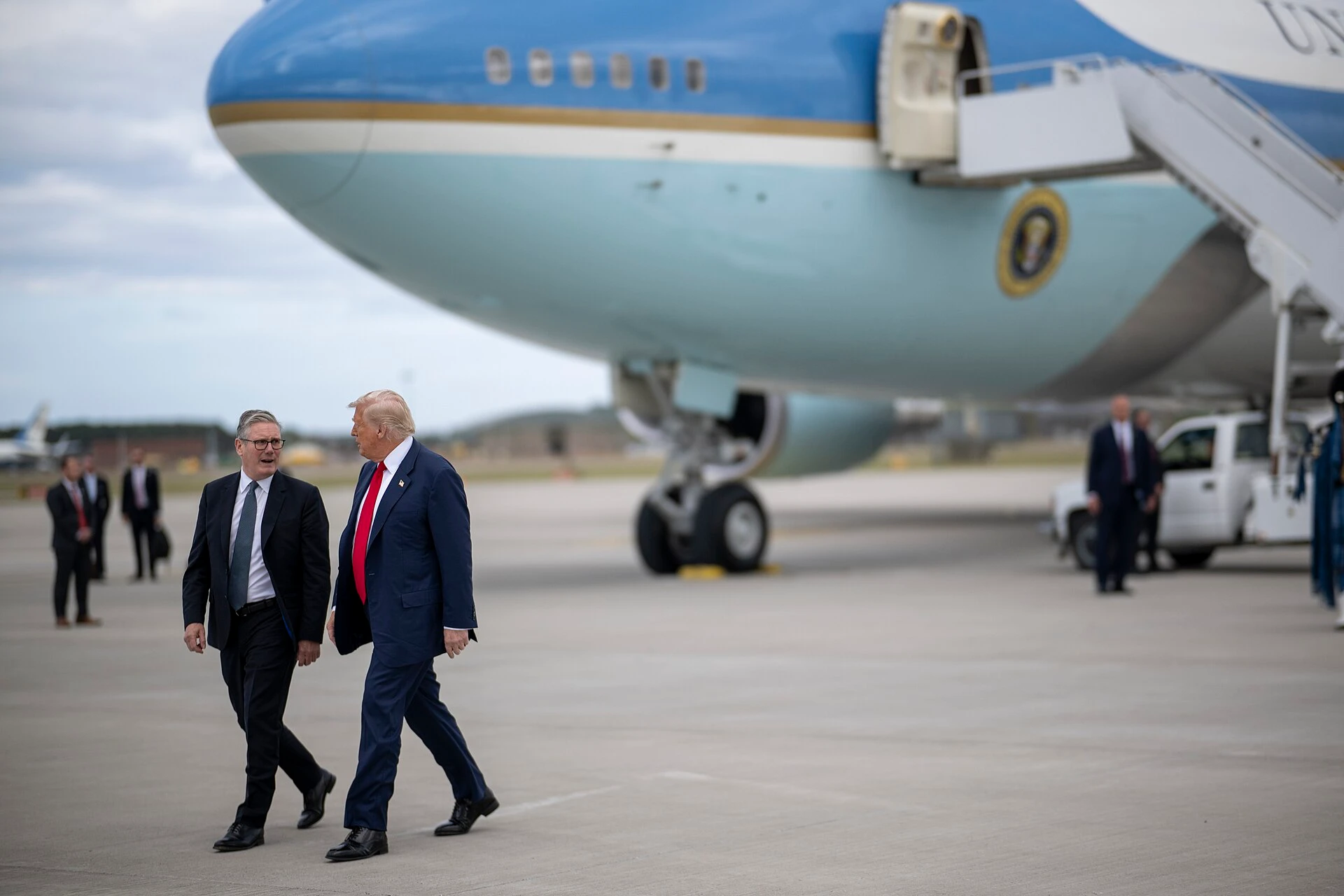
Britain’s political and academic leadership has tried to turn the disruption into an opening. On May 8, 2025, Chi Onwurah, the chair of the U.K. Parliament’s Science, Innovation and Technology Committee, wrote to Science Minister Lord Patrick Vallance urging the government to do more to attract scientists leaving the United States. She said the U.K. could offer a sanctuary for researchers and help fill critical skills gaps.
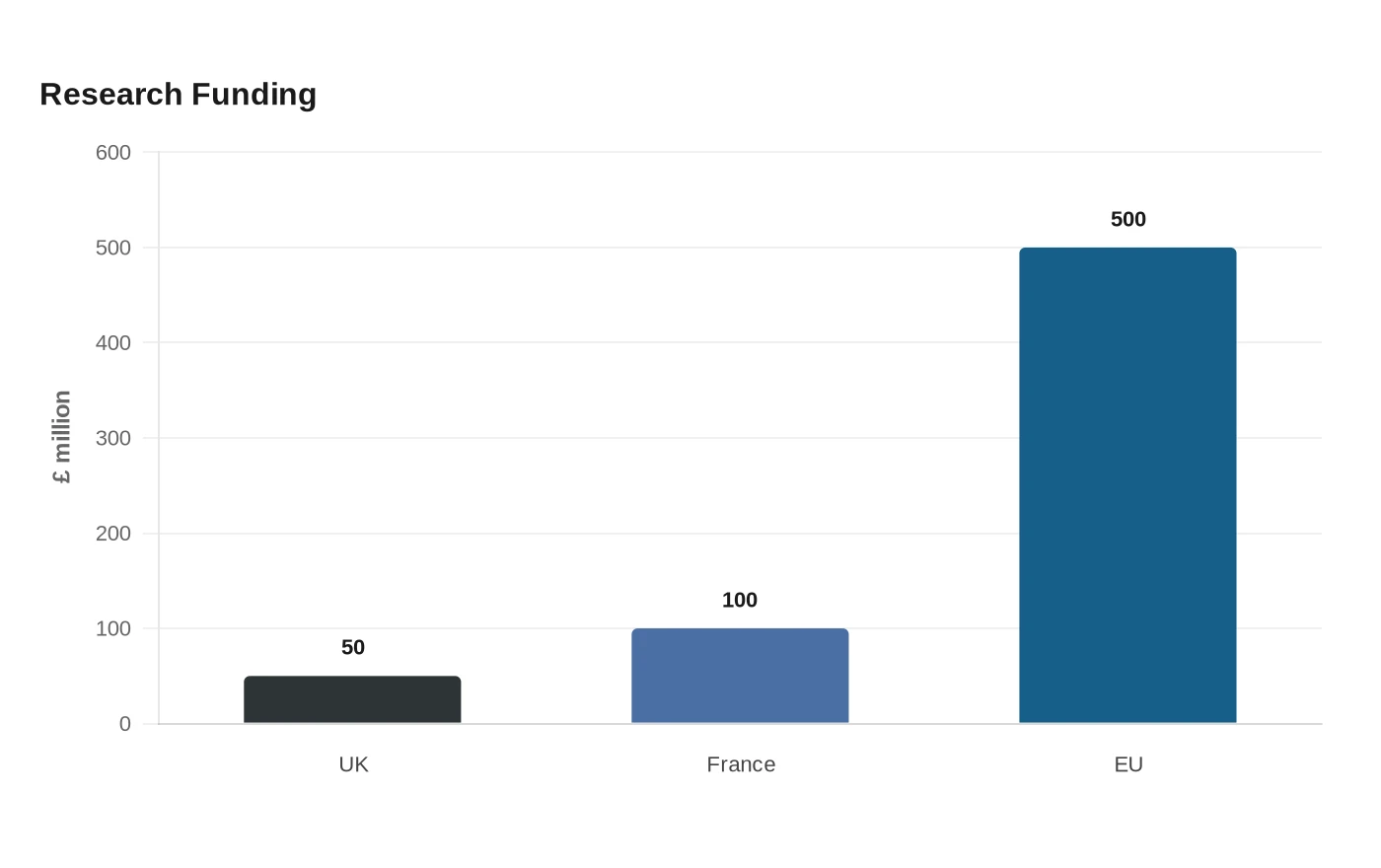
The committee also said the U.K. was preparing a scheme to attract ten groups of researchers, backed by £50 million. That would be far smaller than comparable efforts in France and the European Union, which the committee said were set at £100 million and £500 million. The same warning flagged another obstacle: 2024 U.K. visa costs were found to be 17 times higher than those in comparable countries, a barrier that could blunt Britain’s recruiting push even as American uncertainty creates an opening.
Together, the numbers point to a wider competitiveness test. If the U.S. continues to lose grants, staff and confidence in its research pipeline, universities abroad will not just absorb a few high-profile departures. They will compete for the underlying infrastructure of scientific leadership, from young faculty to lab teams, and the long-term edge that once kept U.S. institutions at the center of global discovery.
Sources
- [1]npr.org
- [2]nature.com
- [3]committees.parliament.uk