Business
US seeks fair, reciprocal trade deal with India
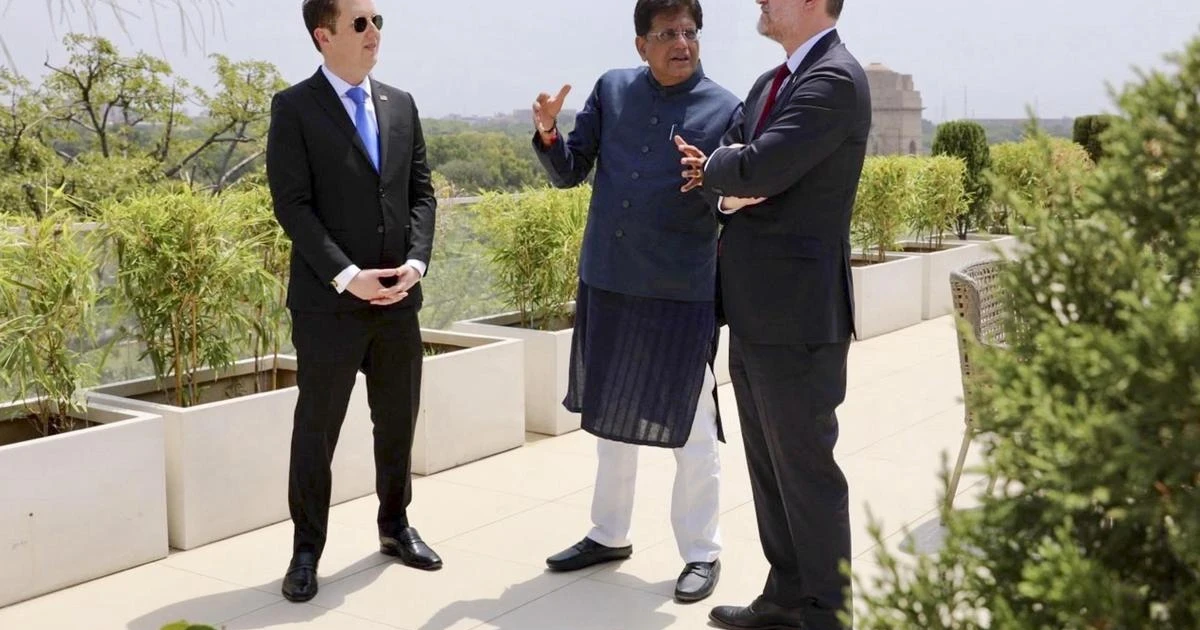
Jamieson Greer’s meeting with Piyush Goyal in New Delhi put hard numbers and sectoral tradeoffs behind the language of a fair, reciprocal trade deal. The U.S. Embassy in India said the talks were aimed at advancing an interim agreement that would open Indian markets for American exporters while keeping the broader U.S.-India trade relationship on a politically saleable footing.
The framework already sketched by the White House would ask India to reduce or eliminate tariffs on U.S. industrial goods and a wide range of agricultural products. In return, the United States would apply an 18% reciprocal tariff on originating goods from India, then remove tariffs on selected Indian exports, including generic pharmaceuticals, gems and diamonds, and aircraft parts, if the interim pact is completed. India would also get a preferential tariff-rate quota for certain automotive parts. That mix shows how the bargain is being built around sectors with real political weight in both capitals.
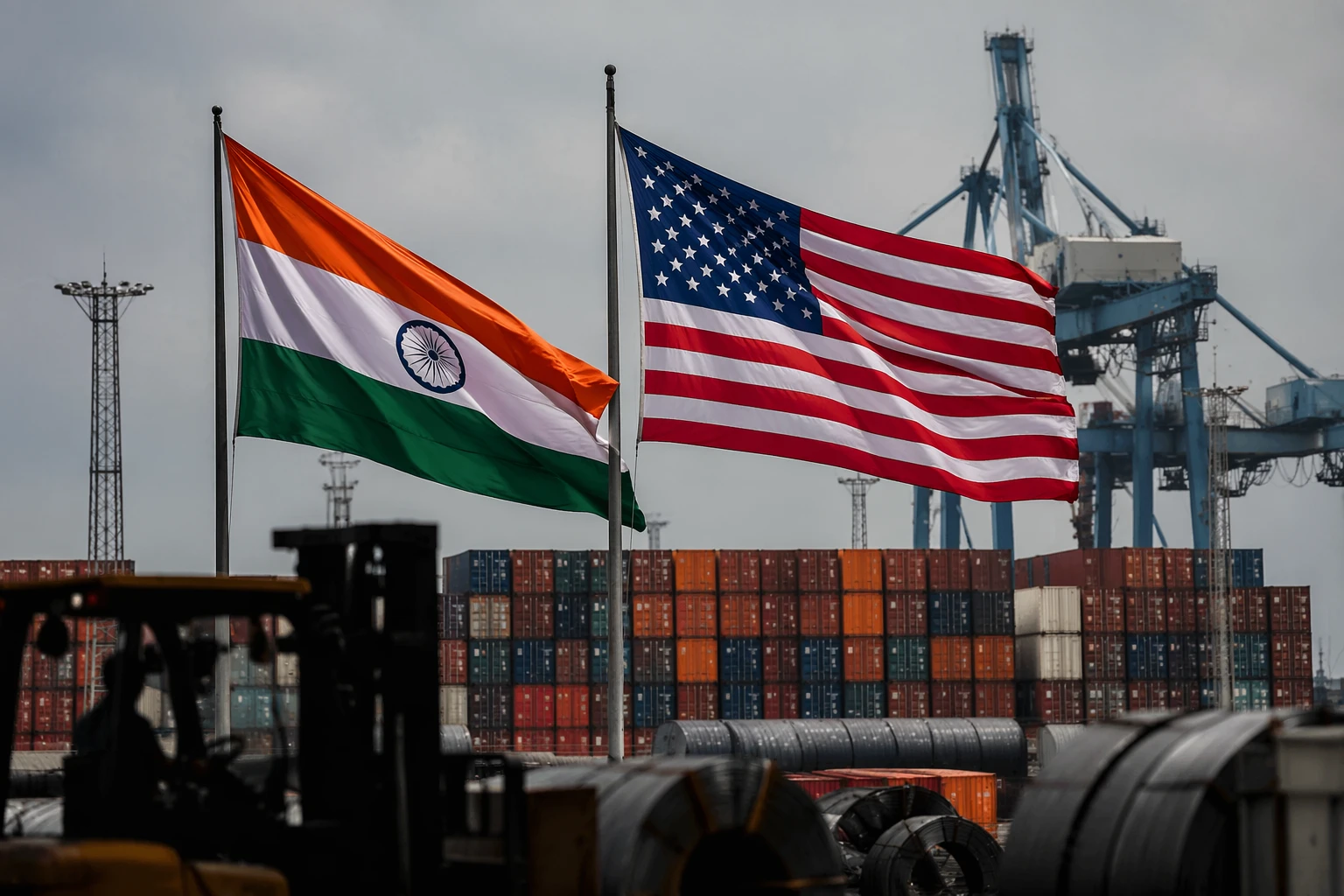
Agriculture is likely to be the most sensitive battleground. The White House said India has average tariffs as high as 37% on agricultural goods and more than 100% on certain autos, while USTR said India’s average applied tariff rate on agricultural products is 39%, compared with 5% in the United States. Those gaps explain why U.S. farm groups see market access as the prize, but also why Indian farmers and trade unions have warned that wider imports could hit domestic producers.
The stakes are not limited to goods. USTR said U.S. goods imports from India reached $103.8 billion in 2025, leaving Washington with a $58.2 billion goods trade deficit, up 27.1% from 2024. U.S. Census data show that through April 2026, U.S. exports to India totaled $17.35 billion and imports from India totaled $31.27 billion. Services matter too, with total U.S.-India services trade estimated at $83.4 billion in 2024, including $41.8 billion in U.S. services exports to India.
Digital trade, supply chains, investment reviews, and export controls are also part of the wider negotiation, which was launched on February 13, 2025. The White House said India intended to buy over $500 billion of U.S. energy, ICT, coal and other products under the February framework, and said India had committed to stop directly or indirectly importing Russian Federation oil as part of the broader arrangement. Rajesh Agarwal said on June 16 that the June 23-24 talks were meant to give the framework deal its final touches. That makes Greer’s trip the clearest sign yet that both sides want a commercial deal, but the toughest questions over agriculture, autos and market access still have to be settled.
Sources
- [1]thestar.com.my
- [2]whitehouse.gov
- [3]ustr.gov
- [4]census.gov
- [5]indianexpress.com