Health
US Sees Spike in Flu Cases Amid Ongoing Surveillance
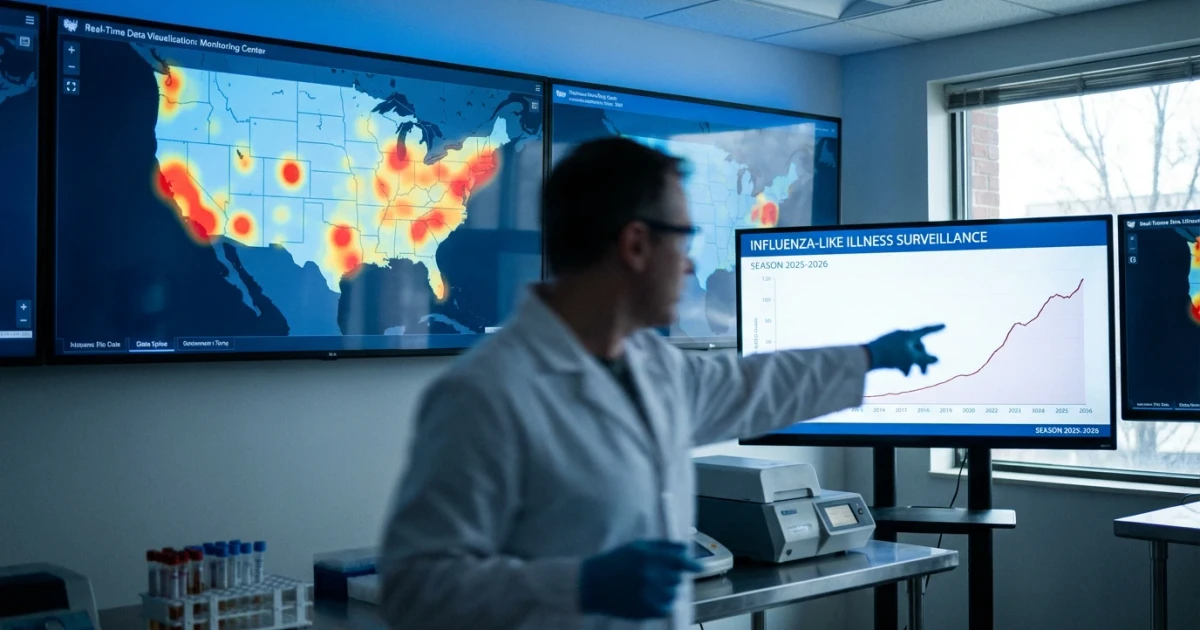
The United States is seeing a significant spike in flu cases this season, according to recent data tracked by the CDC and reported by CNN. Using maps and charts to illustrate the geographic spread and intensity, health experts are emphasizing the importance of vigilance as influenza activity increases across the country.
CDC Data Shows Growing Influenza Activity
According to the CDC FluView Weekly Influenza Surveillance Report, flu cases have been rising steadily in recent weeks. The latest US map of influenza activity shows that several states are now reporting high or very high levels of flu-like illness. This trend is consistent with historical patterns of flu season in the US, which typically peaks in the late fall and winter months. However, this year’s increase is notable for its rapid acceleration and broad geographic impact.
Regional Variations and Hotspots
The CDC’s FluView Interactive Dashboard provides real-time visualization of influenza activity, highlighting regions where the virus is spreading most aggressively. According to CNN’s analysis, southern and midwestern states have seen some of the highest rates of reported cases, while other regions are beginning to see upticks as well. The shifting hotspots underscore the importance of localized public health responses as well as nationwide preparedness.
Key Statistics from Current Surveillance
- Several states are reporting high or very high influenza activity levels, as seen on the CDC’s weekly map.
- Hospitalizations for flu-related complications are also on the rise, consistent with past severe seasons.
- CDC estimates for the current season predict millions of symptomatic cases nationwide, with an increasing number of laboratory-confirmed cases each week.
Expert Warnings and Health Guidance
Medical professionals interviewed by CNN and other outlets are urging Americans to be aware of common flu warning signs, which include fever, cough, sore throat, body aches, and fatigue. Early recognition and prompt medical care are especially crucial for vulnerable populations such as young children, elderly adults, and those with underlying health conditions.
The CDC also recommends annual influenza vaccination as the most effective preventive measure. For those who contract the flu, antiviral medications may reduce the severity and duration of illness if started promptly. More information on how the flu season is defined and managed is available for readers interested in the broader context of influenza surveillance and response.
Understanding the Surveillance System
The CDC’s influenza surveillance program is a comprehensive effort that combines data from clinical laboratories, outpatient clinics, and hospitals across the nation. The FluView Surveillance Overview explains how information is collected, analyzed, and reported to the public. This coordinated approach allows health officials to detect trends early and respond to emerging threats in real time.
Looking Forward: Continued Vigilance Needed
As flu activity remains elevated, public health officials are calling for continued awareness and preventive action. With the unpredictable nature of influenza viruses, it is essential for individuals and communities to stay informed through reliable sources such as the CDC’s weekly surveillance reports and interactive dashboards. Ongoing monitoring will be key to managing the current spike and minimizing its impact as the season progresses.