Politics
U.S. senators reach deal to advance tougher Russia sanctions bill
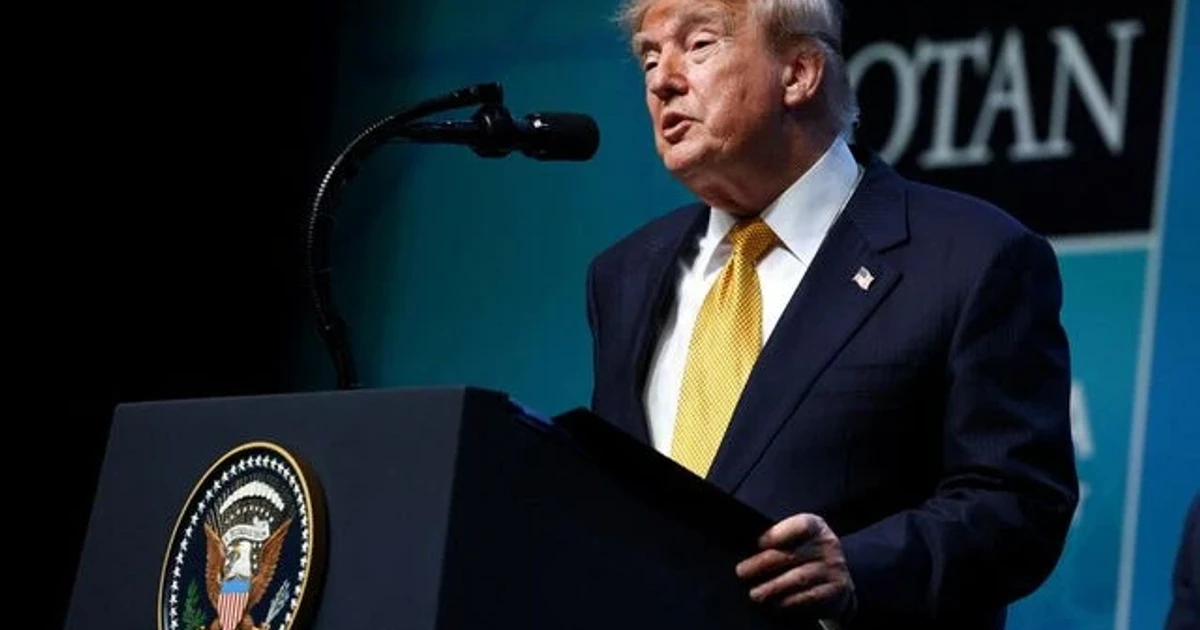
Four senators said they had reached a deal with the Trump administration to move ahead with tougher Russia sanctions, a step that could turn a long-stalled proposal into Washington’s sharpest economic threat yet against buyers of Russian energy. Richard Blumenthal, Lindsey Graham, Jeanne Shaheen and Roger Wicker said they expected to roll out the updated legislation very soon.
The agreement matters because it goes beyond a general show of support. Earlier versions of the Blumenthal-Graham measure called for a 500 percent tariff on imported goods from countries that buy Russian oil, gas, uranium and other products, a penalty designed to punish the foreign customers that still help finance Moscow’s war economy. House language on related Russia sanctions bills also targeted foreign persons dealing in crude oil or petroleum products of Russian origin.
Graham said after meeting Ukrainian President Volodymyr Zelenskiy in Kyiv that the agreement would help move the bill through and could give President Donald Trump more leverage in his effort to end the war. He said the White House had agreed on a version it would support, and described his trip as his 10th visit to Kyiv. Blumenthal’s office has said the legislation is meant to hit the buyers of Russian energy that, in the senators’ words, fuel the Putin war machine.
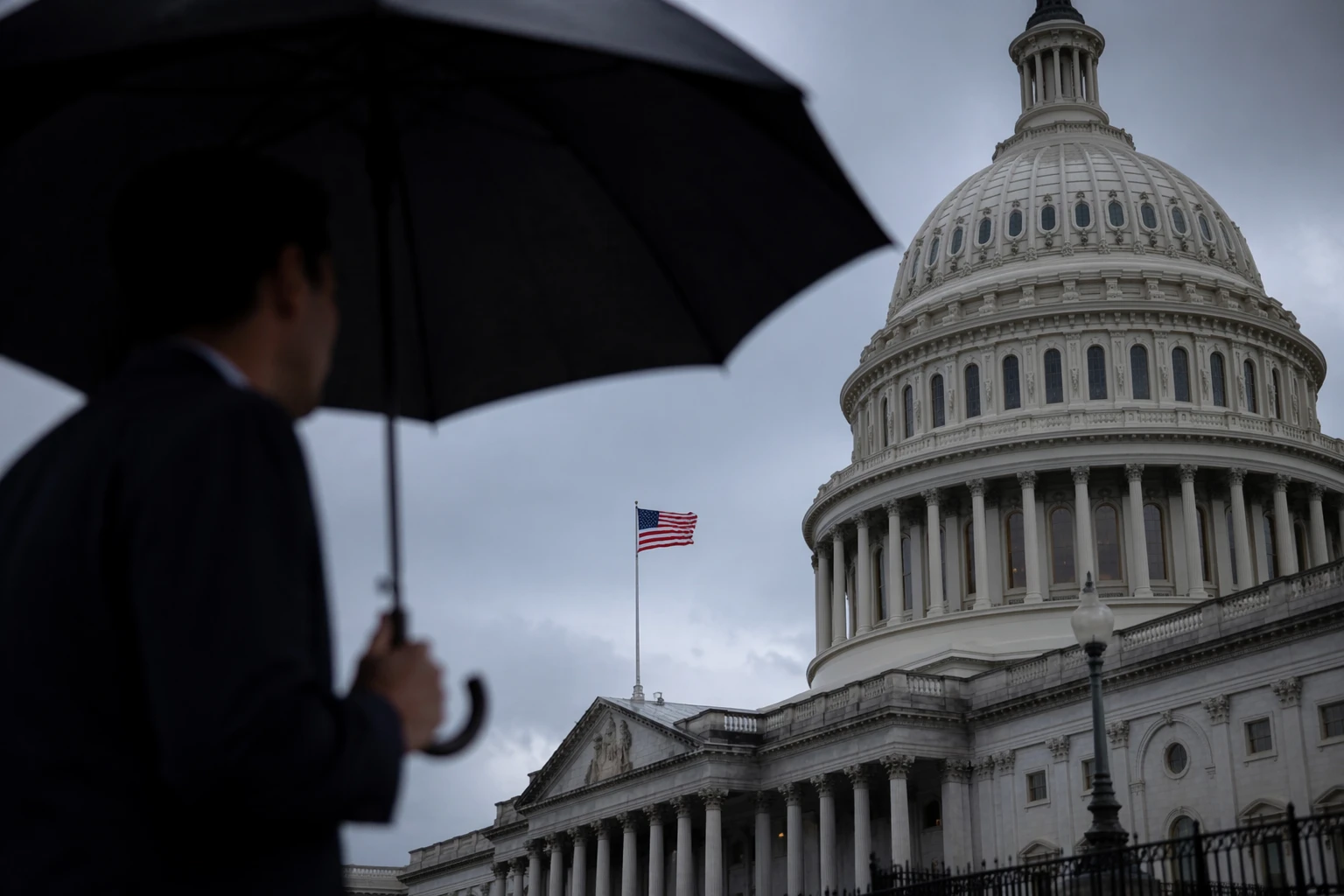
The White House did not immediately respond to a request for comment, leaving open how far Trump is willing to go in hardening sanctions policy while still preserving room for diplomacy with Moscow and Kyiv. That tension has defined the debate for months. Related coverage has said the administration previously resisted full support for broad sanctions on Russian oil buyers, favoring flexibility for negotiations.
Congress has treated sanctions as one of the central U.S. tools against Russia since Moscow’s 2014 invasion of Ukraine, and the current war has now entered its fifth year. The Congressional Research Service says sanctions have been coordinated closely with the European Union, the United Kingdom and other allies, and that measures on Russian oil shipments have sought to cut revenue while limiting disruption to global supply. The EU adopted its 20th sanctions package against Russia on April 23, 2026, underscoring that Washington’s move fits into a broader transatlantic squeeze.

If the bill becomes law, the pressure would fall not only on Russia but also on countries and companies still buying its oil and gas. That could raise the cost of doing business with Moscow, complicate energy trade flows and force allies to decide whether they are willing to absorb the economic fallout of a deeper sanctions regime.