World
U.S. service member killed in northern Iraq, raising regional tensions
U.S. Central Command said a U.S. service member was killed in northern Iraq during a controlled detonation of unexploded ordnance left by a downed Iranian one-way attack drone. The death, announced July 19, added a fresh American casualty to a region already strained by U.S. strikes on Iran, Israeli security concerns and mounting fears of wider retaliation.
The incident took place in the Kurdistan Region and was tied to hazardous debris from an explosive-laden drone that had been shot down by air defenses over Erbil, according to security sources cited in the reporting. Kurdish authorities were involved in the response, and at least one other person was injured the previous day during the same controlled detonation operation.
The Pentagon and Central Command did not immediately give a fuller public account of the fatality, leaving open questions about the precise sequence of events, the service member’s identity and whether any additional U.S. personnel were hurt. What is clear is that the death happened while American forces were clearing unexploded ordnance, not in a conventional direct attack.
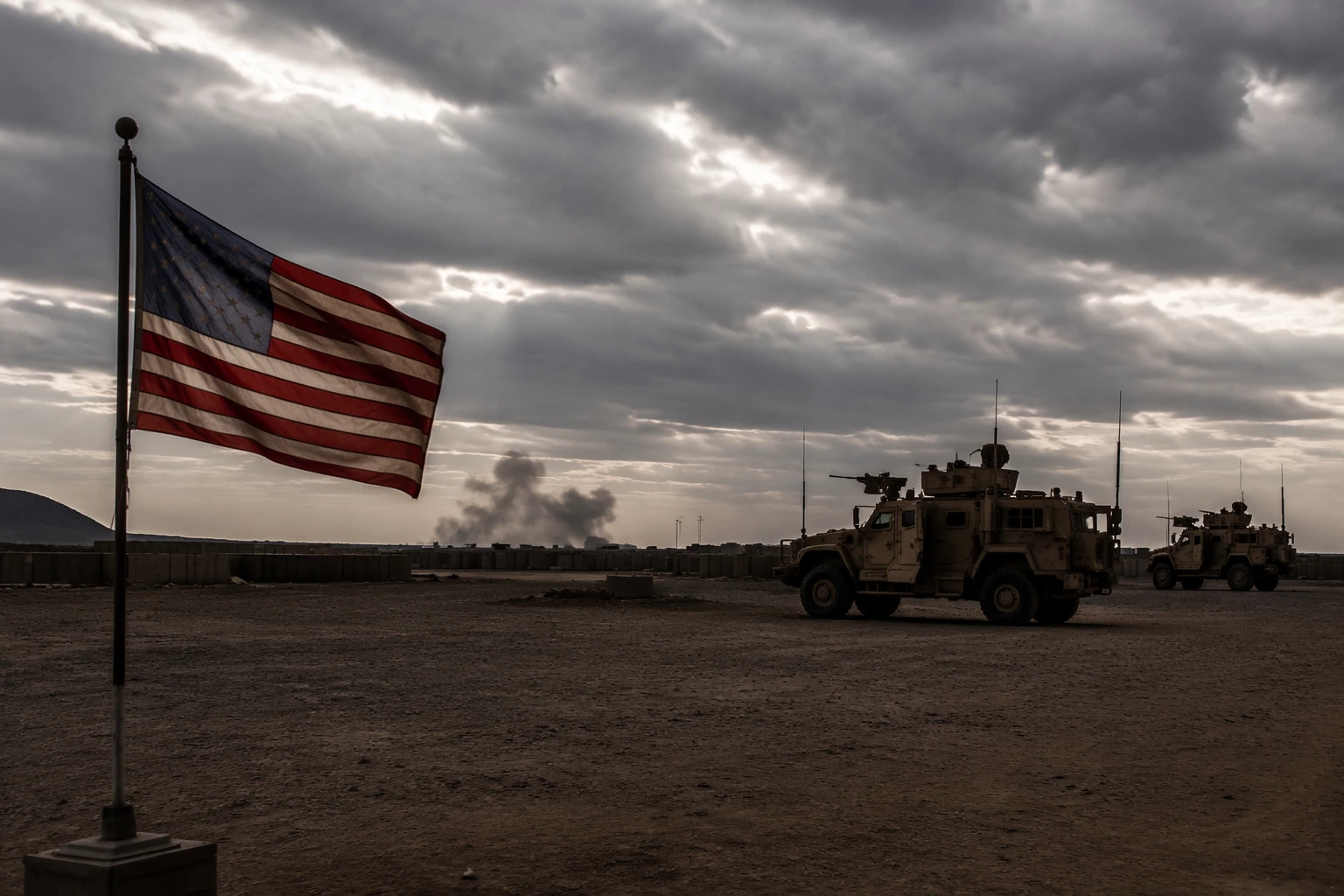
That distinction still does little to reduce the political stakes in Washington. Northern Iraq remains a key operating area for U.S. counterterrorism missions, advisory work and coordination with Iraqi and Kurdish partners, and the region has repeatedly faced drone strikes, rocket fire and other threats linked to the broader confrontation with Iran and allied militias. A death there is likely to trigger an internal military review and renewed scrutiny of force protection measures, convoy routes, base defenses and air surveillance.
The timing makes the episode more sensitive. Recent regional violence has already pushed commanders and civilian officials to weigh the risk that every new U.S. casualty could feed another cycle of escalation. Military families and lawmakers are likely to press for answers on whether the American posture in northern Iraq is still matched to the threat, and whether operations in the area can continue without greater danger to personnel.
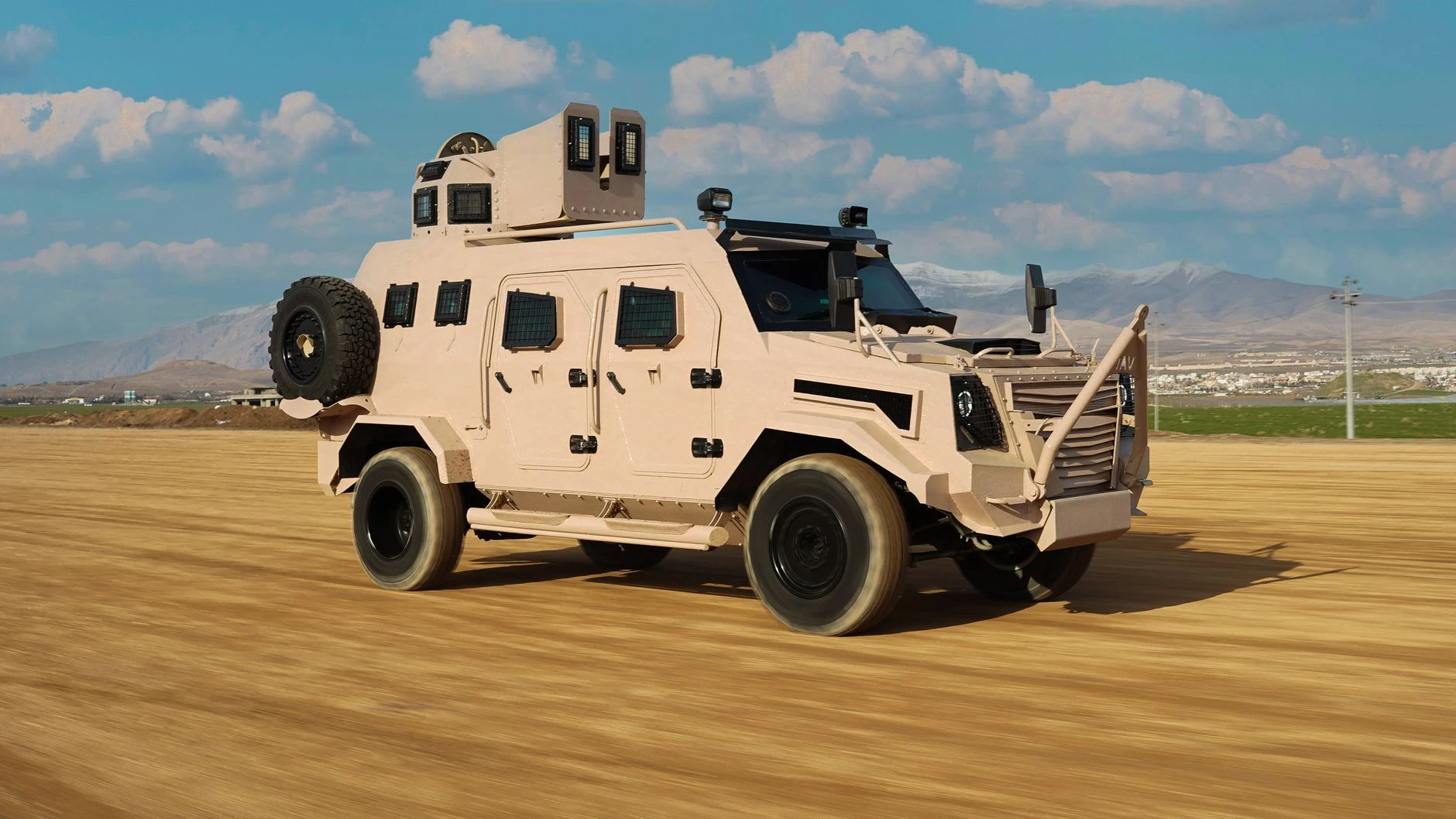
The area has seen deadly incidents before. A Central Command archive references an earlier northern Iraq attack that killed 2 U.S. service members and injured 5, underscoring that the security environment has remained dangerous even when the most visible fighting is elsewhere. For U.S. forces still on the ground, the latest death reinforces how quickly a drone strike, even one already intercepted, can turn into a fatal incident during cleanup operations.
Sources
- [1]reuters.com
- [2]usnews.com
- [3]freedom959.net
- [4]dubaieye1038.com
- [5]centcom.mil
- [6]cnn.com