World
U.S. shoots down Iranian drones targeting ships in Strait of Hormuz
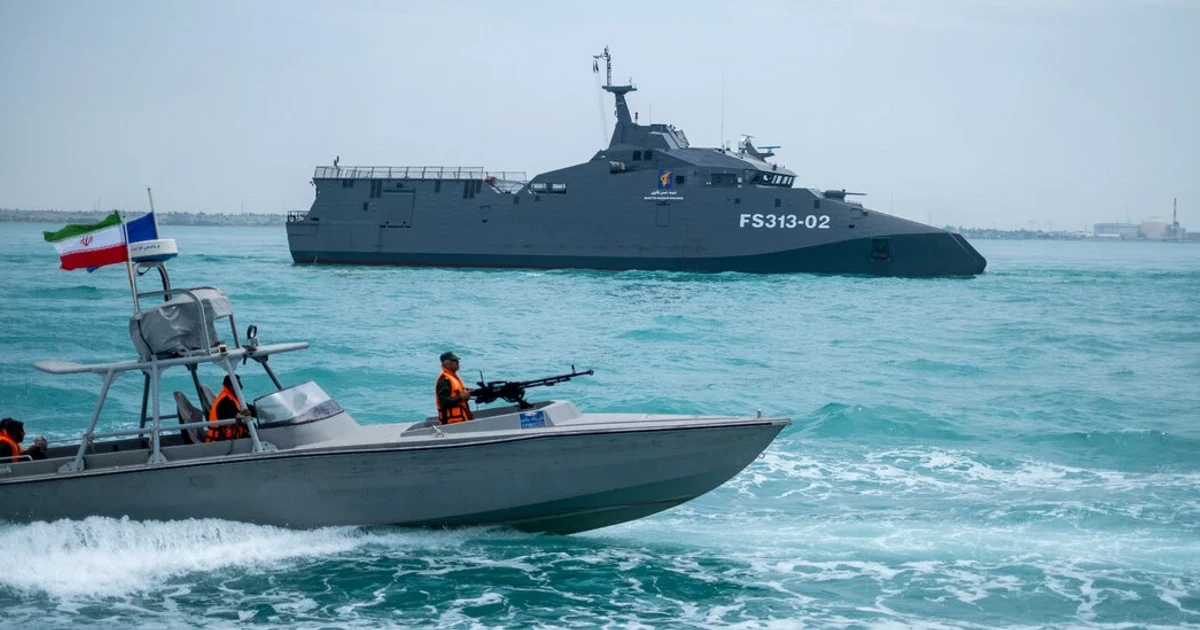
Iran launched multiple one-way attack drones at commercial ships in the Strait of Hormuz, and U.S. forces shot them all down, keeping one of the world’s most important oil corridors open. The episode matters far beyond the Gulf: about a quarter of the world’s oil trade at sea passes through the strait, so any sustained threat can ripple into shipping insurance, tanker costs and, eventually, U.S. gasoline prices.
U.S. Central Command said the drones were aimed at commercial vessels transiting the waterway and posed an immediate threat to regional maritime traffic. U.S. forces intercepted every drone, and traffic through the Strait of Hormuz continued unimpeded, even as the latest exchange showed how quickly an attack on merchant shipping can become a broader economic risk.
The confrontation came after a series of similar incidents. On June 5, CENTCOM said it intercepted four Iranian drones launched toward the strait. Earlier in the same week, it said U.S. forces had shot down five Iranian drones and blocked a sixth launch from an Iranian ground control site in Bandar Abbas. The repeated launches point to a growing pattern of harassment around one of the world’s busiest energy transit routes.
The U.S. maritime security mission in the area, Project Freedom, began on May 4. CENTCOM said the operation includes guided-missile destroyers, more than 100 land- and sea-based aircraft, multi-domain unmanned platforms and about 15,000 service members. Its aim is to restore freedom of navigation for commercial shipping through the Strait of Hormuz, a passage CENTCOM has described as essential to regional economic prosperity.
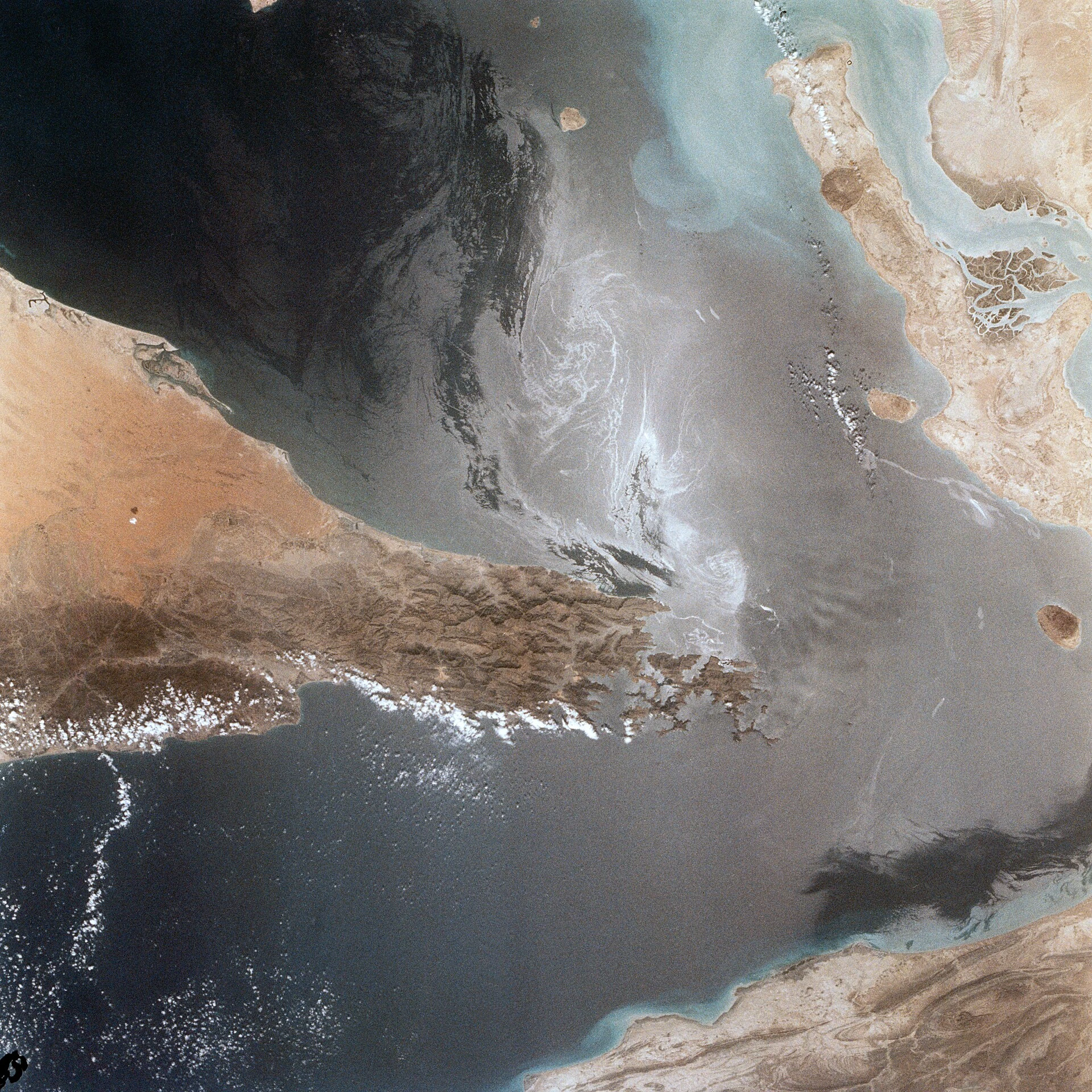
The latest drone episode also fits into a wider escalation that has spread beyond shipping lanes. CENTCOM said U.S. and partner forces intercepted Iranian ballistic missiles aimed at Kuwait and Bahrain, while U.S. forces carried out self-defense strikes on Iranian radar and control sites in Iran. Bahrain air defense forces and Kuwaiti forces have also been drawn into the defensive response, underscoring how the standoff has widened across the region.
For the United States, the military significance is immediate: U.S. forces are no longer only warning off threats, but directly intercepting Iranian drones near civilian vessels in a strategically vital waterway. For markets, the message is just as clear. The Strait of Hormuz remains a pressure point where military escalation can quickly become an oil-market event, and a shipping lane problem can become a pocketbook problem for Americans.
Sources
- [1]nbcnews.com
- [2]centcom.mil