Technology
U.S. signs $874 million chip research deals to strengthen supply chain

The Commerce Department signed letters of intent worth $874 million with seven companies to support semiconductor research and development, putting fresh federal money into the part of the chip chain that turns laboratory advances into manufacturable technology. NIST said the incentives are aimed at research, not immediate mass production.
The package lands at the center of a national effort to reduce U.S. dependence on Asia for advanced chips and the materials, equipment and engineering know-how that support them. Semiconductors feed nearly every major technology sector, from artificial intelligence and cloud computing to military systems, smartphones, cars and industrial automation, which is why shortages during the pandemic turned a supply issue into a policy priority.
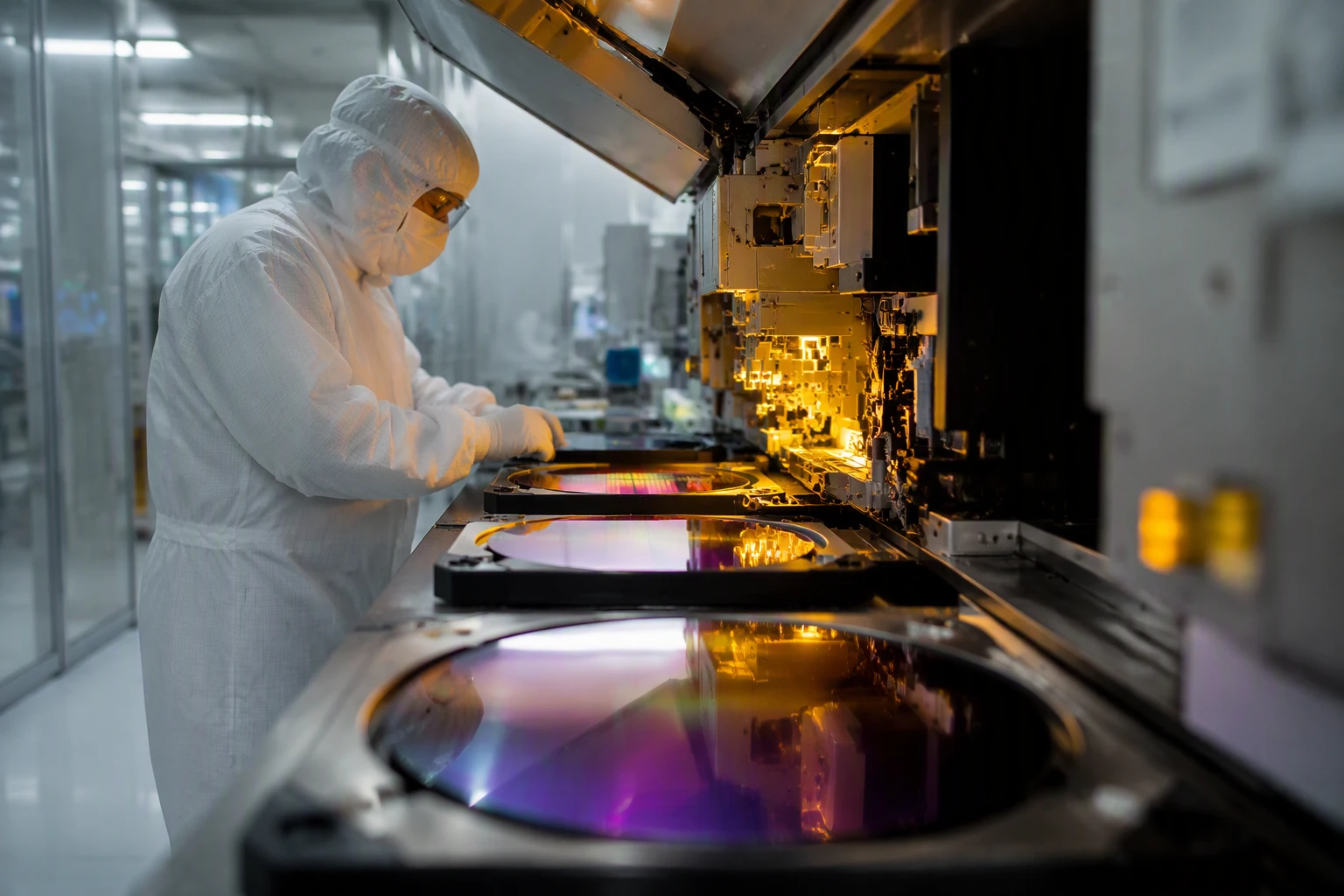
Washington’s latest round of funding is designed to spread across the ecosystem rather than back one flagship factory. That matters because chip leadership depends on more than a single foundry: it requires wafer materials, photonics, advanced packaging, test facilities and the specialized research that can move a concept from prototype to production. One visible piece of that effort is GlobalFoundries, which received a separate $300 million award to develop faster AI chip links and accelerate U.S. silicon photonics leadership.

The broader framework is the CHIPS and Science Act, which authorizes more than $50 billion for domestic semiconductor manufacturing and research. The July 30 package shows how that law is still being used to channel public money into strategic parts of the supply chain even as the policy emphasis shifts toward research, design and scale-up rather than immediate factory headlines.

The stakes are not just industrial. A July 2026 House letter from the Select Committee on the Chinese Communist Party warned that memory semiconductor shortages could raise consumer electronics prices and speed adoption of Chinese memory chips, underscoring how chip policy now intersects with inflation, national security and competition with China. The question for the seven-company package is whether federally backed research can close the gap between breakthrough work in labs and durable manufacturing strength in the United States.