US News
US Slashes Tariffs on India to 18% as Modi Moves to Halt Russian Oil Imports
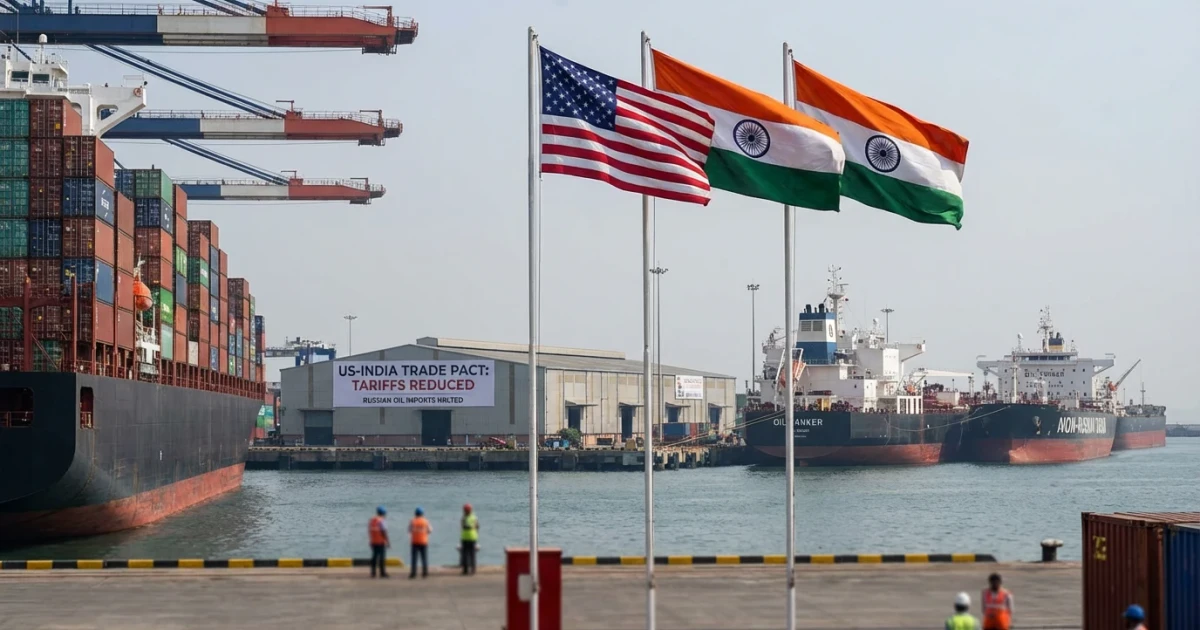
In a landmark agreement set to reshape international trade and energy relations, the United States has announced a major reduction in tariffs on Indian goods, dropping rates to 18%. This dramatic policy shift comes as Indian Prime Minister Narendra Modi pledges to halt all purchases of Russian oil—a move with significant ramifications for global energy dynamics and US-India relations.
Major Tariff Reduction Signals Thaw in US-India Trade
The United States' decision to cut tariffs on imports from India to 18% marks one of the most significant adjustments in recent bilateral trade history. Both Al Jazeera and Reuters confirm that the new tariff rate reflects a substantial drop, aimed at fostering closer economic ties between the world’s largest democracies.
- Previous tariffs on Indian goods had been a source of tension, with rates notably higher in recent years due to disputes over trade imbalances and market access.
- The 18% rate is expected to boost Indian exports to the US, particularly in sectors like textiles, pharmaceuticals, and technology.
This agreement could provide a major stimulus for Indian manufacturers and exporters, while also offering American consumers access to more competitively priced goods.
India to Cease Russian Oil Purchases: A Strategic Shift
In exchange for the tariff concession, Prime Minister Modi has committed to ending purchases of Russian oil. Both reports emphasize that this is a significant policy reversal for India, which has historically relied on Russian energy imports to meet its growing demand.
- India is among the world’s top oil importers, and Russian crude has been a crucial part of its energy mix, especially since the start of the war in Ukraine.
- This move aligns India more closely with US and Western sanctions efforts aimed at curbing Russian energy revenues.
The end of Russian oil imports will force India to diversify its energy suppliers, potentially leading to increased purchases from the Middle East, the US, and other allies. It also demonstrates India’s willingness to recalibrate its foreign policy priorities in favor of deeper engagement with Washington.
Geopolitical and Economic Implications
Analysts note that this dual announcement is likely to reverberate across global markets and diplomatic circles:
- For the US, the deal represents a win in its ongoing efforts to isolate Russia economically and reduce Moscow’s influence over key energy markets.
- For India, the tariff reduction offers a tangible economic benefit at a time when export-led growth is a top priority.
- This agreement could serve as a model for leveraging trade incentives in pursuit of broader geopolitical goals.
However, the move could prove challenging for India’s energy security in the short term. Finding alternative suppliers may increase costs, and it remains to be seen how quickly the Indian economy can adjust. Conversely, US businesses and consumers could benefit from lower import prices, while American oil exporters may see new opportunities in the Indian market.
Looking Ahead: Strengthening the US-India Partnership
This historic accord underscores the growing strategic partnership between Washington and New Delhi. As both nations navigate a complex international landscape, closer economic and diplomatic ties are likely to yield further agreements in trade, technology, and security.
The success of this arrangement will depend on its implementation and the ability of both sides to manage domestic and international responses. Nevertheless, the decision to cut tariffs in exchange for a halt to Russian oil imports marks a new chapter in US-India relations—one defined by pragmatic cooperation and shared strategic objectives.
For ongoing updates and analysis on this evolving story, readers can follow Al Jazeera and Reuters for the latest developments.
Sources
- [1]Al Jazeera
- [2]Reuters