Health
U.S. spends $750,000 to evacuate woman from Pitcairn Island after hantavirus exposure
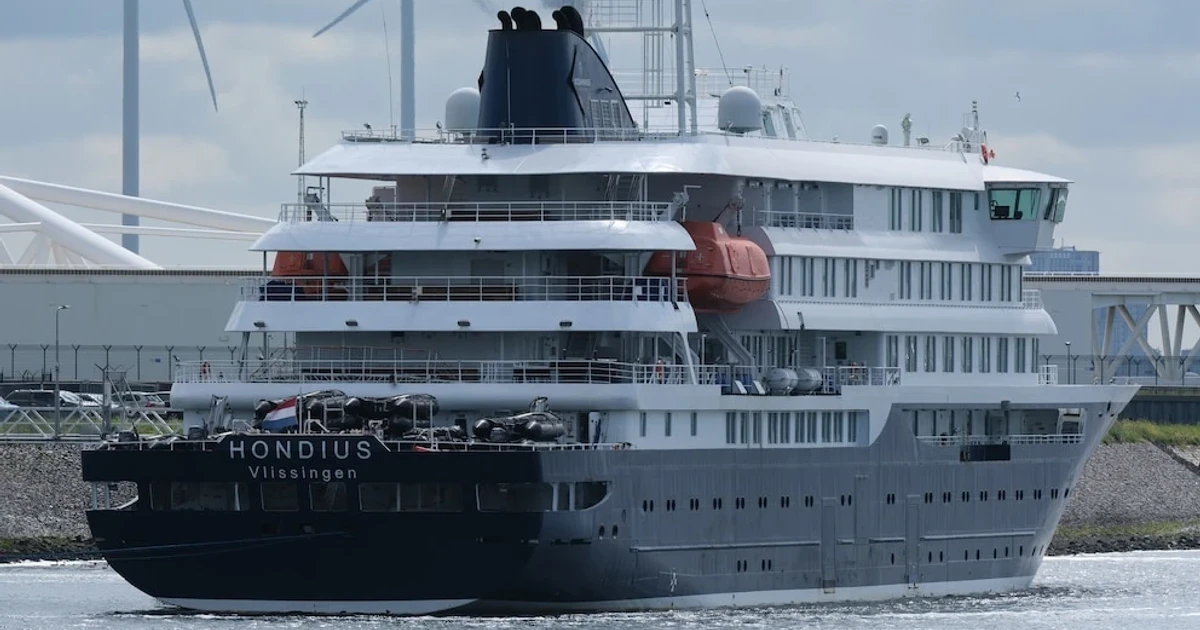
A single American woman on Pitcairn Island was set to cost U.S. taxpayers about $750,000 to evacuate after a possible hantavirus exposure on the cruise ship MV Hondius, turning a remote medical rescue into a sharp test of federal responsibility abroad. The price tag also showed how quickly an unusual health scare can strain an emergency system already under budget pressure.
The woman had been aboard the Dutch cruise liner in April, then traveled to San Francisco, moved onward through Tahiti and reached Pitcairn, the isolated British territory in the South Pacific. With no airport and limited transport, the U.S. arranged to charter a private yacht, and the final cost was still being calculated while the operation was underway.
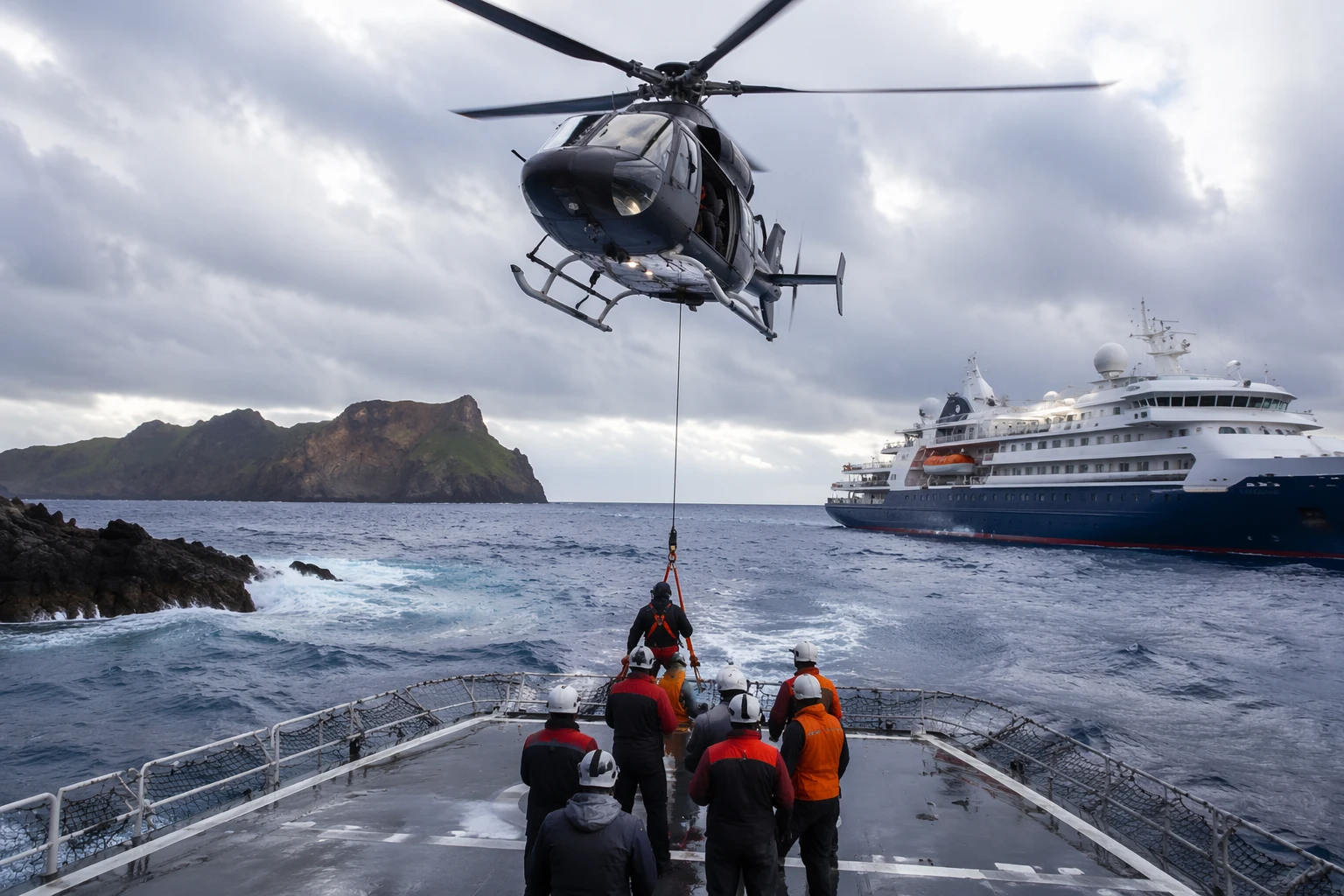
The evacuation unfolded alongside a broader public-health response to a deadly Andes virus outbreak linked to the ship. The Centers for Disease Control and Prevention said no cases of Andes virus had been confirmed in the United States from the outbreak and that the risk to the American public and travelers was extremely low. Even so, the CDC had already repatriated 18 potentially exposed people in May 2026 for a 42-day monitoring period at the National Quarantine Unit at the University of Nebraska Medical Center. As of June 11, eight of those people were still there and 10 had returned home to finish monitoring, while several other U.S. passengers who had already disembarked before the outbreak was identified completed the 42 days with no detected cases.
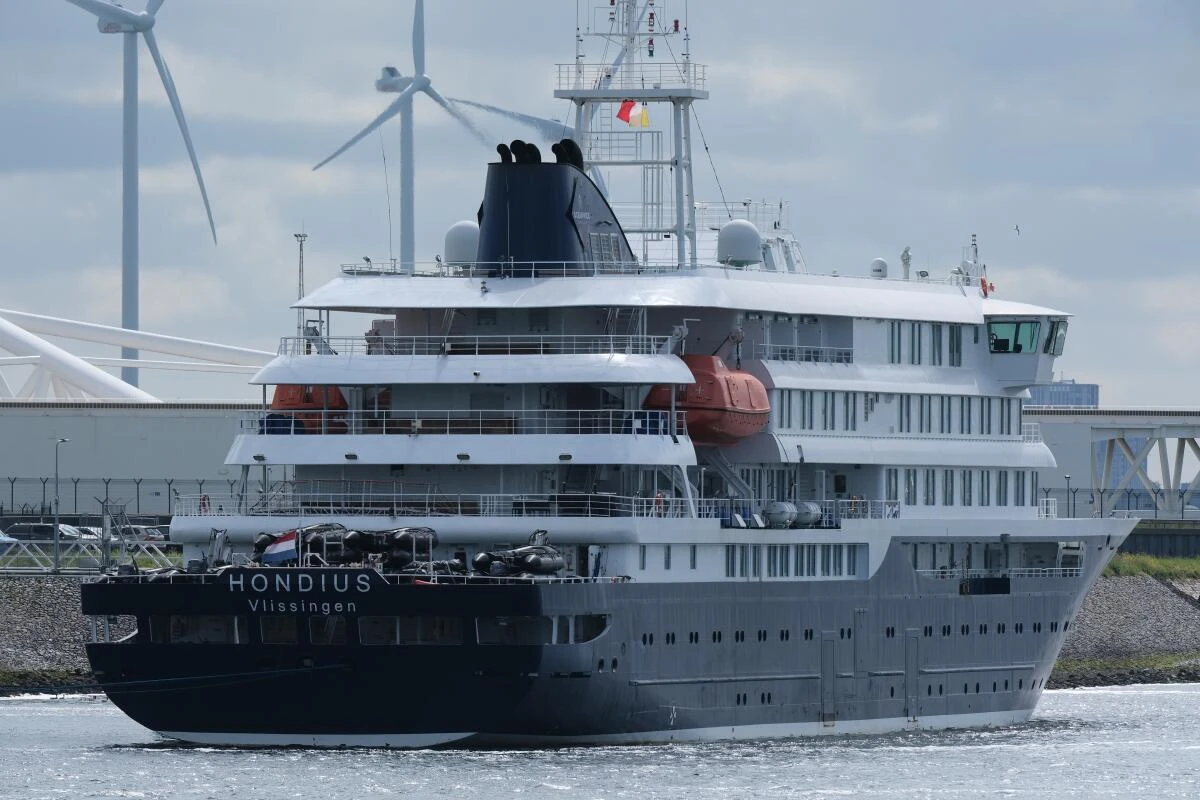
International agencies have treated the ship outbreak as a cross-border contact-tracing problem rather than a single-vessel illness. The World Health Organization said that as of May 27 there were 13 total cases, including 11 confirmed and two probable, with three deaths and a case fatality ratio of 23 percent. The European Centre for Disease Prevention and Control said the ship carried passengers and crew from 23 countries, including nine EU and EEA countries, and that the risk to the general population remained very low.
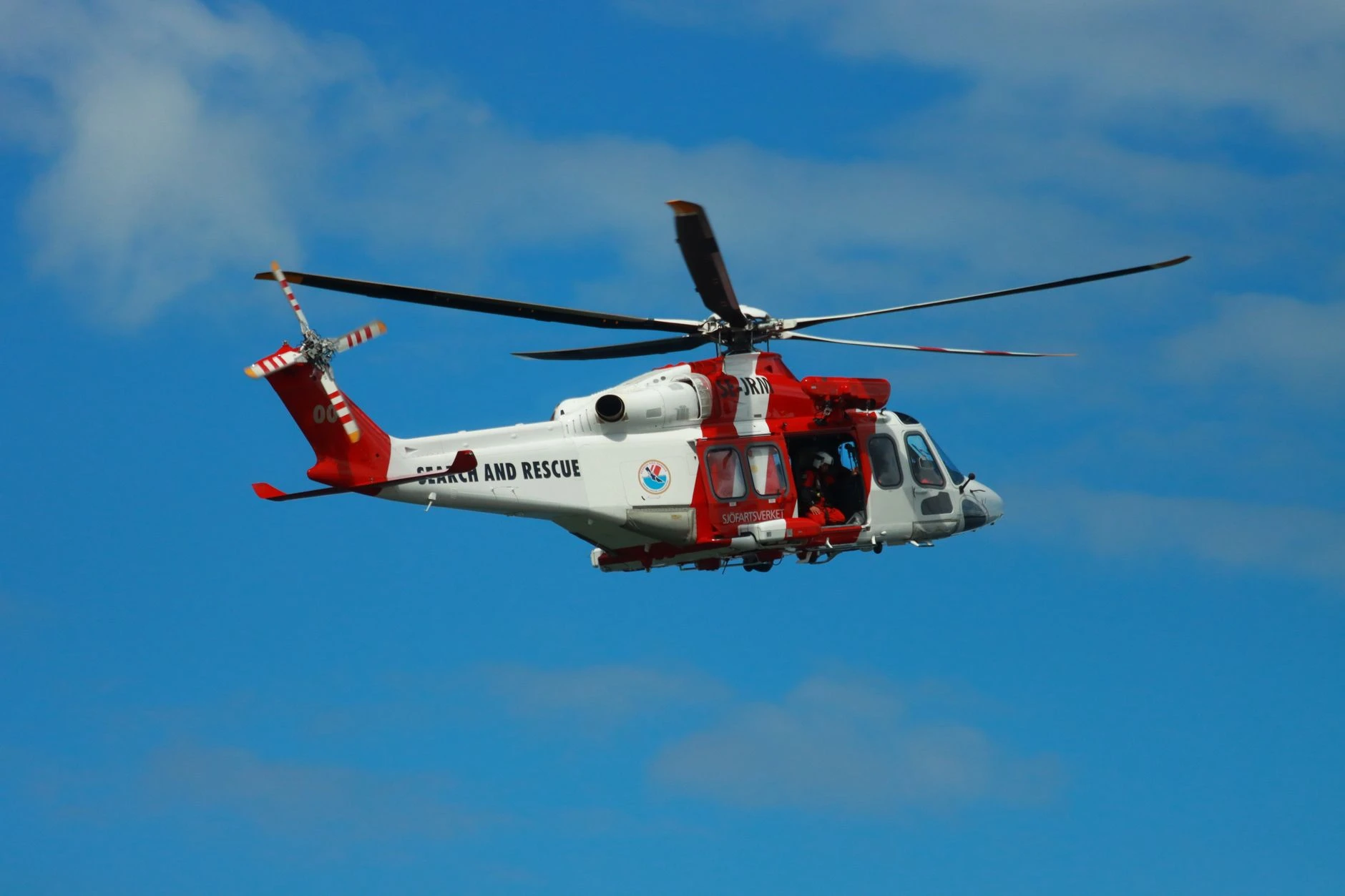
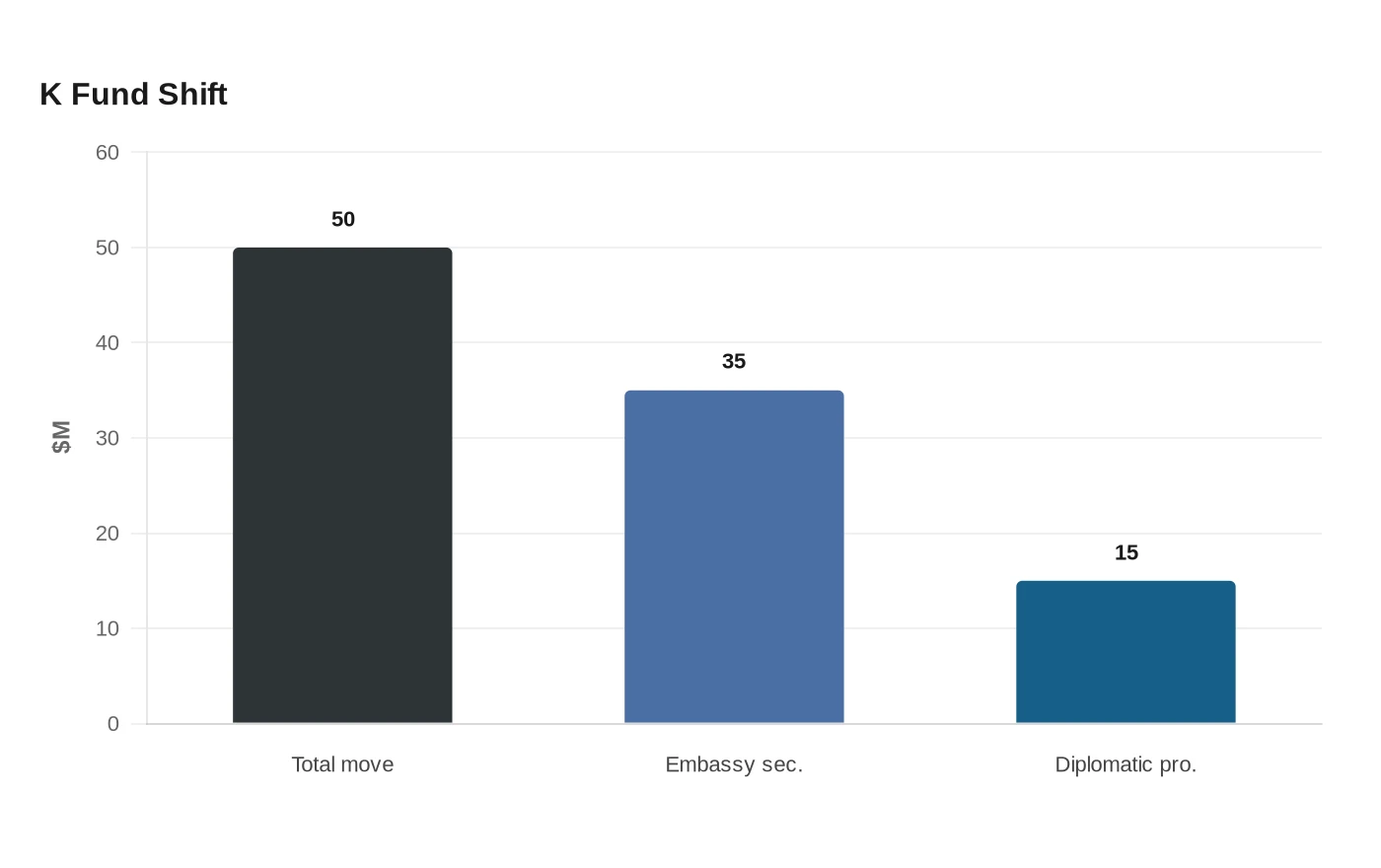
The fiscal pressure around the rescue matters beyond this one case. Internal documents show the State Department’s emergency account, known as the K Fund, was already at its lowest level in seven years, and officials were considering moving as much as $50 million into it, including $35 million from embassy security, construction and maintenance accounts and another $15 million from broader diplomatic programming. The Pitcairn evacuation made plain how a rare illness, a remote island and a stranded citizen can combine into a six-figure federal obligation.
Sources
- [1]abcnews.go.com
- [2]abcnews.com
- [3]cdc.gov
- [4]who.int
- [5]ecdc.europa.eu