US News
US Stock Futures Slide as Tariff Uncertainty Grows
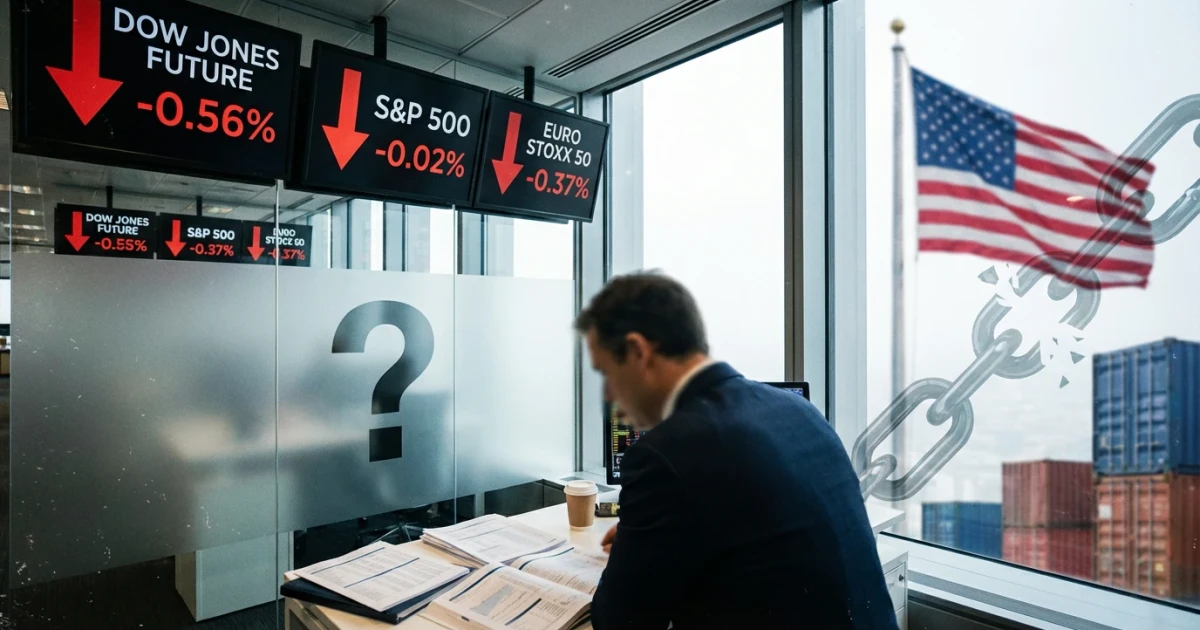
US stock futures fell on Friday as investors reacted to fresh uncertainty surrounding possible new tariffs proposed by former President Donald Trump. The volatility comes amid heightened trade tensions and firm statements from European Union officials in the wake of a recent US Supreme Court decision.
Market Reaction to Tariff Concerns
Early morning trading saw US stock index futures trending lower, reflecting investor concerns about the potential economic impact of new tariffs. The moves followed reports that Trump was considering additional tariffs, a policy tool he frequently used during his presidency to address perceived trade imbalances.
The market’s response underscores persistent sensitivity to shifts in trade policy. Investors often view tariffs as a source of uncertainty for global supply chains, corporate profits, and consumer prices. For those tracking the longer-term effects, the U.S. Census Bureau’s historical foreign trade data reveals how tariffs have previously affected import and export volumes.
European Union: No Tariff Increases After Supreme Court Ruling
Adding to the day’s uncertainty, the European Union issued a strong statement rejecting any increase in US tariffs, emphasizing that "a deal is a deal." EU officials referenced a recent US Supreme Court ruling related to trade agreements, arguing that the legal framework should prevent unilateral tariff hikes.
EU representatives stressed the importance of maintaining stable trade relations, warning that any unilateral tariff increases would be met with firm opposition. The statement reflects the EU’s longstanding position that negotiated trade deals provide predictability for businesses and workers on both sides of the Atlantic.
Background: Trump’s Tariff Strategy and Global Trade Tensions
During his previous term, Trump imposed a series of tariffs targeting imports from China, the EU, and other trading partners, sparking a cycle of retaliatory measures. The Peterson Institute for International Economics maintains a comprehensive timeline of these actions and their global repercussions.
- Tariffs often targeted industrial goods, steel, aluminum, and technology products.
- Responses included tit-for-tat tariffs from the EU, China, and other nations.
- The policy led to fluctuations in global trade flows and market volatility, as recorded in U.S. International Trade Commission data.
Trade experts note that tariffs can raise costs for American businesses and consumers, disrupt supply chains, and complicate international relations. For those seeking more information on how tariffs affect domestic prices and jobs, the Center on Budget and Policy Priorities offers a detailed explainer on the subject.
What’s Next for US Trade Policy?
As of Friday, investors remain cautious, waiting for more clarity on whether the Trump team will move forward with new tariffs and how trading partners might respond. With the EU taking a firm stance and market participants closely monitoring official statements, the outlook for US trade policy remains uncertain.
Future developments will likely hinge on political negotiations, judicial interpretations of trade law, and economic data reflecting the impact of any new tariff measures. For ongoing updates, readers can track official tariff rates and policy changes at the U.S. Department of Commerce’s tariff database.
In the meantime, market volatility may persist as investors digest the implications of shifting trade strategies and the potential consequences for global economic growth.