World
U.S. strikes hit Iran as Khamenei funeral tests regime support
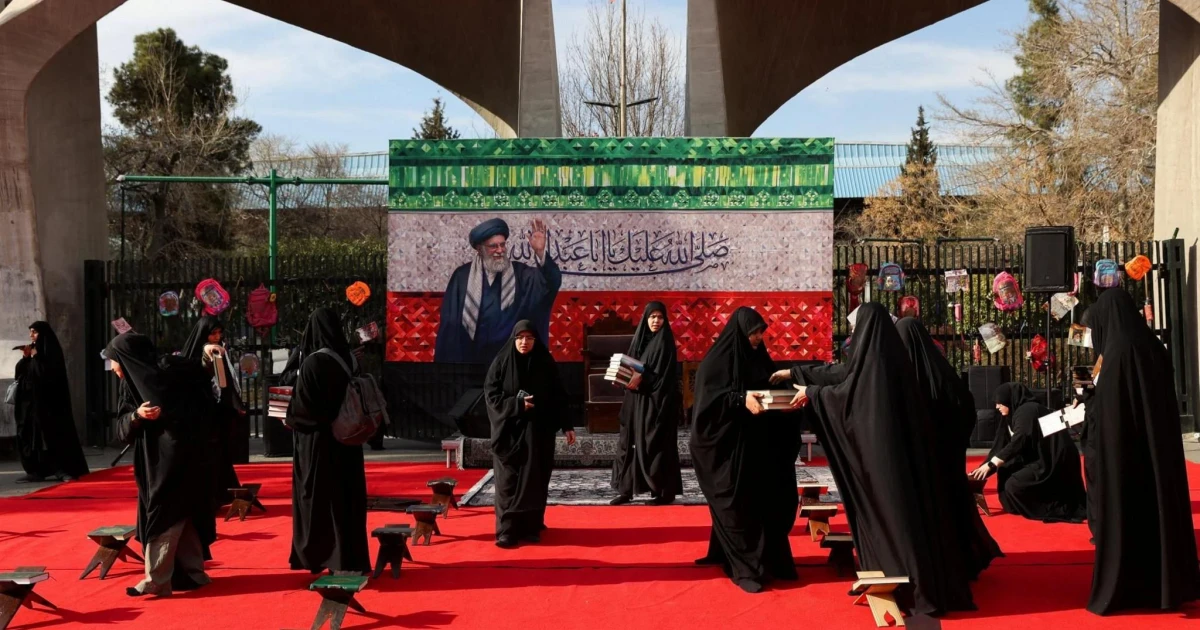
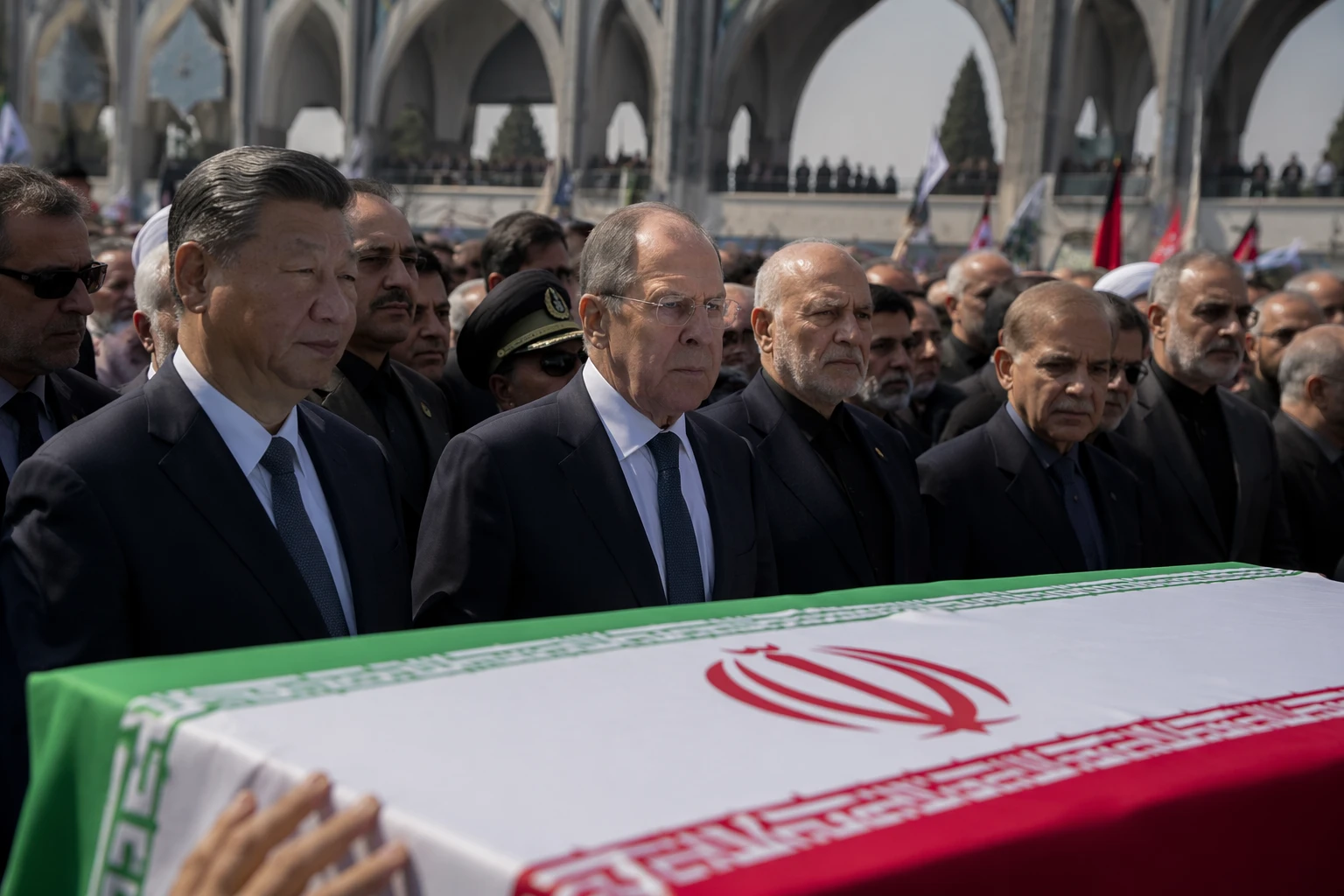
Foreign delegations from China, Russia and Pakistan joined mourners in Tehran as the funeral for Ayatollah Ali Khamenei became a wartime test of Iran’s remaining support. Iranian state media said the six-day rites began on July 4 and would end with burial in Mashhad on July 9, while military officials warned the United States and Israel against further attacks as the ceremonies unfolded.
The state cast the funeral as both religious observance and political demonstration, a chance to show that the Islamic Republic could still mobilize mass support after months of war. Khamenei was killed in an airstrike on Feb. 28, 2026, at the start of the conflict with the United States and Israel, and the scale of the procession carried the weight of a legitimacy test. Some reporting said millions of mourners were expected, making attendance itself a measure of loyalty as the regime tried to project steadiness after a deadly strike on its top leadership.
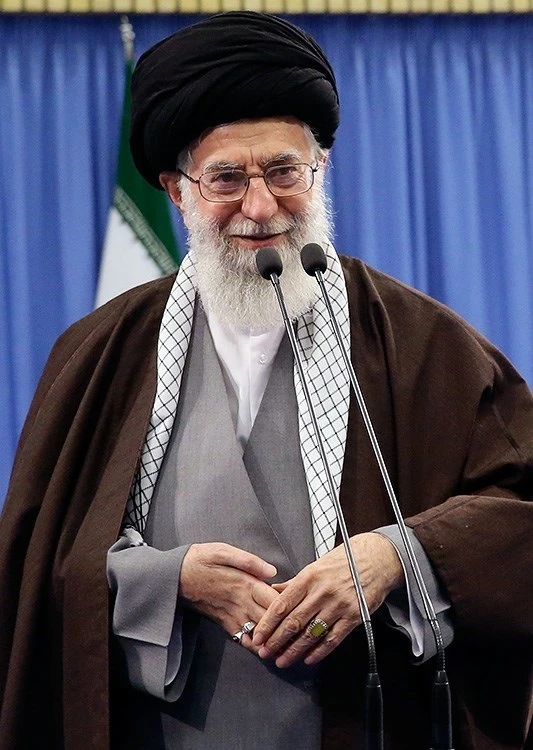
Succession questions hovered over the coffin. Reporting around the funeral focused on Mojtaba Khamenei, whose name has circulated in discussions of who could follow his father, even as at least one reported prayer scene showed three sons of the slain leader praying beside the coffin without Mojtaba. That absence sharpened the optics of a transition still being managed in public, with the regime eager to show order while the leadership line remained unsettled.
Masih Alinejad, the Iranian-American journalist and activist long targeted by Tehran, pushed back against the spectacle and called the funeral a “terrorist summit.” Her criticism carried added force because of the U.S. Department of Justice case in which Rafat Amirov and Polad Omarov were sentenced over a failed murder-for-hire plot against her in New York City. For Alinejad, the ceremony was not just a burial but a display of a state she says has used violence and repression at home and abroad.
The foreign guests mattered as much as the domestic crowd. The presence of officials and religious figures from China, Russia, Pakistan and other countries signaled that, even under U.S. strikes, Tehran still had a circle of governments willing to appear in public with it. For Iran, the funeral was meant to show continuity after Khamenei’s death, but the need to stage that message so visibly pointed to how much pressure the regime was already under.
Sources
- [1]cbsnews.com
- [2]aljazeera.com
- [3]reuters.com
- [4]justice.gov
- [5]usnews.com