World
U.S. strikes hit Iranian military targets as conflict widens in Gulf
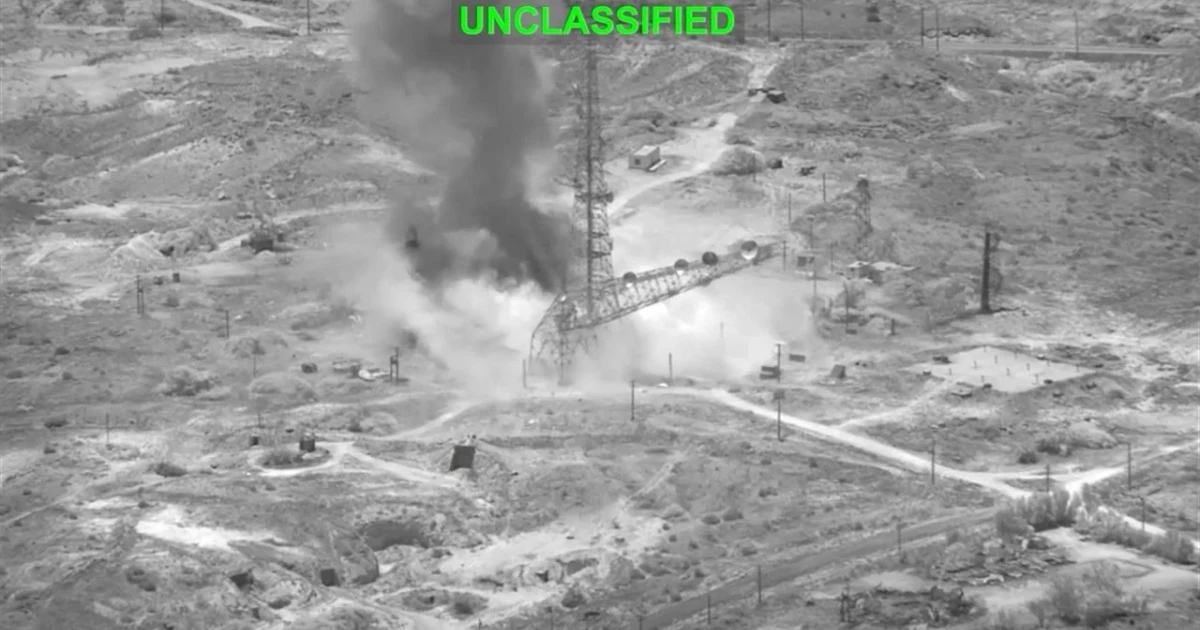
U.S. Central Command said its latest strikes hit dozens of Iranian military targets, while Iranian state media reported that bridges and a port in southern Iran were struck as the air campaign entered a sixth straight night. The split between the two accounts widened the stakes beyond battlefield damage and into territory that could affect ports, transport links and shipping through the Strait of Hormuz.
The latest U.S. statement made no mention of civilian infrastructure. Iranian officials and state media, however, said the strikes hit southern Iran and described damage that included reported power outages and an attack on a train station in Bandar Abbas, the main port city on Iran’s south coast. The latest U.S. target set also included Bandar Abbas, placing one of Iran’s most important commercial hubs inside the fight.
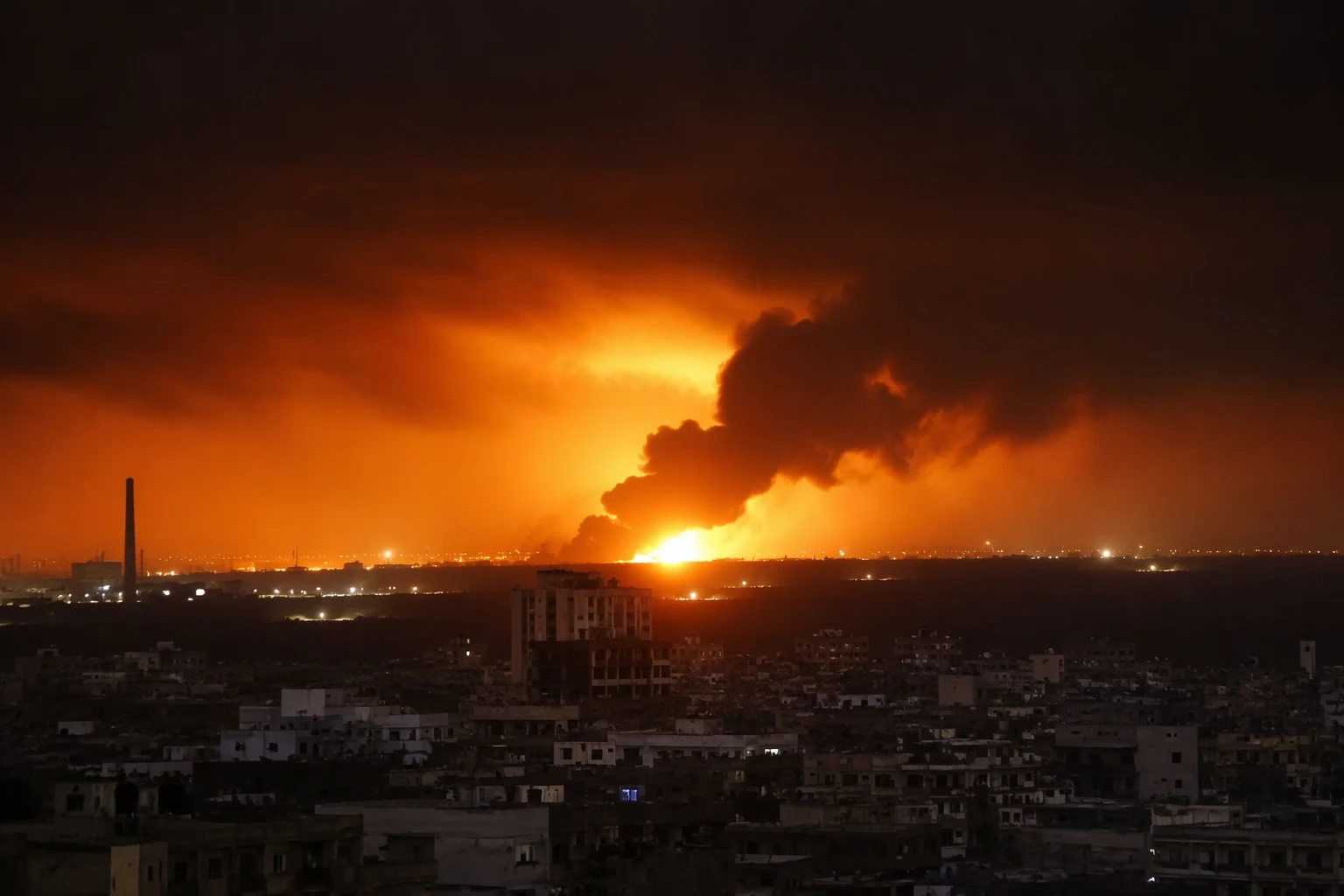
The pace of the strikes has accelerated over the past week. Earlier in the campaign, the U.S. said it hit more than 80 targets in one retaliatory round, and on Saturday it said it struck 140 Iranian military targets. The latest wave followed that pattern of repeated attacks against military infrastructure, even as Iranian accounts pressed the claim that bridges and port facilities had been hit.
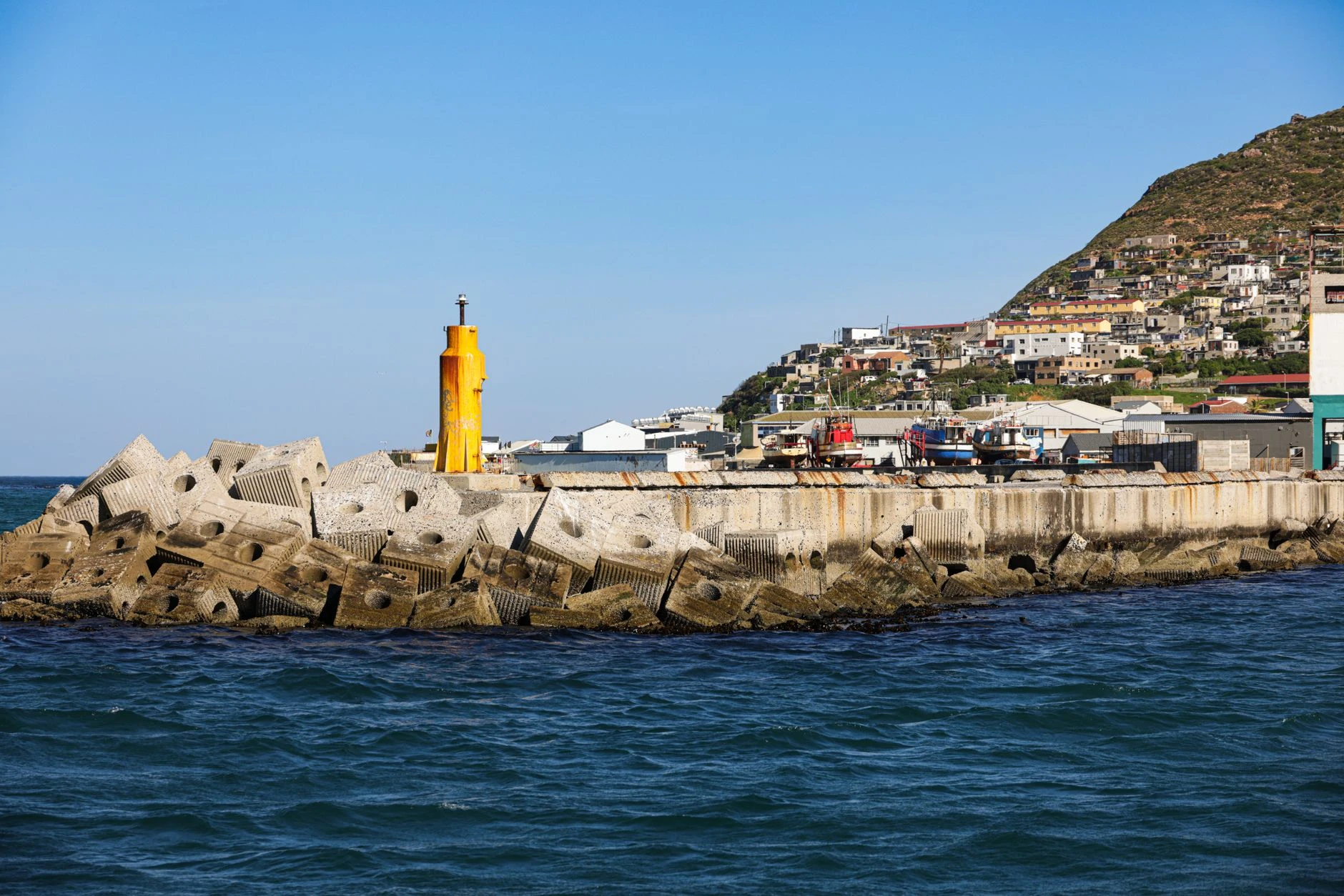
The confrontation has already spilled across the Gulf. Iranian forces hit U.S. military targets in the Gulf in retaliation, and President Donald Trump has warned the fighting could intensify further. The U.S. Navy has resumed a blockade of Iran’s ports during the conflict, adding pressure on maritime traffic just as the Strait of Hormuz has become the central arena of the struggle.
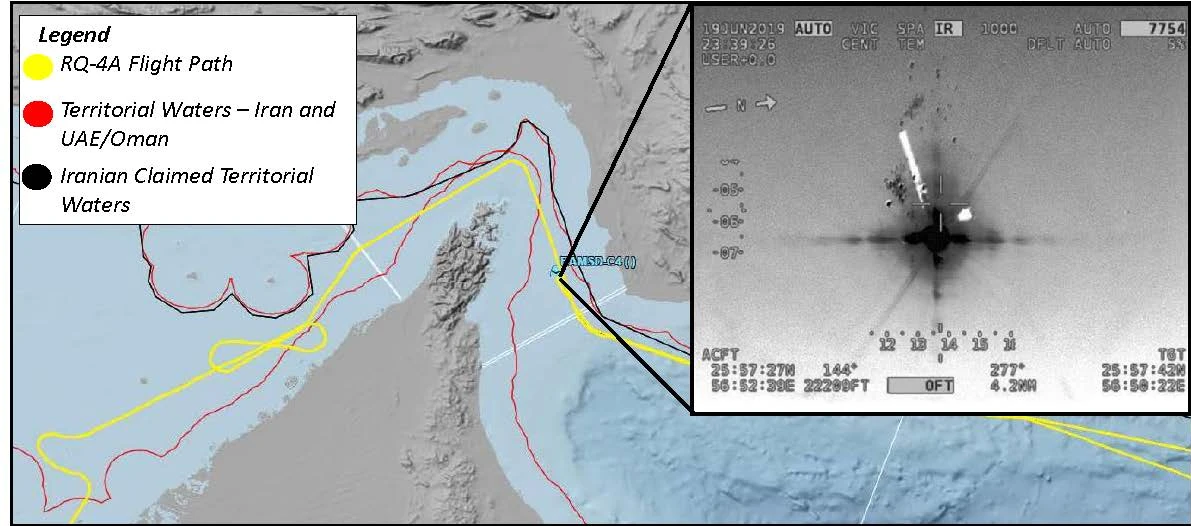
That waterway is one of the world’s most sensitive shipping lanes, and the appearance of bridge, port and rail targets around Bandar Abbas raises the risk that the campaign is moving closer to infrastructure with economic as well as military value. If the strikes broaden from armed targets to facilities tied to trade and transport, the conflict could carry greater consequences for regional shipping and the wider market response already watching the Strait of Hormuz.
Sources
- [1]nytimes.com
- [2]centcom.mil
- [3]reuters.com
- [4]bbc.com
- [5]aljazeera.com
- [6]iranintl.com