World
US strikes hit Iran’s south after attacks on ships in Strait of Hormuz
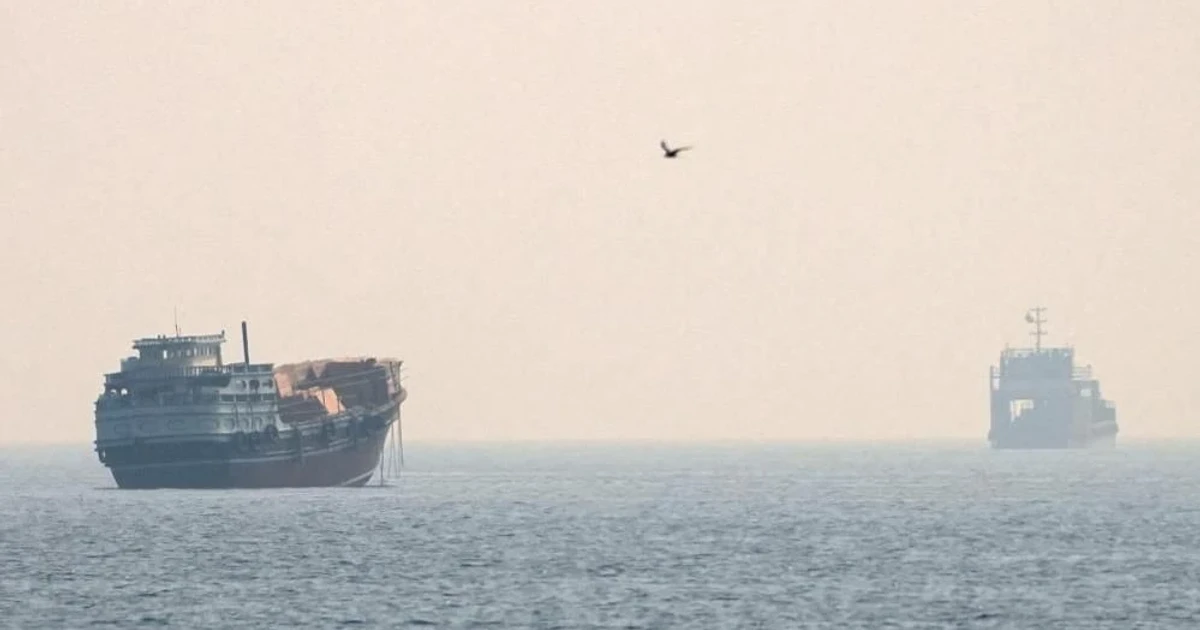
The U.S. military launched a new wave of strikes against Iran after attacks on three commercial vessels in the Strait of Hormuz, hitting more than 80 targets in an escalation that pulled Gulf shipping and U.S. forces deeper into the confrontation. U.S. Central Command said it “started conducting additional strikes against Iran to further degrade their ability to threaten freedom of navigation in the Strait of Hormuz.”
The targets included Iranian air-defense systems, coastal radar sites, anti-ship missile capabilities and command networks, according to the reports. One account said more than 60 Islamic Revolutionary Guard Corps small boats operating in and around the strait were also struck, a sign that Washington was aiming not just at isolated launch sites but at the wider network used to pressure tankers and other commercial traffic.
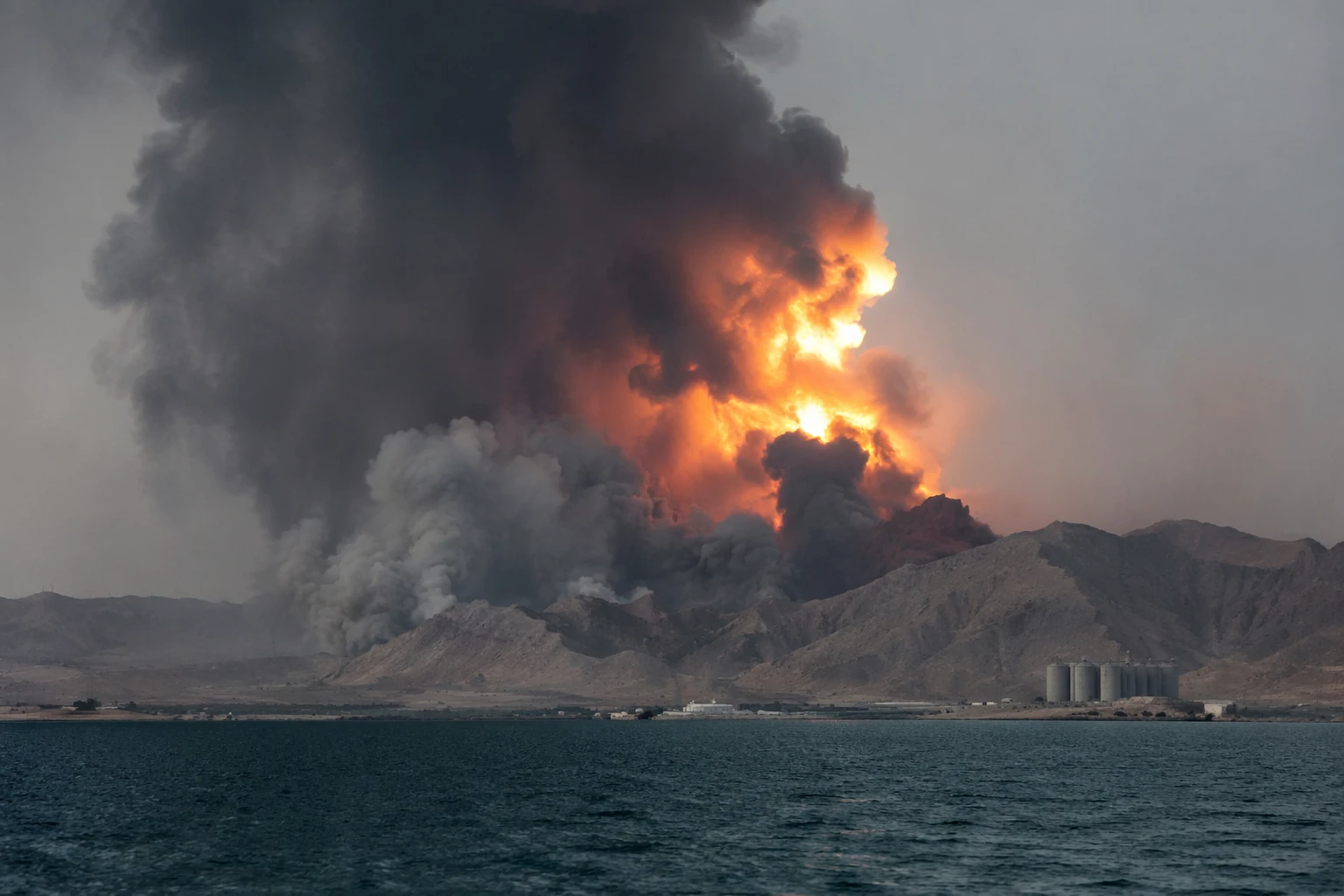
Iranian state media said explosions were heard in southern parts of the country, including Sirik, Bandar Abbas and Qeshm Island. One report said commercial and fishing piers were hit in Sirik, a coastal city near the waterway. The attacks came as maritime authorities raised the risk for ships transiting the Strait of Hormuz to severe, underscoring how quickly the fighting has shifted from a military exchange to a direct threat to one of the world’s most sensitive shipping lanes.

The strikes also widened the regional danger. Sirens sounded in Kuwait and Bahrain, and Iran’s Revolutionary Guards claimed they targeted U.S. military sites in both countries in response. That puts U.S. forces and Gulf allies on alert for the next phase of retaliation, especially if Iran decides to answer with missiles, drones or renewed pressure on commercial shipping.
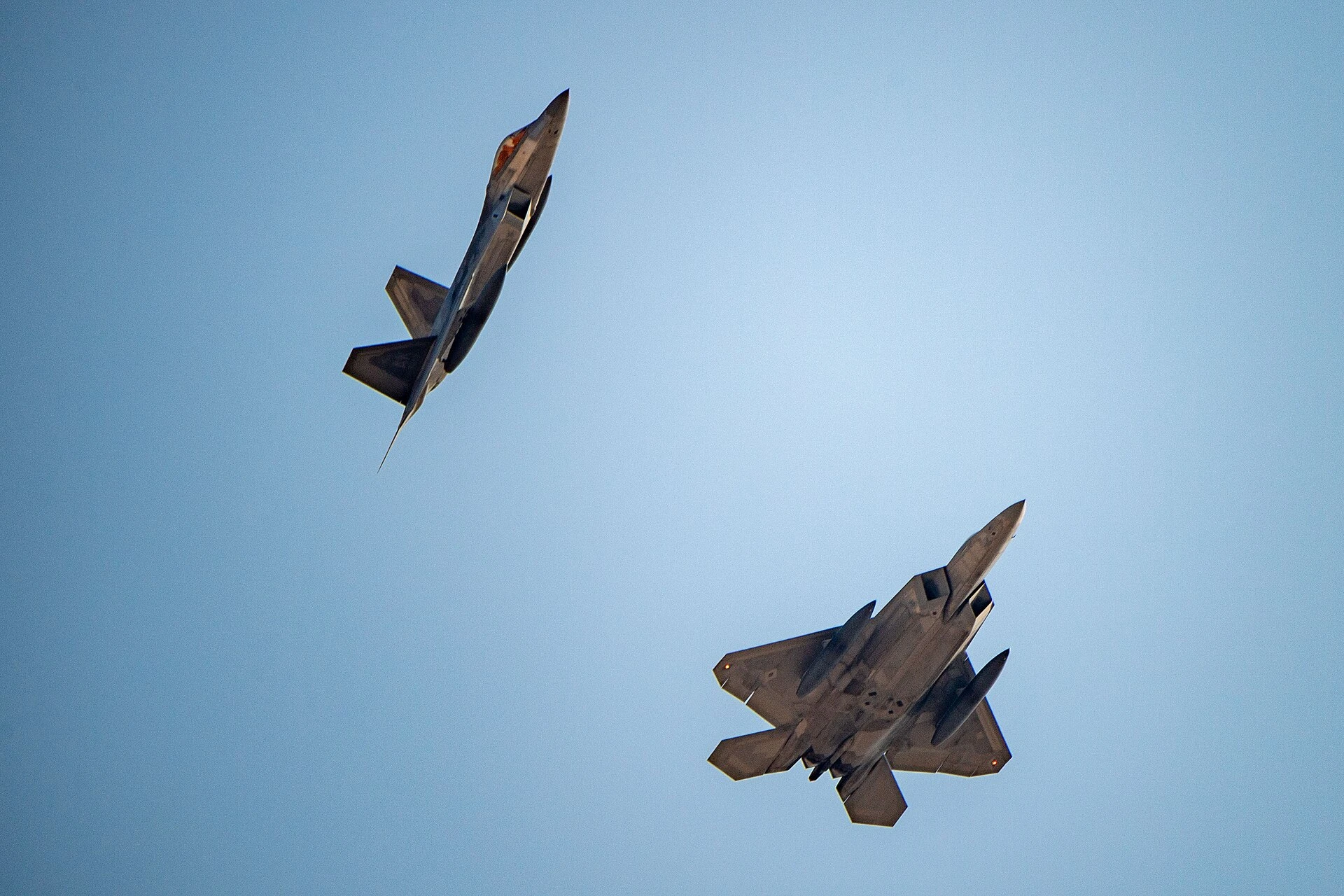
The confrontation has intensified alongside a fragile ceasefire. Donald Trump said the ceasefire was over and threatened to hit Iran hard again, while the U.S. revoked a license allowing Iran to sell oil, tightening economic pressure on Tehran at the same time as military pressure mounted. The latest exchange followed earlier tit-for-tat strikes in which the U.S. retaliated against Iranian radar and air-defense sites, leaving both sides closer to a broader regional conflict and the Strait of Hormuz more exposed to disruption.
Sources
- [1]bbc.co.uk
- [2]cbsnews.com
- [3]politico.com
- [4]aljazeera.com
- [5]irishnews.com
- [6]reuters.com
- [7]centcom.mil