World
U.S. strikes Iran after Apache helicopter goes down near Hormuz
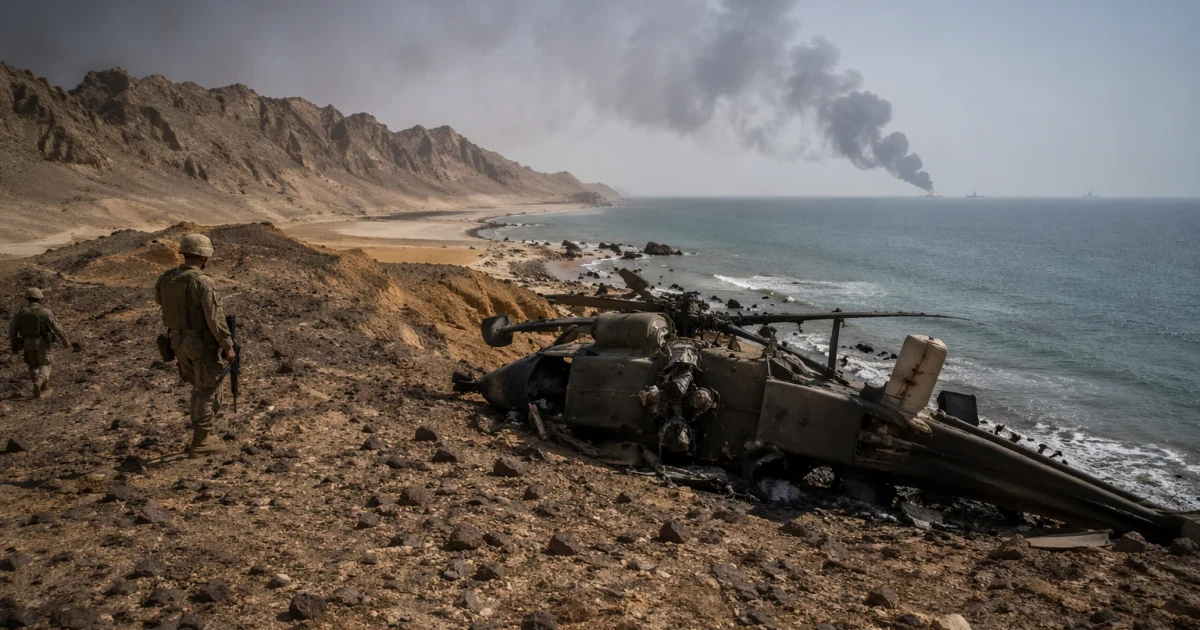
A downed U.S. Army AH-64 Apache near the Strait of Hormuz set off a rapid American response, with U.S. Central Command launching strikes on Iranian radar and air-defense sites and framing the move as a proportional act of self-defense. The episode sharpened a familiar crisis question in the Gulf: whether Washington could punish a hostile act without widening the fight.
CENTCOM said the helicopter went down near the Strait of Hormuz on June 8, 2026, while patrolling regional waters near the coast of Oman. The two crew members were recovered within about two hours and were in stable condition. The cause of the incident remained under investigation, and U.S. officials initially said it was unclear whether the Apache had been hit by Iranian fire, suffered a mechanical failure, or encountered another problem. A Navy unmanned surface vessel from Task Force 59 helped locate the crew, an apparent first for the Navy and the task force.
The retaliatory strikes came on June 9, 2026. CENTCOM described them as a “self-defense” and “proportional response” to what it called “unjustified Iranian aggression.” A U.S. official said the targets were radar and air-defense sites in Iran, a choice that signaled a limited military answer rather than an open-ended campaign. The message from Washington was unmistakable: attacks that put American aircraft or crews at risk would bring immediate punishment, but the initial response would stay inside a narrow lane.
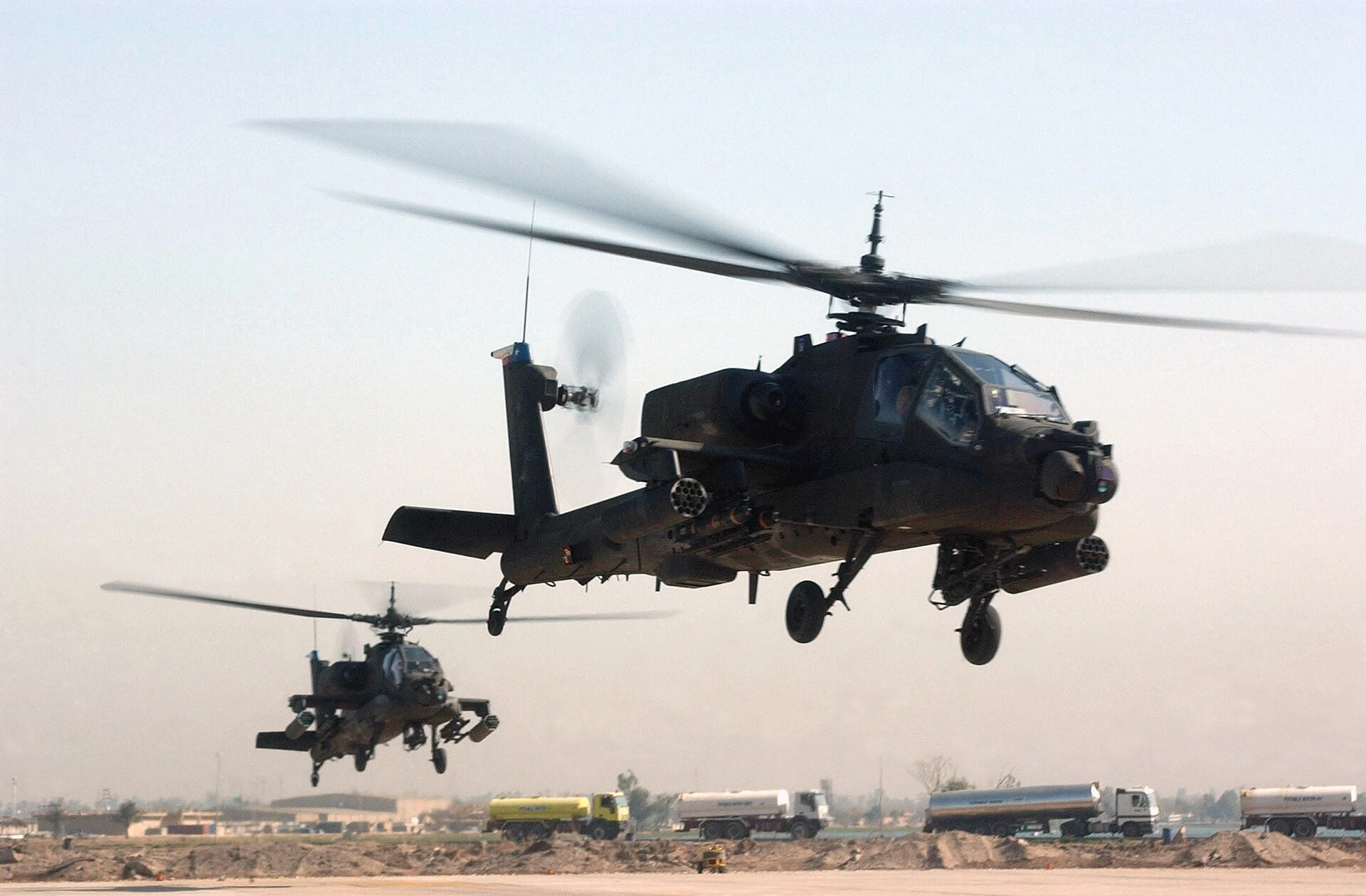
Donald Trump raised the political stakes even further. After the retaliatory strikes were announced, he said, “I believe the response should be very strong, very powerful.” He also said on Truth Social that he had been informed the Iranians shot down one of the “highly sophisticated Apache Helicopters” and that the United States must “of necessity” respond. The timing mattered. Trump had said the U.S. and Iran were in the final stages of a possible deal, telling reporters the previous day that an agreement could come in “two or three days.” The military escalation now threatens that diplomatic track.
Tehran answered with warnings of its own. Iranian Foreign Minister Abbas Araghchi called the attack a “test of our determination” and said Iran would leave no attack or threat unanswered. Parliament Speaker Mohammad Bagher Ghalibaf warned that if commitments were broken, Iran would “switch” to a different language. For now, the threshold for deterrence is clear: if both sides confine themselves to measured strikes and keep crews, ships, and civilian traffic out of the line of fire, the clash may remain contained. If either side widens the target set or answers with further attacks on U.S. forces, the exchange could move from retaliation into a broader regional conflict.
Sources
- [1]cbsnews.com
- [2]politico.com
- [3]rferl.org
- [4]stripes.com
- [5]cnbc.com