World
U.S. strikes Iran after attacks on ships in Strait of Hormuz
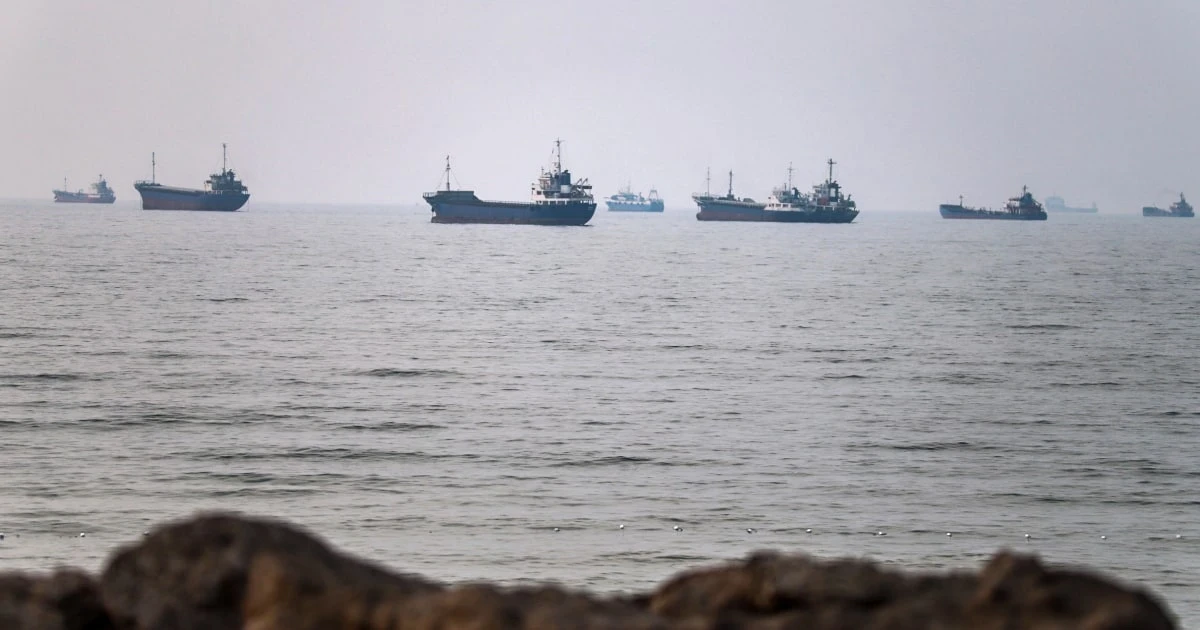
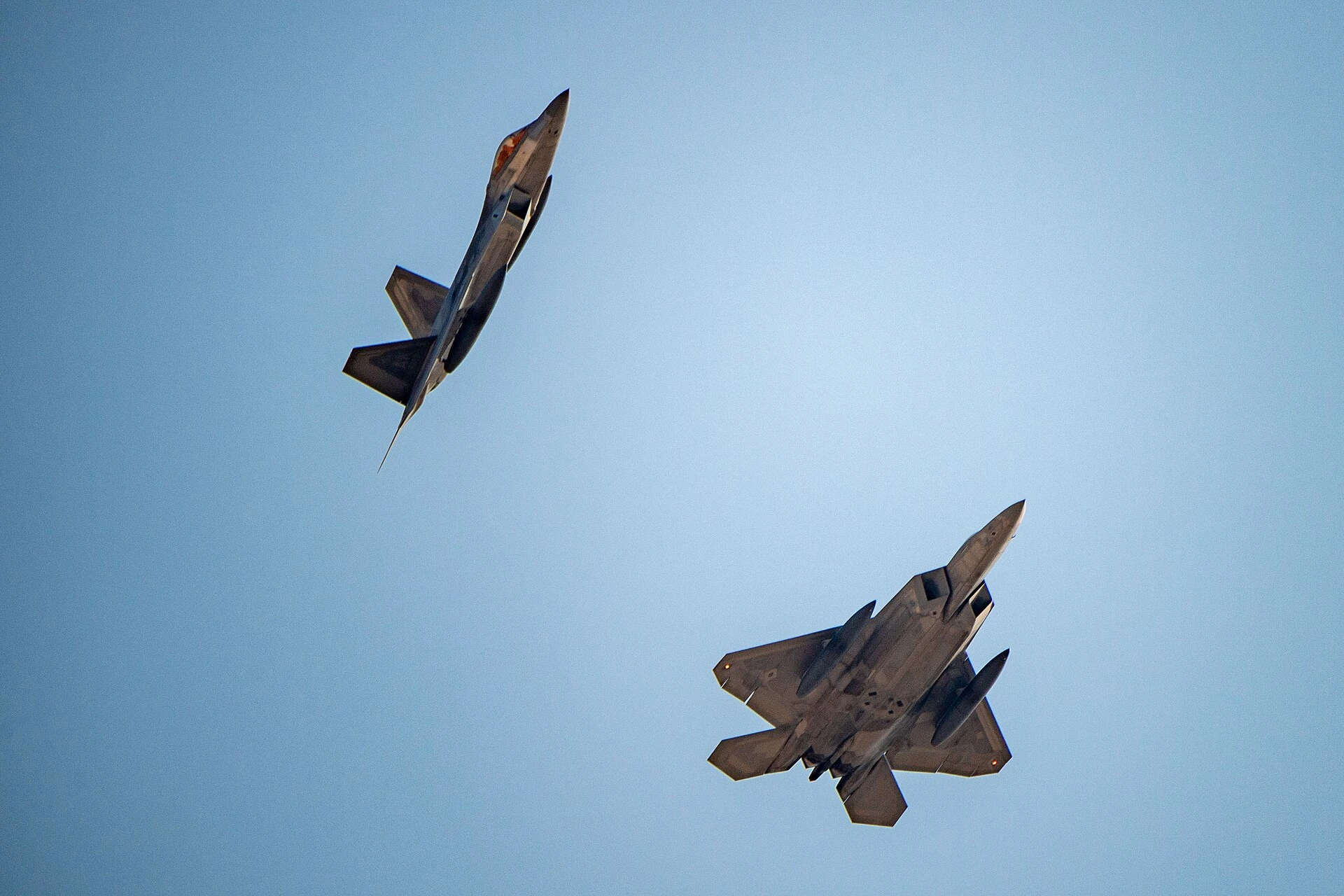
The U.S. military launched a series of powerful strikes against Iran on Tuesday after three commercial vessels were hit in the Strait of Hormuz, a waterway that carries about 20% of the world’s oil traffic. U.S. Central Command said the attacks were retaliation for targeting civilian crews in an international shipping lane, sharpening fears that a maritime confrontation could spill into a broader U.S.-Iran clash.
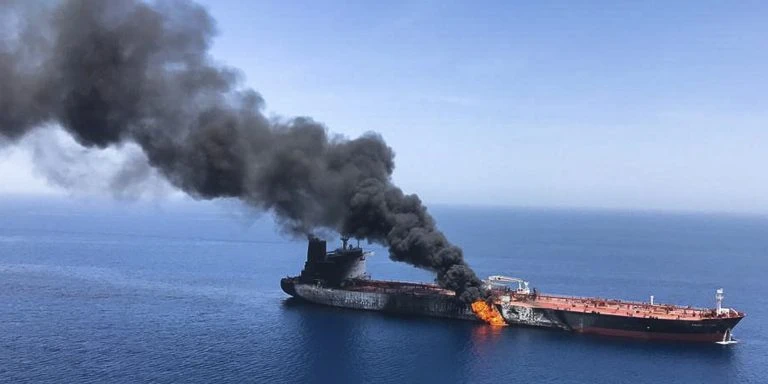
The immediate trigger was a set of strikes on three ships, including at least one tanker that caught fire off the coast of Oman. At least two vessels were damaged, and no injuries were immediately reported. U.S. officials and maritime monitors tied the attacks to Iran’s Revolutionary Guards, underscoring how quickly the region’s most sensitive shipping route can become a military flashpoint.
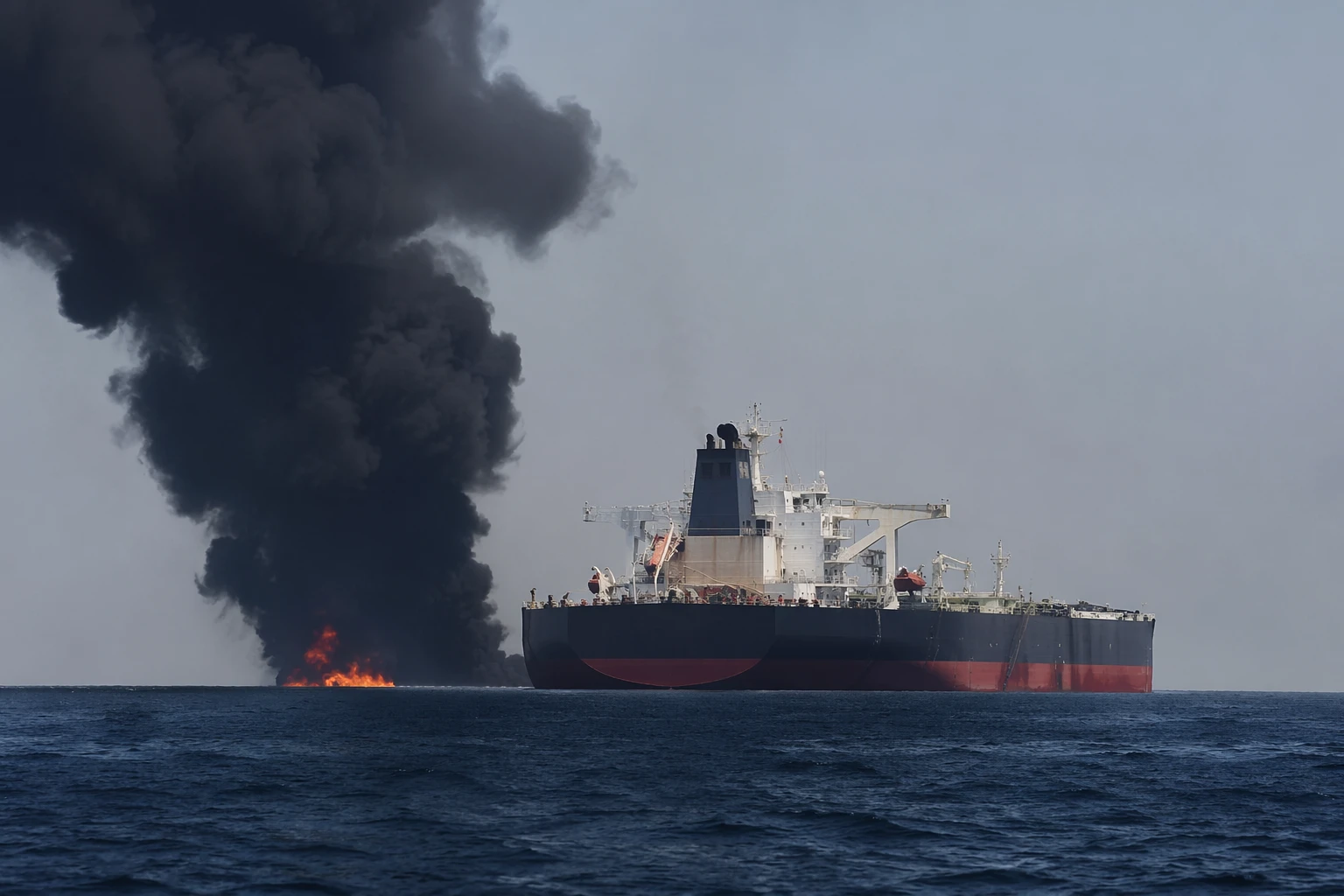
The exchange reverberated far beyond the vessels themselves. Iranian media reported explosions in southern Iran near Bandar Abbas, Qeshm Island and Sirik after the U.S. strikes, while Qatar condemned the attack on its tanker and said Iran was responsible. Those developments fed fears of another cycle of retaliation in the Gulf, where each round of attacks raises the chance of wider disruption to commercial traffic and energy supplies.
The timing intensified the political stakes. The U.S.-Iran escalation threatened a memorandum of understanding signed less than three weeks earlier, and the U.S. Treasury Department moved to revoke a temporary license allowing Iranian oil sales around the same time. That combination of military action and economic pressure signaled a harder line from Washington even as the Strait of Hormuz remained exposed to further attacks.
Any additional strike on a tanker, port or military target around the Strait would mark the next rung up the ladder, with consequences that could reach shipping insurers, oil buyers and governments across the region. For now, the world’s most important oil chokepoint has become the center of a fast-moving confrontation in which the costs are already being measured in damaged ships, market anxiety and the risk of a wider regional rupture.
Sources
- [1]nbcnews.com
- [2]cnbc.com
- [3]axios.com
- [4]usnews.com
- [5]aljazeera.com
- [6]straitstimes.com