World
U.S. strikes Iran after attacks on ships in Strait of Hormuz
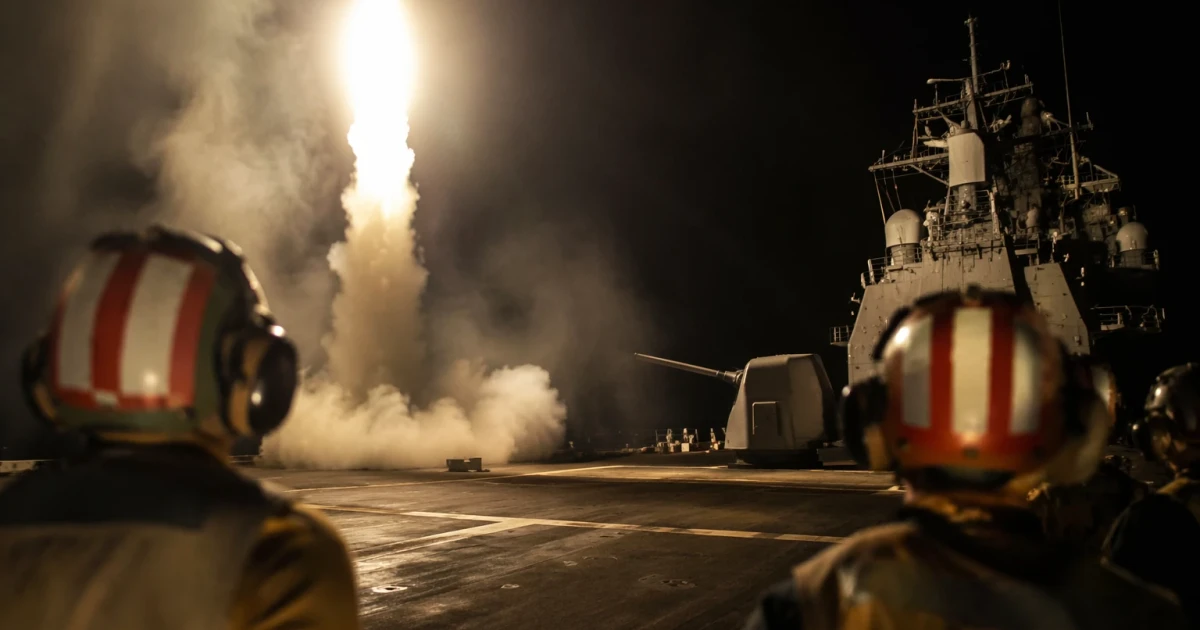
U.S. forces launched strikes against Iran on Tuesday after attacks on three commercial vessels in the Strait of Hormuz, widening a confrontation that CENTCOM said was aimed at imposing heavy costs on assaults on merchant shipping. CENTCOM said the earlier June 26 strike hit Iranian missile and drone storage locations and coastal radar sites after Iran struck the Singapore-flagged M/V Ever Lovely with a one-way attack drone as the ship was exiting the strait along the Omani coast.
The military significance is straightforward: Washington is no longer responding only to damage at sea, but to the infrastructure that supports it. CENTCOM said Iran’s actions violated the ceasefire and undermined freedom of navigation in a vital international trade corridor, putting U.S. aircraft against the radar, storage and launch systems that help police the waterway and threaten follow-on traffic.
The diplomatic fallout was unfolding in Ankara at NATO’s July 7-8 summit, where the agenda included the Defence Industry Forum, a meeting with the President of Ukraine and working dinners with ministers and heads of government. Foreign ministers from Bahrain, Kuwait, Qatar and the United Arab Emirates were invited, and France and Britain were set to outline a multinational maritime mission for the Strait of Hormuz during NATO-Gulf Arab talks.
That corridor matters because it carries one of the world’s largest energy flows. The Strait of Hormuz links the Persian Gulf with the Gulf of Oman and the Arabian Sea, and EIA says oil flow through it averaged 20 million barrels per day in 2024, about 20% of global petroleum liquids consumption. At its narrowest point, the strait is 21 miles wide, with shipping lanes just two miles across in each direction, leaving little room for error if Iranian attacks or U.S. retaliation deepen the risk to tankers, freight rates and oil prices.
Sources
- [1]cbsnews.com
- [2]centcom.mil
- [3]nato.int
- [4]usnews.com
- [5]cnbc.com
- [6]reuters.com