World
U.S. strikes Iran after drone attack on ship in Strait of Hormuz
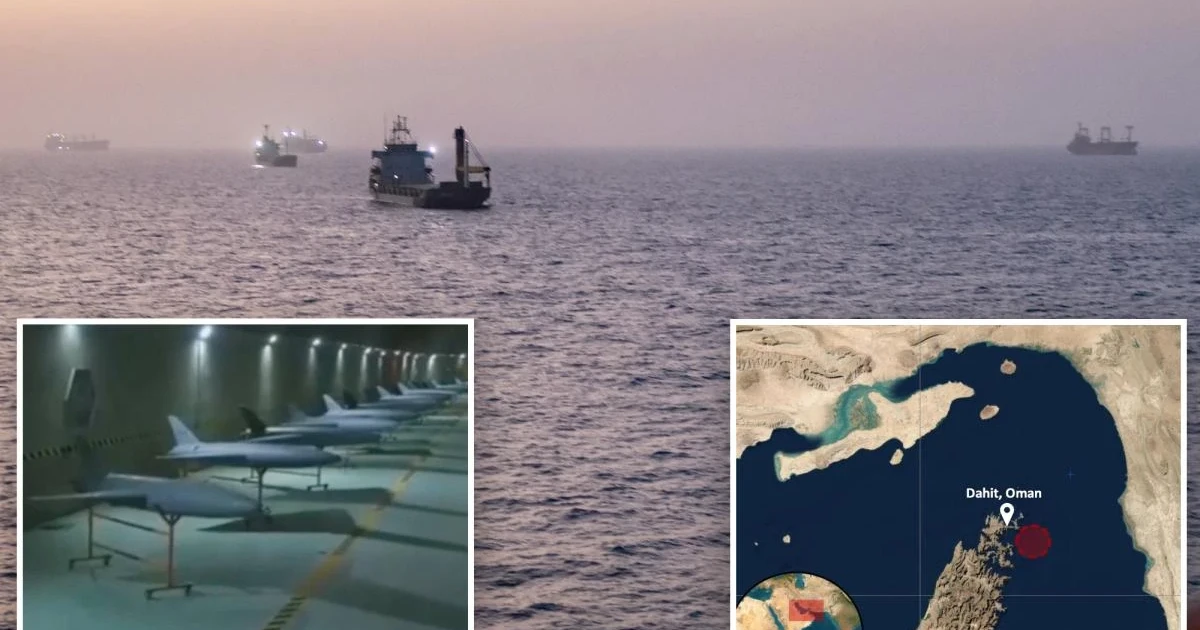
U.S. Central Command said American aircraft struck Iranian missile and drone storage locations and coastal radar sites after Iran’s Revolutionary Guards hit a Singapore-flagged cargo ship in the Strait of Hormuz. The exchange turned a narrow shipping dispute into a direct military test of a fragile understanding between Washington and Tehran.
The drone attack targeted the Ever Lovely on Thursday in the Strait of Hormuz off Oman, damaging the bridge but causing no reported casualties or environmental damage. The International Maritime Organization then paused its evacuation plan for vessels and mariners trapped in the region, saying safety guarantees had to be confirmed before the operation could resume.
The strikes landed only about a week after the United States and Iran signed a memorandum of understanding aimed at reopening the waterway and keeping shipping moving for 60 days. Traffic through the strait had already begun recovering fast, with Kpler data cited by CBS showing 70 vessels transiting on Tuesday, up from just six a week earlier. That rebound mattered because the strait normally carries about one-fifth of the world’s oil, making even a short disruption a market risk as well as a military one.
Vice President JD Vance framed the response in hard deterrent terms, saying, “Iran signed a ceasefire agreement. We have honored it,” and warning that if Iran objected to how the agreement was being applied, it should “pick up the phone,” but that “violence will be met with violence.” President Donald Trump said the drone attack violated the ceasefire and, when asked whether the United States would respond, told reporters, “You’ll find out.” Vance had traveled to Switzerland last weekend for talks with Iranian counterparts, underscoring how quickly the diplomatic channel collided with the strike order.
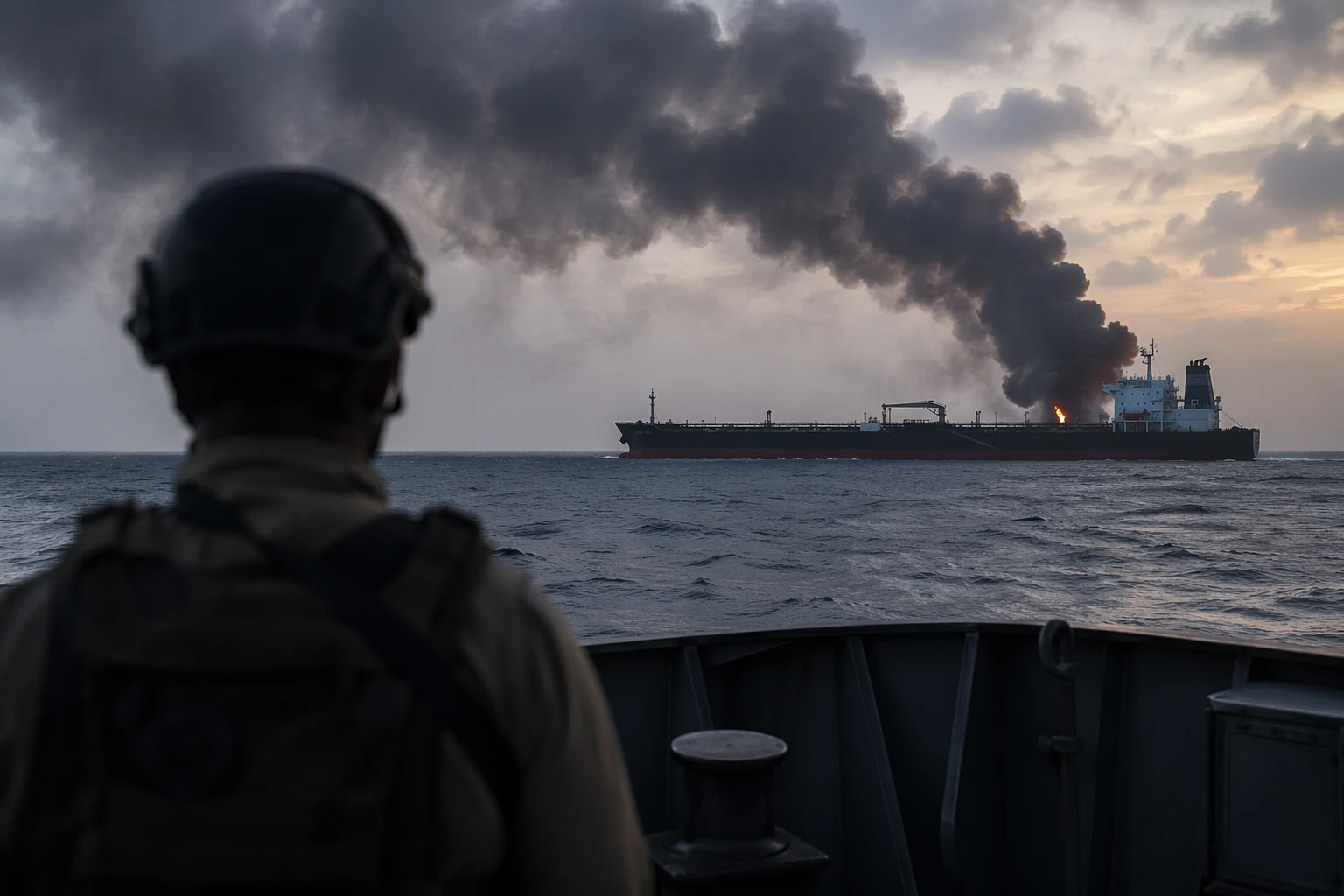
The rhetoric now carries its own policy weight. The Pentagon’s stated objective in striking missile and drone sites, along with coastal radar, was tightly limited to degrading the machinery behind future attacks. Vance’s language, by contrast, signaled a broader political promise of retaliation that could help deter Iran, but also risks boxing U.S. leaders into another round of escalation if the corridor is hit again.
Tehran answered by stressing sovereignty over the waterway. Iranian lawmaker Ebrahim Azizi, who heads parliament’s national security commission, said the Strait of Hormuz is governed by Iran and described the attack as “ceasefire management.” For shippers, insurers and oil traders, the message was blunt: the corridor remained open, but only barely, and every new strike could close it again.
Sources
- [1]cbsnews.com
- [2]cnbc.com
- [3]pbs.org
- [4]usatoday.com