World
U.S. strikes Iran again after tanker attack, truce strained
U.S. forces struck Iranian targets again after a commercial tanker was hit in the Strait of Hormuz, a move that pushed the already fragile truce with Tehran into fresh danger. The latest exchange raised the stakes around one of the world’s most important shipping lanes, where a single attack can ripple through oil markets and regional security.
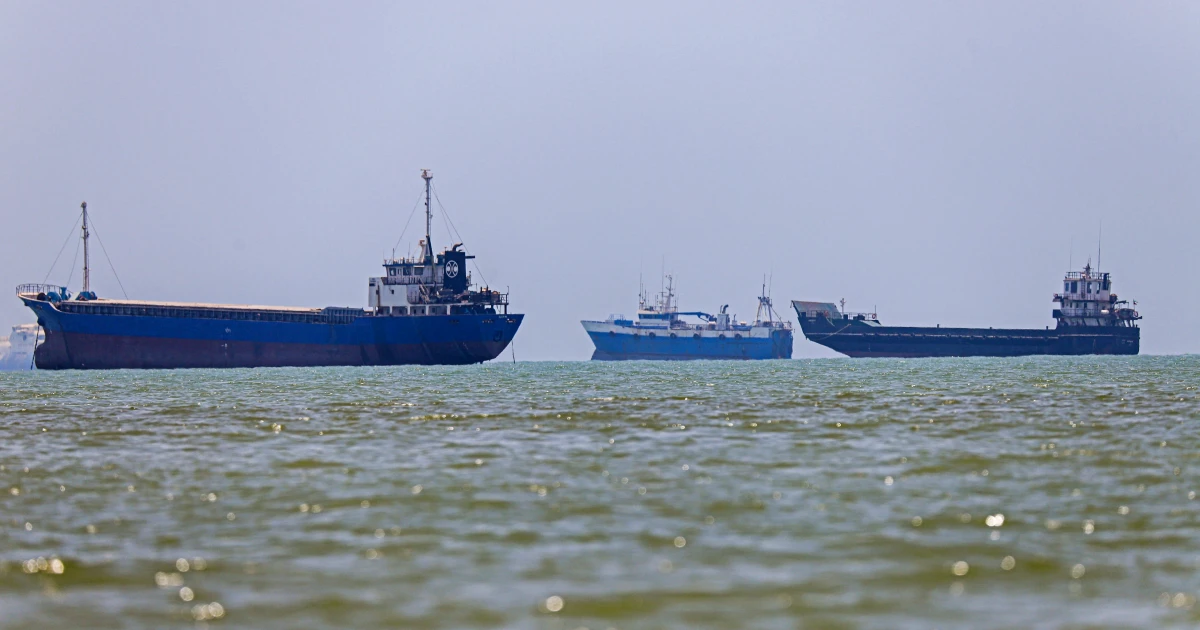
U.S. Central Command said Iran used a one-way attack drone against the Singapore-flagged cargo ship M/V Ever Lovely as it transited the Strait of Hormuz, with reporting placing the vessel along the Omani coast when it was struck. In response, U.S. forces carried out more airstrikes on Iran on June 27, saying the action was retaliation for the tanker attack.
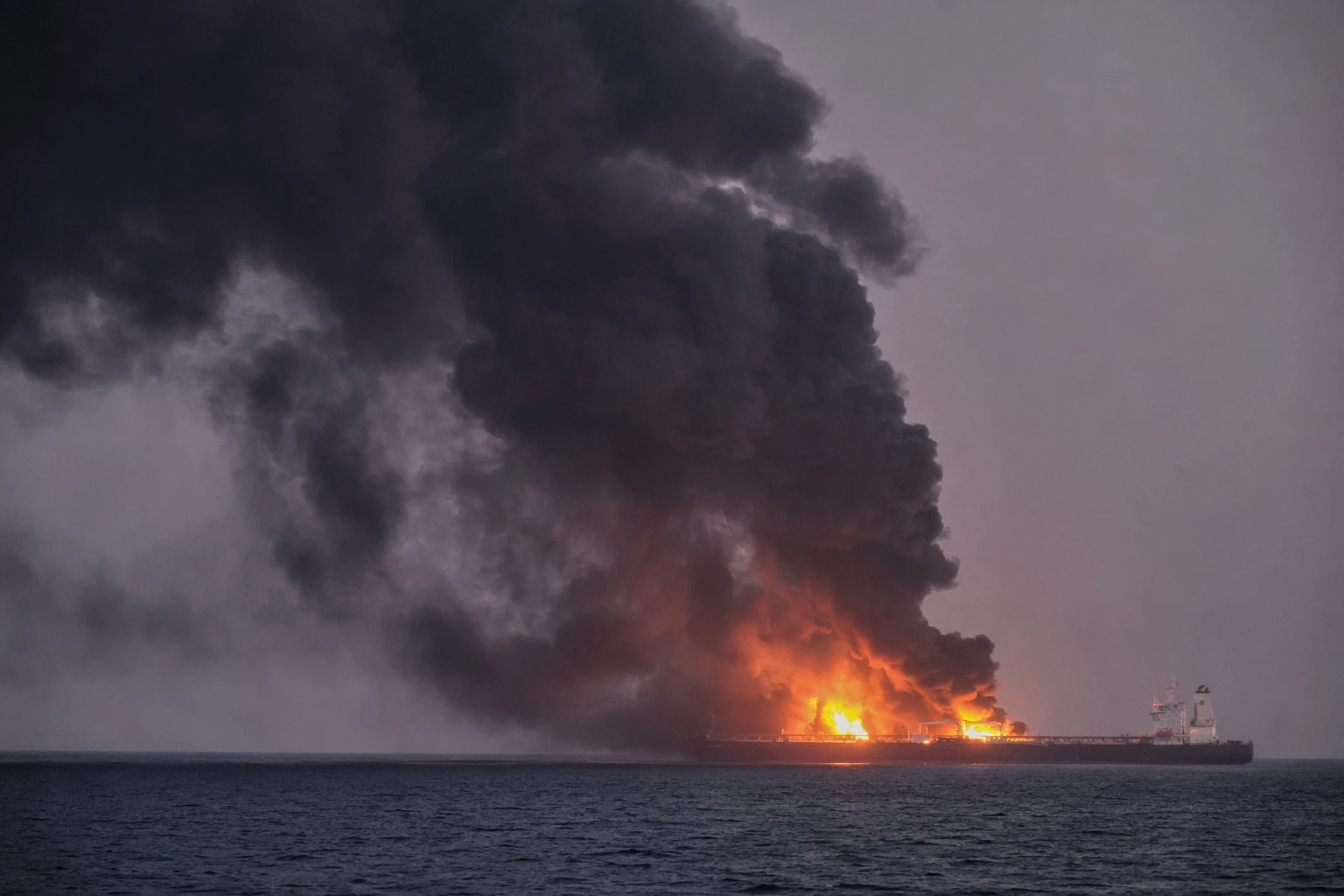
Reuters-based reporting said the U.S. strikes hit missile and drone storage locations and coastal radar sites. Iran rejected that account, saying the attacks targeted monitoring and surveillance facilities on its southern coast and violated an interim deal meant to end the four-month-old war. The Iranian Foreign Ministry said Washington showed it did not value its commitments and accused it of “breaking promises,” while the ministry added that breaking promises was part of its nature.
The violence landed on top of a ceasefire that took effect on April 8, 2026, but had already been under strain for weeks. Earlier this month, U.S. and Iranian forces traded fire again, underscoring how quickly each side has been willing to test the limits of the agreement. Iran’s military later said it had attacked American targets in Bahrain and Kuwait, extending the confrontation beyond the Strait and toward U.S. partners across the Gulf.
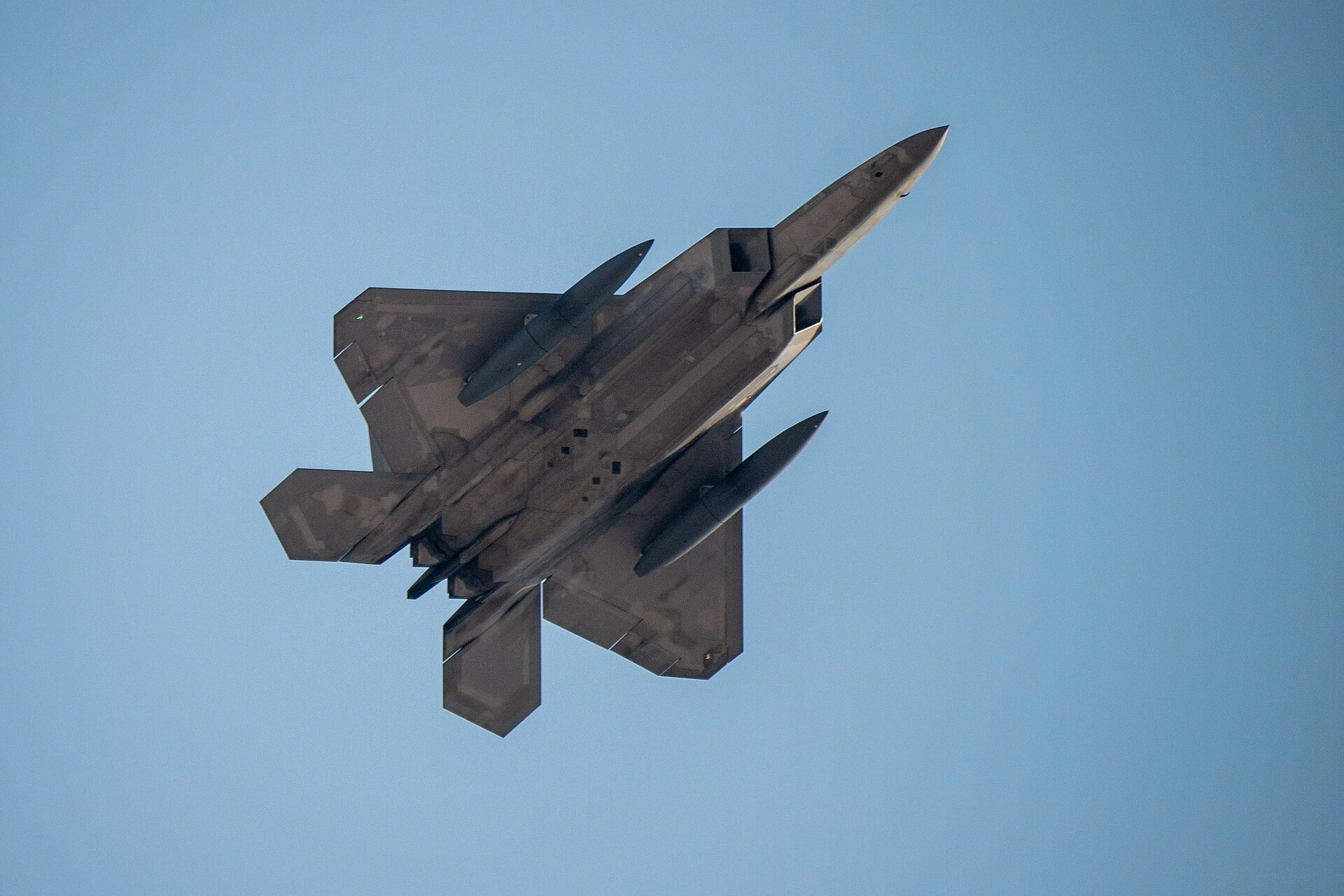
Donald Trump has sharpened his public warnings as the truce frayed, threatening to “complete the job” in Iran and warning of severe consequences if Tehran violated the agreement further. That rhetoric, combined with repeated strikes on ships and coastal military infrastructure, leaves little room for miscalculation. With commercial traffic moving through the Strait of Hormuz and regional allies in Bahrain and Kuwait already in the crosshairs, the conflict is edging closer to a broader regional crisis that could hit energy flows as easily as military targets.
Sources
- [1]news.google.com
- [2]nytimes.com
- [3]timesofisrael.com
- [4]cnbc.com
- [5]reuters.com
- [6]nbcnews.com