World
U.S. strikes Iran again as fragile ceasefire teeters
U.S. airstrikes hit Iran again on Wednesday, deepening a ceasefire crisis already strained by days of exchange fire and failed diplomacy. President Donald Trump said Tehran had taken too long to negotiate and would now "have to pay the price," while Defense Secretary Pete Hegseth cast the attacks as pressure to force talks, saying, "If we need to negotiate with bombs, we'll negotiate with bombs."
U.S. Central Command described the operation as "additional self-defense strikes," a legal framing that stood in sharp tension with the White House's hard-line rhetoric. The targets included surveillance systems, air-defense sites, communications networks and drone command-and-control sites near the Strait of Hormuz, according to reports on the attack. It was the second straight day of U.S. airstrikes in Iran, widening a military campaign that now sits beside stalled negotiations over Iran's nuclear and ballistic-missile program.
The latest escalation followed the loss of a U.S. Army Apache helicopter near the Strait of Hormuz on June 9, 2026. The crew was rescued, and the cause was not publicly attributed to hostile fire. Iran's Revolutionary Guards later said they retaliated with missile and drone attacks on U.S. bases in Jordan, Kuwait and Bahrain, turning the confrontation into a broader regional test of U.S. force posture.
Trump said on social media that Iran's military was "a complete and total mess" and that much of it "doesn't even exist anymore." The administration's public line, taken together with Hegseth's warning that U.S. forces would bomb "key facilities," suggests an attempt to use punishment as bargaining leverage. The question is whether that leverage can survive a cycle of strikes and reprisals that keeps closing the space for any ceasefire to hold.
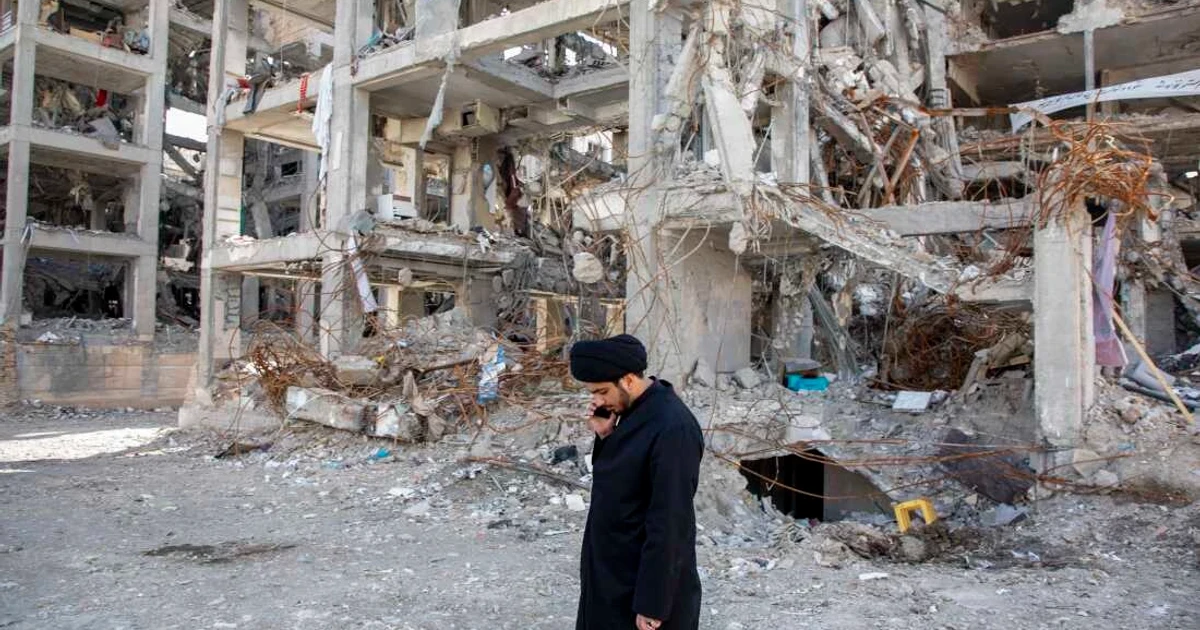
The Strait of Hormuz gives the conflict immediate global significance. As a major oil chokepoint, it is central to shipping security and to the broader regional balance around U.S. bases, Iranian missile range and fragile diplomatic channels. Iranian state media said the American strikes damaged areas in the south and affected water supply for thousands, underscoring how quickly a campaign of coercion can spill into civilian disruption.
Sources
- [1]cbsnews.com
- [2]usnews.com
- [3]politico.com
- [4]bloomberg.com
- [5]reuters.com