World
US strikes Iran as Tehran closes Strait of Hormuz to shipping
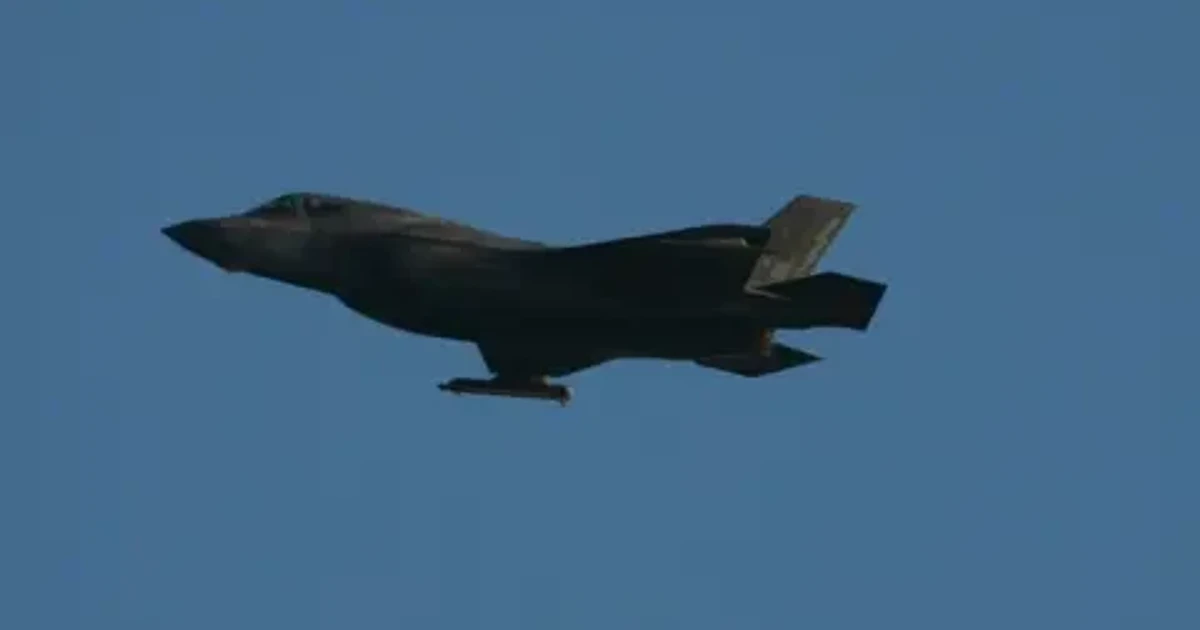
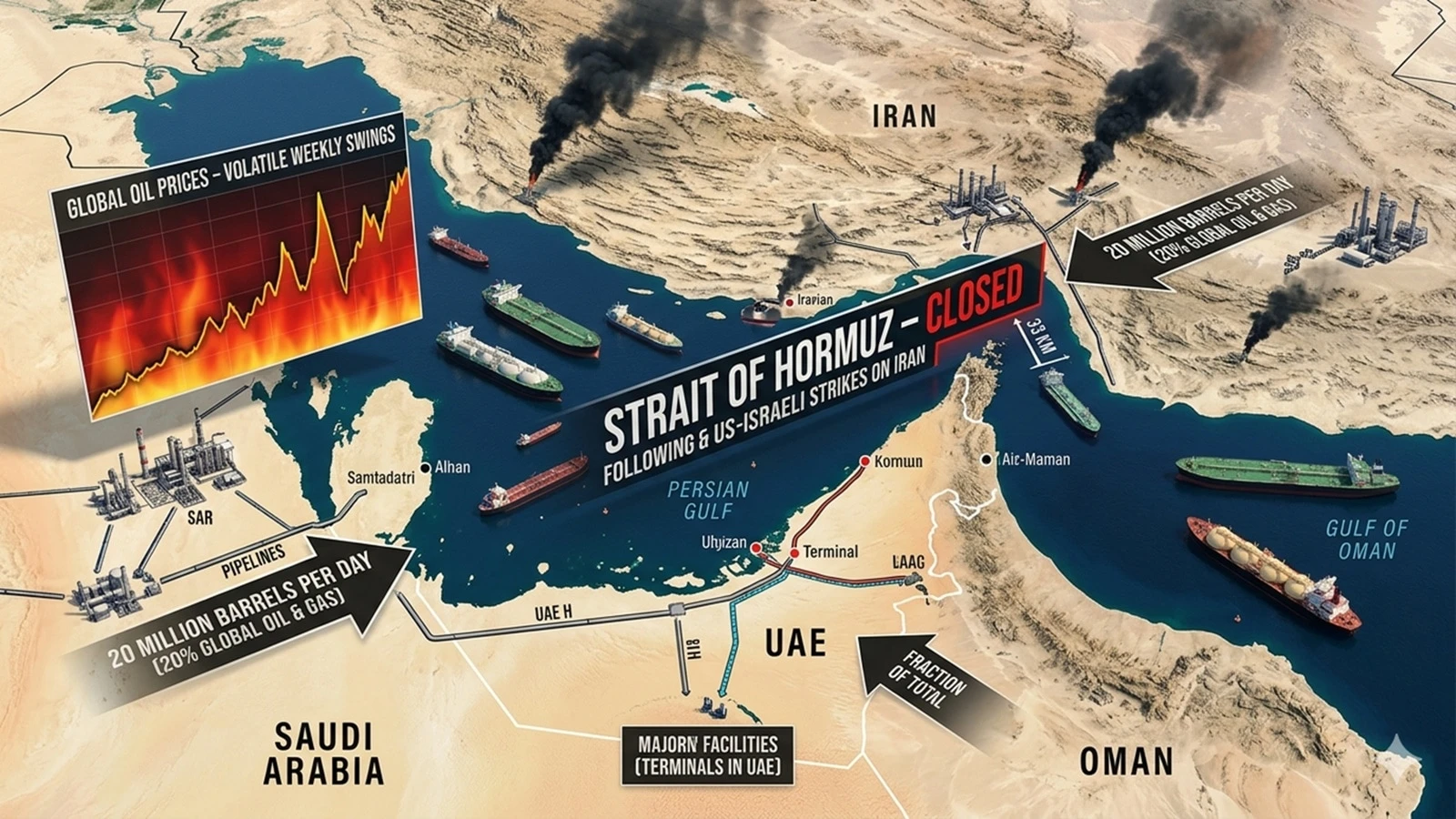
The conflict between Washington and Tehran surged into one of the world’s most dangerous choke points as the U.S. launched fresh strikes against multiple targets in Iran and Iran said it had closed the Strait of Hormuz to all marine traffic. With oil tankers and commercial ships now warned away from the waterway, the risk is no longer limited to battlefield exchanges: any hit to the strait threatens global energy flows, shipping insurance costs and the prospect of a wider U.S.-Iran confrontation.
U.S. Central Command said the latest airstrikes came in response to Iran’s “unwarranted and continued aggression.” Reuters reported that the U.S. military carried out the new attacks on June 10, 2026, after President Donald Trump said the United States would attack Iran “very hard” if no peace deal was secured and that U.S. forces were protecting oil and commercial shipping through Hormuz. Iranian military commanders then escalated further, saying the strait was closed to marine traffic and that any vessel attempting passage would be shot at.
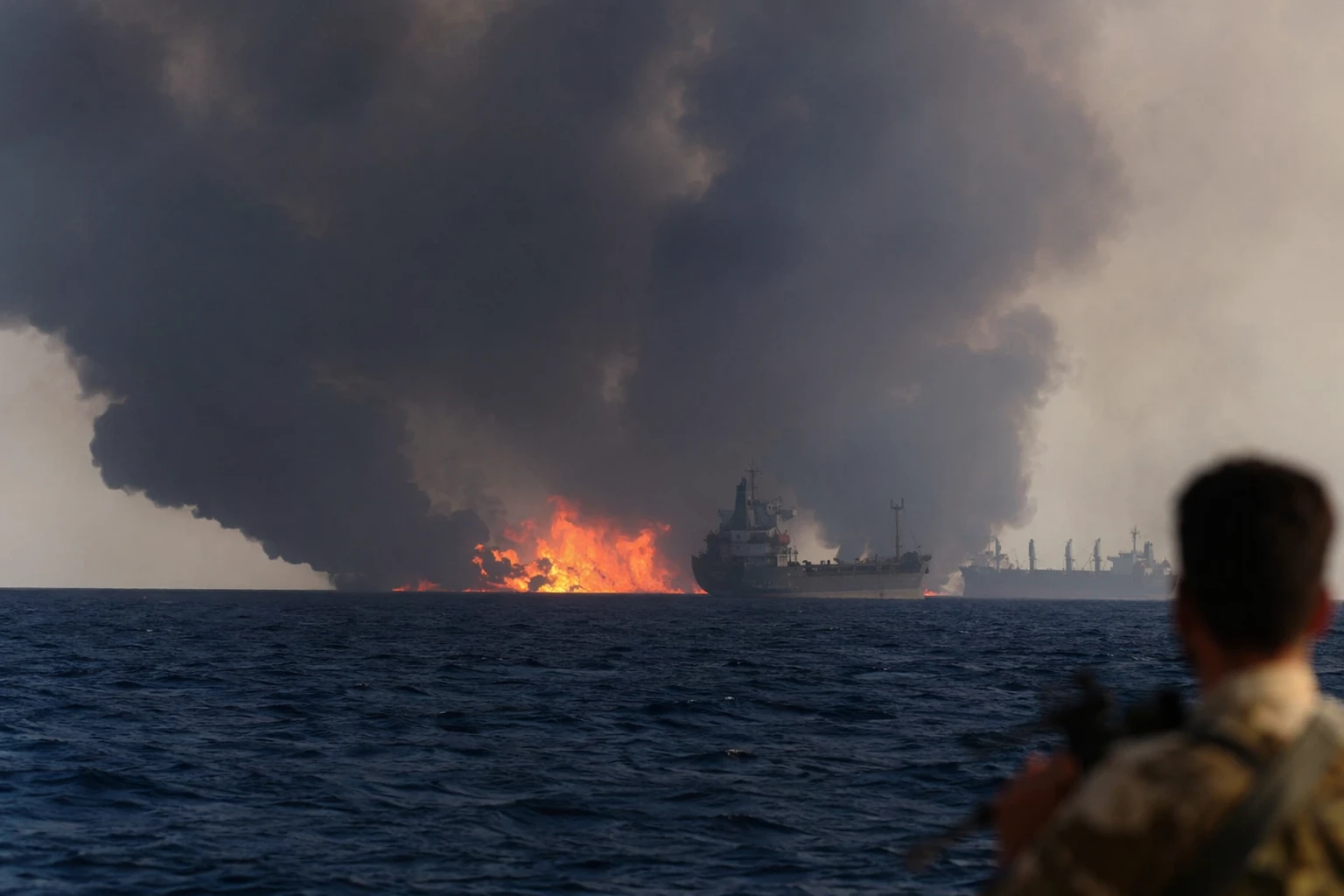
Explosions were reported in Bandar Abbas, Minab and Qeshm Island, all near the strait, underscoring how closely the fighting has moved to the world’s most sensitive energy route. NBC News reported that the Strait of Hormuz carried about 20% of the world’s oil before the war, a share that makes even a short closure a potential shock to crude markets and regional trade. France 24 reported that Iran’s top joint military command announced the closure and said any vessel trying to pass would be targeted.
The latest round of attacks followed a pattern of direct exchanges around Hormuz that had already included Iranian attacks on U.S. ships and U.S. strikes on Iranian coastal radar sites and ports. U.S. reporting has also described American forces helping some commercial ships transit the strait through coordination and a Navy-established route, a sign that Washington was trying to keep the lane open even as the confrontation widened.
The danger now is escalation by accident or design. CNBC reported that Bahrain and Kuwait activated air defenses after Iranian missile and drone attacks, showing how quickly the clash had begun to pull in neighboring states. If Iranian threats against tankers become sustained and U.S. retaliation deepens, the fight over Hormuz could move from a regional exchange to a broader military crisis with immediate consequences for global oil markets.
Sources
- [1]bbc.com
- [2]nbcnews.com
- [3]france24.com
- [4]cnbc.com
- [5]cbsnews.com
- [6]stripes.com
- [7]reuters.com