US News
U.S. Strikes Iran Tankers Amid Tense Peace Negotiations
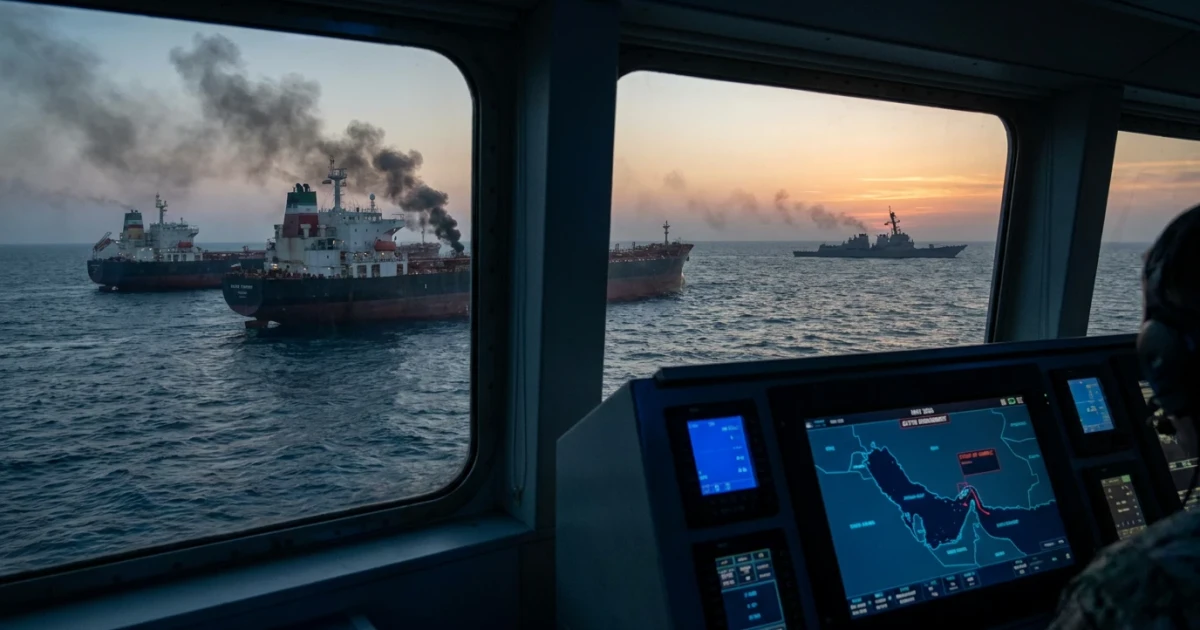
Escalating tensions between the United States and Iran reached a critical point late Wednesday as U.S. forces fired on two Iran-flagged tankers in the Strait of Hormuz, according to live updates from CBS News. The incident comes as U.S. officials, including Senator Marco Rubio, anticipate Tehran’s response to a proposed peace deal aimed at de-escalating maritime clashes and broader hostilities in the Gulf region.
Incident Details: Tanker Clash in the Strait of Hormuz
The Strait of Hormuz, a strategic waterway vital for global oil shipments, has frequently been the site of confrontations involving Iran and Western forces. The latest episode saw U.S. military personnel engage two Iran-flagged tankers, reportedly in response to perceived threats or violations in the heavily policed maritime corridor. While CBS News provided live updates on the event, official details regarding the extent of damage or casualties remain scarce as of late Wednesday.
- The tankers were flying the Iranian flag, a signal of their national registry and subject to ongoing UN Security Council sanctions restricting Iranian oil exports.
- Incidents in the Strait of Hormuz have historically disrupted oil shipping and heightened geopolitical risk, as highlighted in Council on Foreign Relations backgrounders.
- Live maritime tracking data from MarineTraffic shows frequent movements of Iran-flagged vessels in the region, often under close surveillance.
Awaiting Tehran’s Response to Peace Proposal
Amidst the unfolding clash, U.S. officials remain focused on diplomatic outreach. Senator Rubio told CBS News that Washington expects a formal response from Tehran regarding the latest peace deal offered to resolve ongoing maritime and military tensions. The proposed agreement reportedly includes measures to limit provocative maneuvers in the Strait, enhance maritime security protocols, and address broader concerns about regional stability.
While the details of the peace proposal have not been publicly disclosed, analysts note that previous negotiations have stalled over issues such as sanctions relief, oil export controls, and U.S. military presence in the Gulf. According to the UN Security Council sanctions materials, Iran faces strict controls on its oil trade, which have fueled economic pressures and contributed to recurring confrontations.
Historical Context: Maritime Clashes and Diplomatic Challenges
Maritime incidents in the Strait of Hormuz have been a flashpoint in Iran-U.S. relations for decades. Previous clashes have led to temporary disruptions in global oil markets and triggered rounds of international diplomacy. The U.S. maintains a significant naval presence in the region, partly to safeguard commercial shipping and respond to threats posed by Iranian forces.
- According to U.S. Energy Information Administration data, the Strait handles a substantial portion of the world’s crude oil exports, making stability crucial for energy markets.
- International Maritime Organization maritime security guidance underscores the importance of coordinated responses to incidents in the area.
Implications for Regional Security and Oil Markets
The immediate impact of Wednesday’s clash is likely to reverberate across the region and global energy markets. Any escalation could threaten commercial shipping lanes and disrupt oil transport, with ripple effects for international prices. The U.S. and Iran’s next moves—military or diplomatic—will be closely watched by governments and industry alike.
As the world awaits Tehran’s formal response to the peace deal, the incident highlights the fragile balance between deterrence and dialogue in one of the world’s most sensitive maritime zones. The outcome may determine not only the fate of ongoing negotiations but also the stability of global energy supplies in the coming weeks.
For ongoing coverage and live updates on the U.S.-Iran tanker clash, readers can follow the developing story on CBS News.